[ad_1]
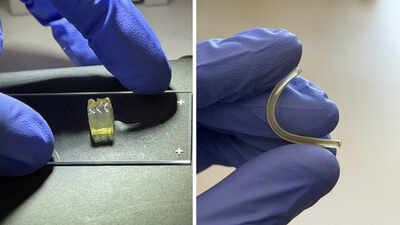
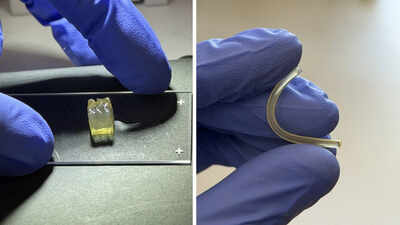
The biological landscape is no longer just limited to the earthly realms, it has travelled far and wide into space. In a one-of-a-kind biological manufacturing operation, researchers managed to cultivate organs in space using technologies that are now being tested for scalability.
Mission for biomanufacturing
The mission was conducted in June 2026 and concluded with the safe return of materials to Earth via a SpaceX Dragon capsule on June 17. It marked the first time liver and kidney tissues were produced in a microgravity environment. Previously, other bioprinting experiments have also been conducted aboard the ISS. For example, in 2018, Russian cosmonaut Oleg Kononenko tested a machine called the “Bioprinter Organ. Aut,” which successfully assembled cartilage cells using a magnetic field.But unlike previous efforts conducted on the ISS, this year’s operation was aimed at diverse production. In addition to kidney and liver tissues, which are considered the highlight of the achievement, the team managed to process other crucial biological materials.The complete list of manufactured items included:
- Liver tissues for functional studies.
- Renal tissues (kidney) were produced for the first time in orbit.
- Cartilage samples for orthopaedic purposes.
- 28 specific implants intended for the repair of damaged nerves.
A successful collaboration
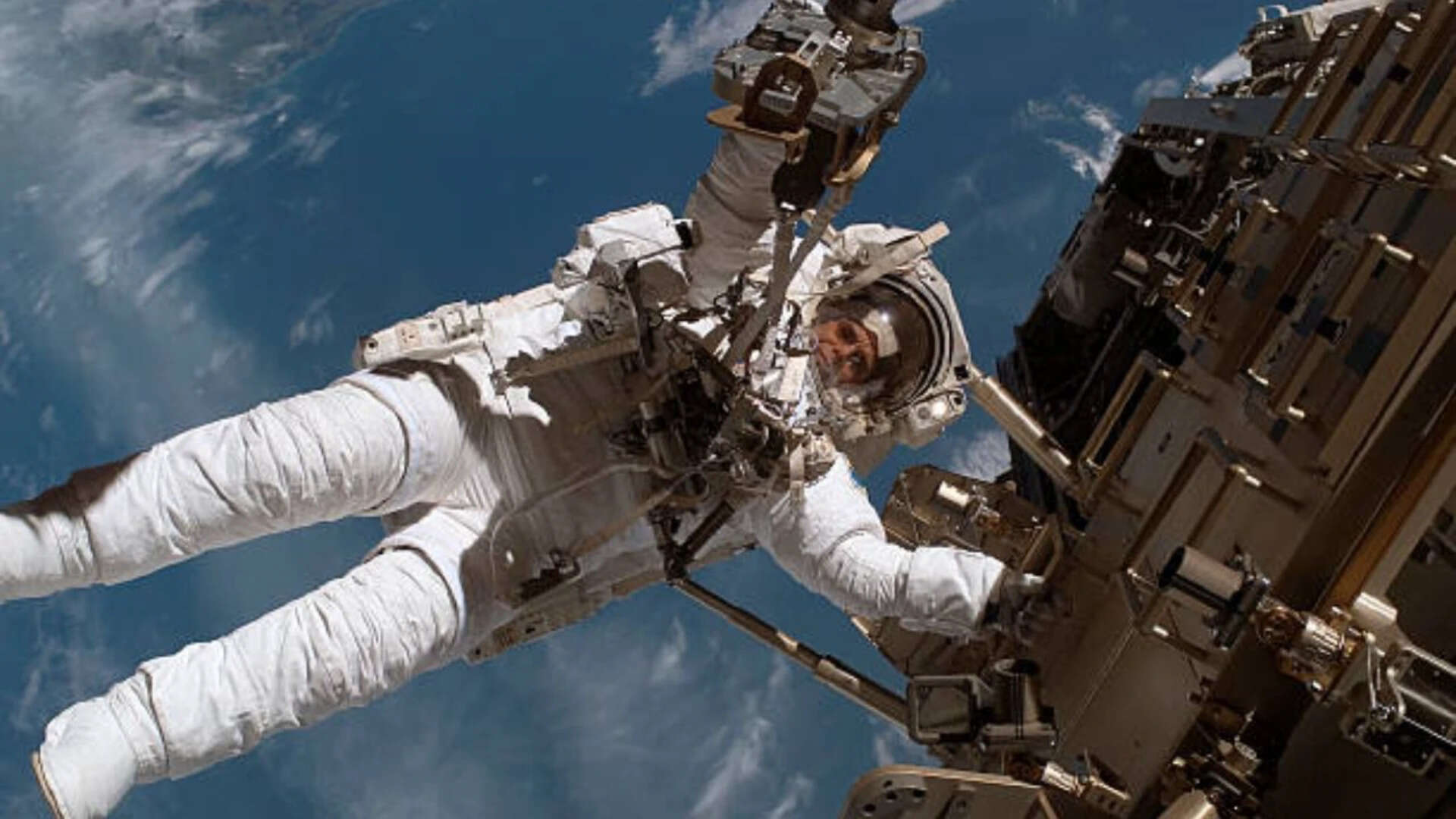
It marked the first time liver and kidney tissues were produced in a microgravity environment. Image credits: Getty Images
The operation that took place aboard the International Space Station (ISS) was made possible due to a strategic partnership between Auxilium Biotechnologies and the Wake Forest Institute for Regenerative Medicine. While Auxilium provided the AMP-1 bioprinter, the institute was responsible for the detailed cellular designs.According to Isac Lazarovits, Vice President of Engineering at Auxilium, the mission was not just an isolated test, with the aim of conducting regular operations, but a demonstration that current technology already allows for the merging of technological innovation with efficient scientific collaboration. “The ability to produce different types of tissues alongside clinically relevant medical products demonstrates both the versatility and scalability of our technology,” he said in a statement.
Microgravity for the future
Antony Atala, director of the Wake Forest Institute for Regenerative Medicine emphasised that the space environment offers benefits that the Earth’s surface cannot mimic. Organ cultivation in space benefits from the uniform distribution of cells, which occurs more fluidly in the absence of weight. If certain types of cells cluster in the wrong places or are unevenly distributed, the tissue may not function properly.In organs, cells are organised in very specific locations. But Earth-bound scientists have yet to find a method that gives researchers complete control over where the cells are located, said Auxilium co-founder Jacob Koffler. In microgravity, that becomes possible, he addedThis phenomenon according to the expert, considerably expands the prospects for large-scale production of complex medical devices that can in the future, reduce dependence on traditional manufacturing methods. The printed structures are not functioning organs. Before scientists attempt to create entire replacement organs through bioprinting, Koffler expects the field will focus on smaller tissue patches that could help repair damaged organs, such as the liver.Now, organ cultivation in space is no longer just a laboratory curiosity but a viable reality and alternative in biological manufacturing. The company plans to advance even further, aiming to meet real clinical needs through the development of organic structures outside the planet. Auxilium says this flexibility will be important as commercial interests expand manufacturing hubs in space for biotech, healthcare and advanced materials development.“It’s going to take some years until we get to the clinic,” he said. “But it’s important to start building that framework now.”
[ad_2]
Source link