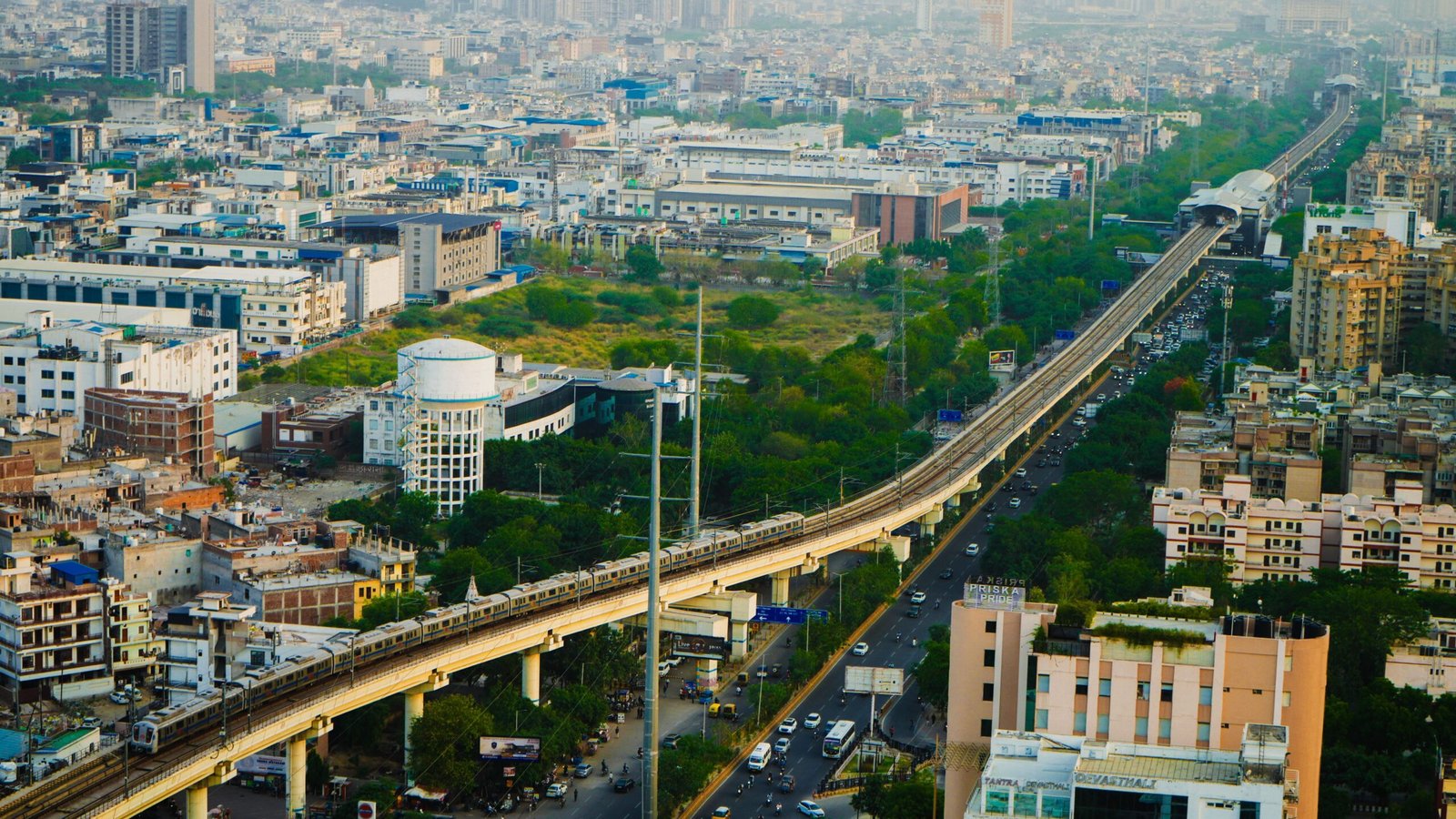
India is poised to surpass the United States in terms of its metro rail network within the next two years, according to statements made by a Union Minister. This ambitious growth comes in the wake of significant infrastructural developments initiated under Prime Minister Narendra Modi since he took office in 2014.
Rapid Growth of Metro Services
When Prime Minister Modi began his tenure, the metro rail services in India were limited to a mere 245 kilometers of track spread over five cities. This has drastically changed as the current network has expanded to an impressive 1,170 kilometers, encompassing 26 cities across the nation. This massive increase highlights the government’s commitment to enhancing urban mobility and reducing congestion in metropolitan areas.
The expansion of the metro rail system is a critical component of India’s broader transportation strategy, which aims to modernize public transport and provide efficient alternatives to road travel. The Union Minister emphasized that the rapid development of this network not only reflects the government’s infrastructure ambitions but also demonstrates a shift towards sustainable urban transport solutions.
Implications for Urban Mobility
The growth of the metro rail network is expected to have profound implications for urban mobility in India. With cities facing increasing population densities and traffic congestion, expanding the metro system offers a viable solution to these challenges. The investment in metro rail infrastructure is likely to ease the burden on road networks, decrease travel times, and enhance the overall quality of life for urban residents.
Moreover, the accessibility of metro services can contribute to reducing pollution levels in cities, aligning with environmental goals. The Union Minister’s remarks indicate optimism about not only meeting transportation needs but also addressing environmental concerns through efficient public transport systems.
Looking Ahead
As India continues to expand its metro rail network, it is set to become a significant player in global urban transport, potentially overtaking the United States in the scale of its metro systems. This development may inspire other nations to invest in similar infrastructure to combat urban challenges.
Looking forward, the next steps will involve continued investment and strategic planning to ensure the metro projects meet the demands of growing urban populations. The government’s proactive approach suggests a commitment to not only maintaining but accelerating the pace of this development. The future of public transport in India seems poised for transformative changes, promising faster, more efficient, and environmentally friendly travel options for millions.