The Human Rights Commission has taken a significant step by requesting a detailed report concerning allegations of custodial torture in Punjab. This request follows a formal complaint lodged by Rajya Sabha Member of Parliament, Tarun Chugh.
Incident Overview
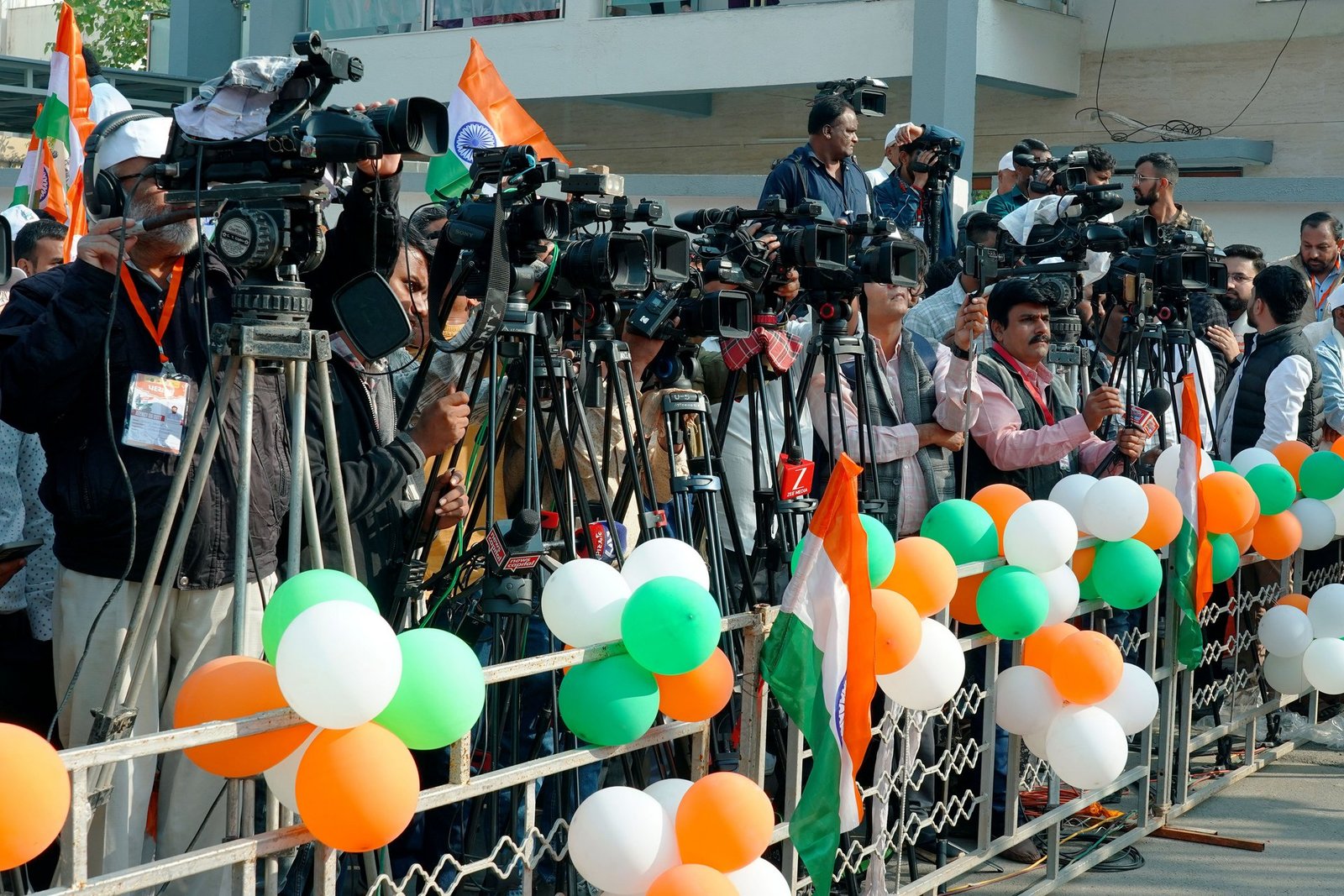
The case in question pertains to an individual who was reportedly detained during a protest against rampant drug abuse in the state. The protest occurred in the context of Chief Minister Bhagwant Mann’s “Lok Milni” initiative, which took place in Sheron village, located in the Sunam region of Punjab.
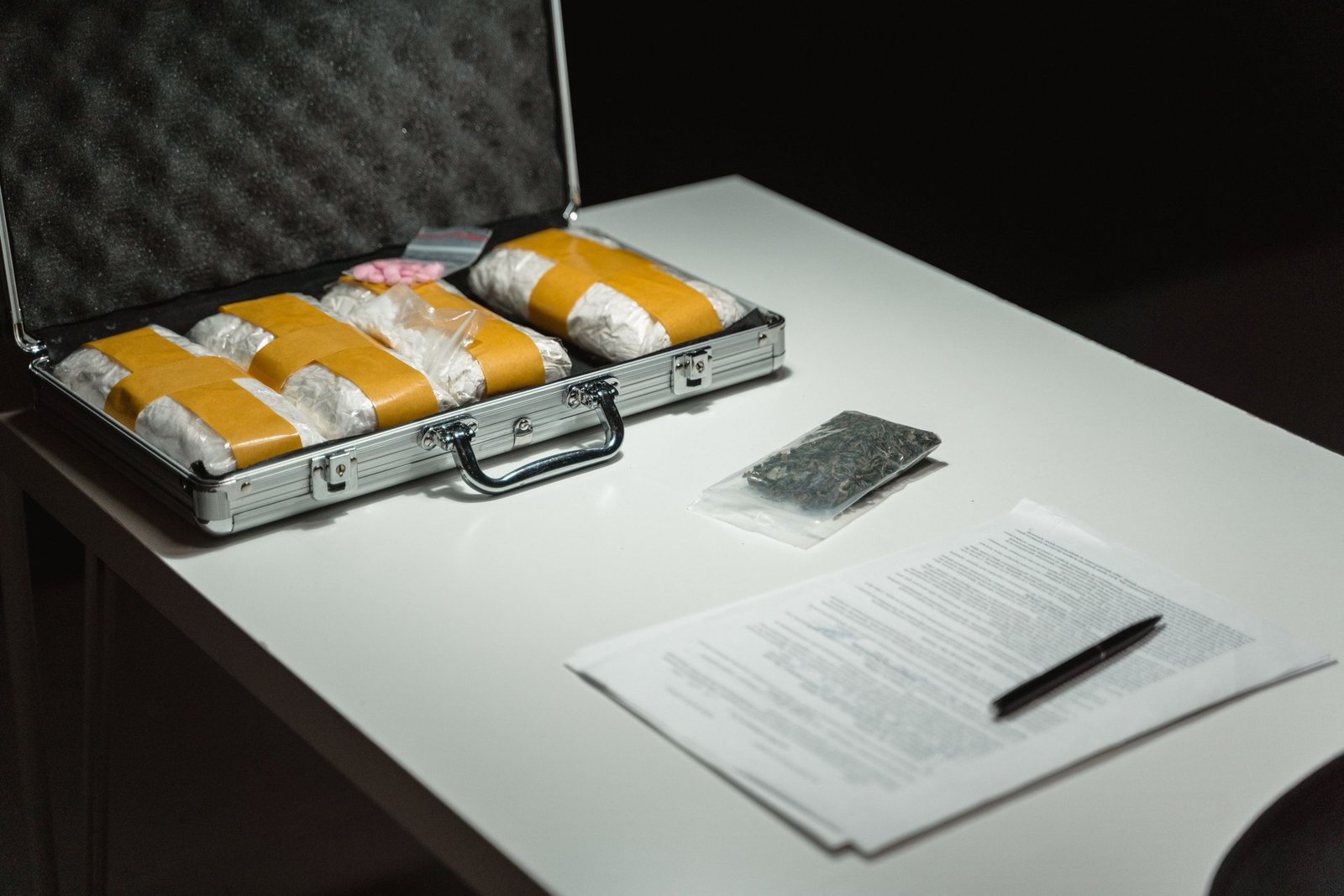
During this event, the protester sought to draw attention to the growing concern over drug addiction, a pressing issue affecting many communities across Punjab. This incident has sparked broader discussions on the treatment of individuals in custody and the methods employed by law enforcement during public protests.
The Role of the Human Rights Commission
The Human Rights Commission’s involvement underscores the seriousness of the allegations made. By calling for an investigation, the commission aims to ensure that proper protocols are followed in handling detainees and that their rights are protected under the law. Such scrutiny is vital in maintaining the public’s trust in governmental institutions and law enforcement agencies.
This situation highlights the ongoing challenges faced by authorities in Punjab regarding drug-related issues and public dissent. The commission’s inquiry will not only shed light on this particular case but may also have implications for how similar incidents are managed in the future.
Next Steps and Implications
As the investigation unfolds, it will be critical to monitor the responses from both the state government and law enforcement. The outcome of this inquiry could set a precedent for how protests are handled in Punjab, particularly those addressing sensitive social issues like drug abuse.
Additionally, the findings from this investigation may lead to recommendations for reforms aimed at ensuring that protests can occur without fear of excessive force or punitive measures against participants. This could foster an environment where citizens feel safe to express their grievances without fear of retribution.
The situation remains dynamic, with advocacy groups and the public closely watching the developments. The actions taken by the Human Rights Commission will be pivotal in shaping the discourse around human rights and policing practices in Punjab.