Odesa, a predominantly Russian-speaking city in Ukraine, is currently debating a contentious plan that could see the Russian language banned in the arts. This proposal comes at a time when national laws already impose certain restrictions on the use of Russian across the country.
Significance of the Proposal
The proposal under consideration by Odesa’s city councillors is significant due to the city’s Russian-speaking majority. The ban would apply to public spaces, specifically targeting Russian-language content in music, literature, and state-run entertainment venues. However, it would not affect the everyday use of Russian among residents.
In a city renowned for its Russian-language cultural heritage, the plan has sparked intense debate. The ban would extend to well-known Russian songs and literature, removing them from public libraries and public performances.
Perspectives and Reactions
Artem Kartashov, an Odesa lawyer involved in efforts to “decolonise” the city from its Russian influence, argues that the Russian language serves as a tool for Russia to undermine Ukrainian identity. Conversely, Borys Barsky, a popular comic actor, contends that Russian is not solely the language of political figures like Putin, but also of celebrated writers like Dostoyevsky and Bulgakov. He questions the wisdom of alienating Russian speakers who are equally patriotic Ukrainians.
Anna Nerush, the city’s language ombudswoman, believes that while the proposal does not mandate compliance for private businesses, it could nonetheless pressure them to align with the council’s decision. The public performance of Russian-language songs by Russian citizens is already prohibited, with exceptions for artists who oppose the war.
Historical Context and Cultural Shifts
Odesa has a rich history intertwined with Russian culture, yet recent years have seen efforts to emphasize its Ukrainian heritage. Statues and street names reflecting Russian influence have been replaced with Ukrainian counterparts. Photographer Natalia Mykhailenko highlights these aspects during her tours of the city, underscoring the importance of acknowledging Ukraine’s colonial past.
Many Ukrainians, especially since Russia’s invasion in 2022, have shifted from Russian to Ukrainian in their daily lives. However, anthropologist Anastasia Piliavsky warns that such language policies risk making Russian speakers feel marginalized, challenging the very freedoms the country is fighting to protect.
Public Opinion and Future Outlook
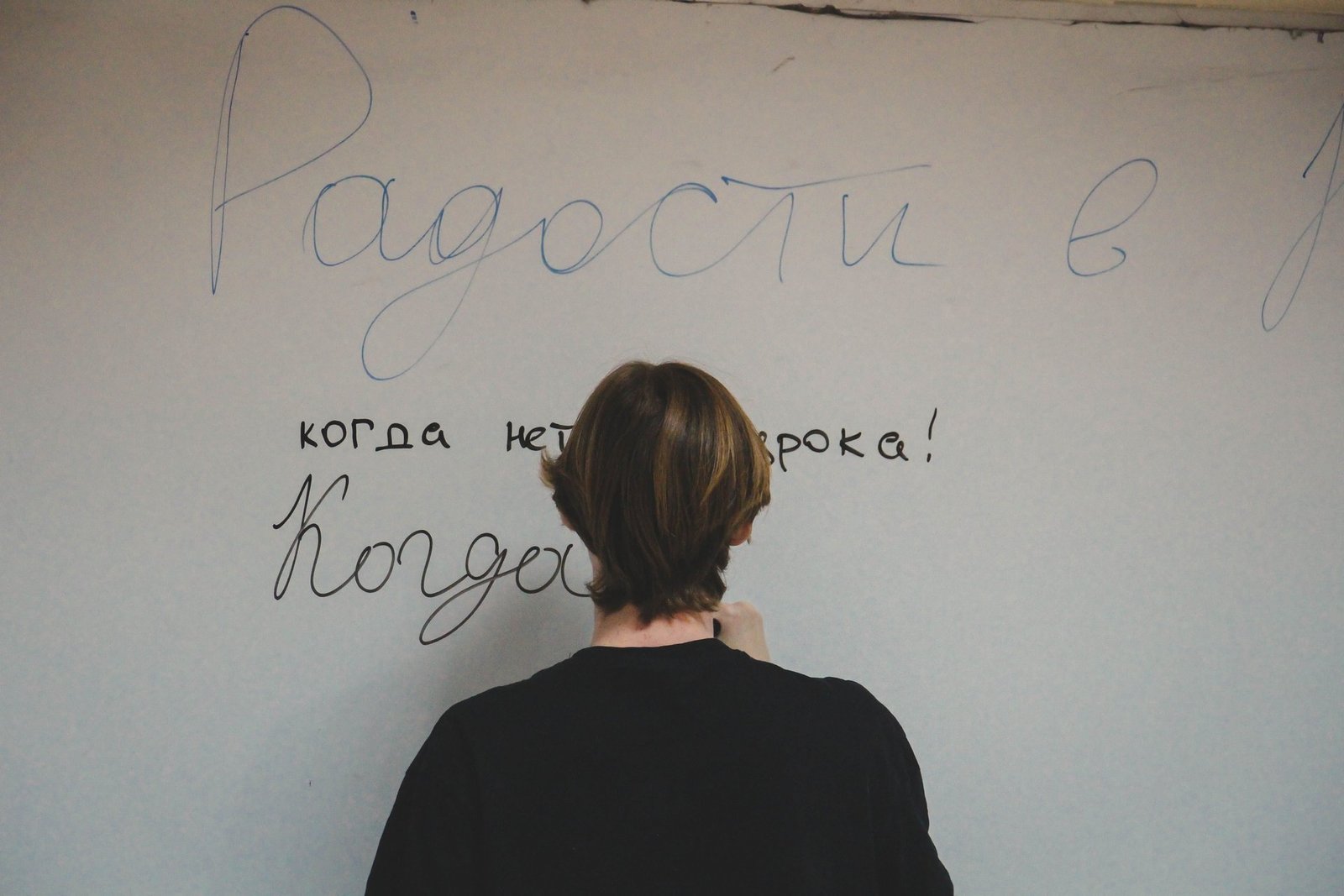
Nationally, support for the Ukrainian language’s dominance in public communication is strong, though a recent survey in Kyiv revealed a preference for speaking Russian among students outside the classroom. Pavlo Viktor, a well-known physics teacher, faced criticism for initially using Russian in his online lessons, although he later provided Ukrainian translations.
Viktor advocates for a gradual and gentle Ukrainianisation, suggesting that fostering a welcoming environment for language transition is more effective than enforcing it. The outcome of Odesa’s proposal remains uncertain, reflecting the broader complexities of language and identity in Ukraine.