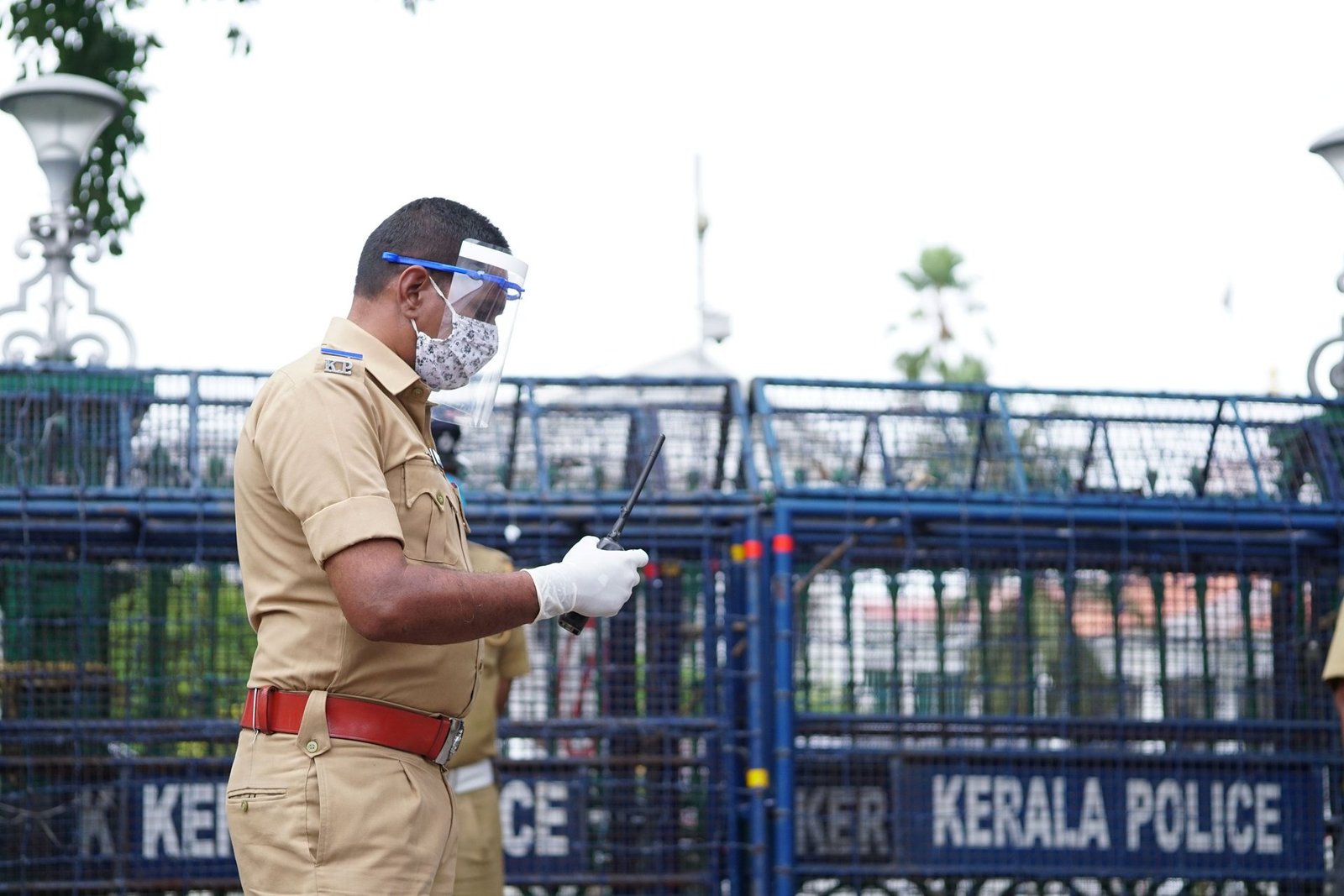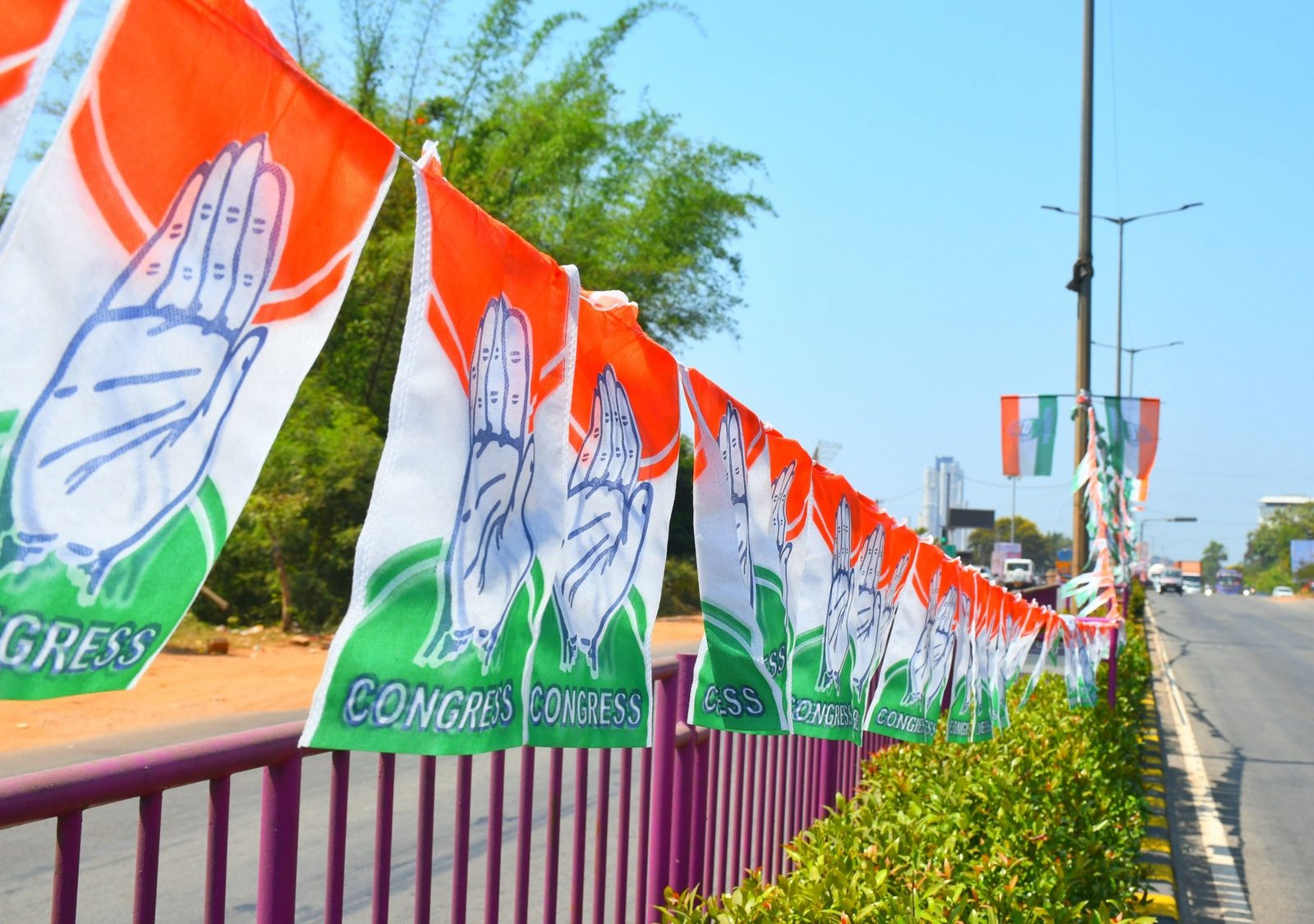
In a significant political development, leaders from Bihar have staged protests in New Delhi, highlighting their grievances against the Congress party. Despite the demonstrations, the Congress party’s leadership is currently prioritizing issues in four other states over Bihar, where no elections are imminent. This situation underscores the complexities that the Congress party is grappling with as it navigates its political landscape across the country.
Political Climate in Bihar
Bihar, a state with a rich political history, has become a focal point for local leaders who are increasingly frustrated with the Congress party’s apparent neglect. The protests aim to draw attention to the issues plaguing the region, including economic challenges and governance concerns. Leaders from Bihar assert that the Congress party must pay more attention to their problems, particularly as they seek to strengthen their political base.
Although the protests signal a growing discontent within the party ranks, the Congress central leadership is facing pressing challenges in other states that demand immediate resolution. Consequently, Bihar’s concerns may not receive the urgency that local leaders desire.
Congress’s Dilemma: Multiple States in Focus
The Congress party is currently dealing with crises in several states where elections are either approaching or where significant political shifts have occurred. As party leaders strategize on how to address these situations, Bihar remains on the back burner due to the absence of immediate electoral pressures.
In particular, states like Karnataka, Rajasthan, and Maharashtra are experiencing political turbulence, with factions within the party causing rifts that need to be mended. The central leadership’s focus on these states illustrates a strategic decision to prioritize areas where electoral success is critical.
Implications for the Future
The choice to delay addressing the issues in Bihar could have long-term implications for the Congress party. If local leaders feel ignored, it could lead to further alienation from the party, potentially harming its prospects in future elections. The disconnect between local leaders and the central command may also embolden rival parties in the region.
As the Congress navigates these challenges, it will need to find a way to balance its attention across various states while also maintaining relationships with key local leaders in Bihar. The outcomes of these protests may play a pivotal role in shaping the Congress party’s strategies moving forward, particularly as they aim to regain ground in states where they have historically held influence.
Conclusion
While the protests in Delhi signal a call for attention from Bihar’s leaders, the Congress party’s immediate focus remains on resolving issues in other states. The central leadership’s ability to manage these competing priorities will be crucial in determining the party’s stability and electoral success in the future. The forthcoming months will be pivotal as the Congress seeks to address its internal challenges while also responding to the concerns raised by its Bihar leadership.