In a significant response to a concerning incident involving Air India, the aviation regulator has announced mandatory drug tests for all pilots. This decision follows an alarming event on August 4, when the pilot of an Air India flight traveling from Phuket to Delhi unexpectedly lost altitude, dropping nearly 300 feet. The sudden descent resulted in injuries among several passengers, raising serious safety concerns.
The regulatory body, which oversees aviation safety and standards in India, has undertaken this action to ensure that all pilots meet the highest standards of fitness for duty. The incident, which left many travelers shaken and questioning the safety of air travel, has prompted a thorough examination of the protocols currently in place for pilot health and behavior.
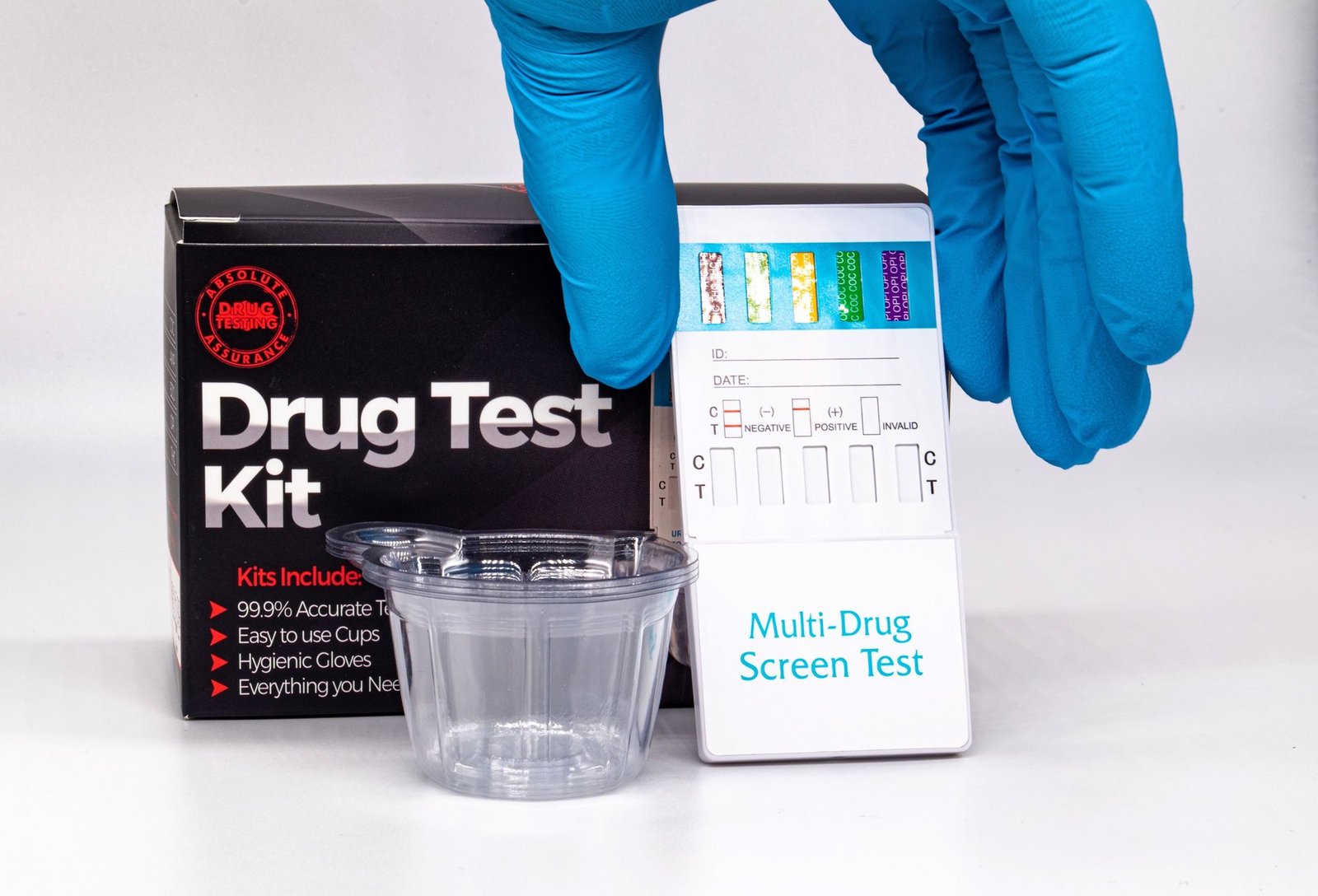
During the investigation into the Phuket-Delhi flight, it was revealed that the pilot tested positive for drug use. This shocking revelation has underscored the necessity for stricter regulations and more rigorous testing protocols within the aviation industry. The regulator’s decision to implement drug tests aims to prevent any recurrence of such incidents and restore public confidence in air travel safety.
Background of the Incident
The flight in question was part of Air India’s regular route, carrying numerous passengers when the alarming altitude drop occurred. Reports suggest that the sudden change in altitude was not only disconcerting but also led to physical injuries among passengers aboard the flight. Following this incident, a full investigation was initiated to determine the causes and ensure accountability.
In light of the pilot’s positive drug test, the regulator is now focusing on comprehensive evaluations of all pilots to ensure that they are fit to fly. This is a crucial step in addressing the potential risks associated with impaired judgment in aviation, which can have dire consequences.
Implications for Aviation Safety
The introduction of mandatory drug testing for pilots highlights a growing concern regarding safety standards in the aviation industry. Drug use among pilots poses a severe threat, not only to those in the cockpit but also to the safety of all passengers and crew members on board. By implementing these tests, the aviation authority aims to create a safer flying environment and ensure that pilots adhere to the highest standards of professionalism.
This measure is also expected to prompt other airlines and regulatory bodies to reassess their own safety protocols regarding pilot health and conduct. The aviation industry has a responsibility to maintain public trust, and ensuring that pilots are drug-free is a fundamental aspect of that responsibility.
Future Steps and Regulations
Moving forward, the aviation regulator plans to roll out a comprehensive testing program that will include not only drug screenings but also regular health evaluations for all pilots. This initiative seeks to establish a culture of safety and accountability within the aviation sector.
Furthermore, the regulator may consider additional training and support programs for pilots to help them manage stress and other factors that could lead to substance use. The goal is to foster a safe environment for both pilots and passengers.
As this situation develops, all eyes will be on the aviation authority’s actions and the effectiveness of the new testing protocols. The hope is that these measures will significantly enhance safety and prevent future incidents that could jeopardize the well-being of air travelers.