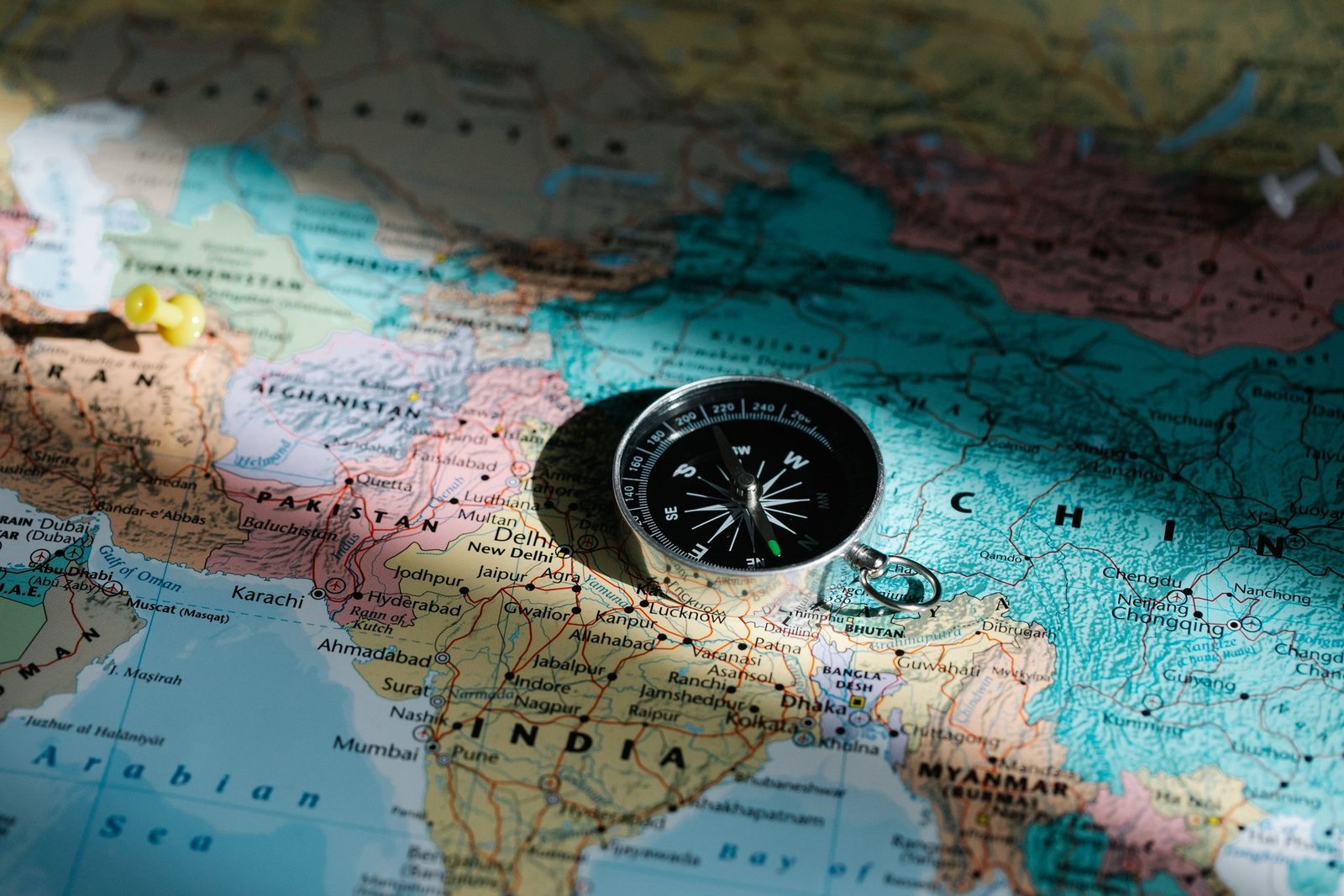
In a significant development in trade relations, India has commenced the export of hilsa fish to Bangladesh, sending a total of 500 tonnes. This move comes at a time when Bangladesh is experiencing a notable decline in its local hilsa production, which is a staple fish cherished by many in the country.
The hilsa fish, known for its unique flavor and cultural significance, is highly sought after in Bangladesh. The current situation has led local fish traders and suppliers to seek alternatives to fulfill the increasing domestic demand. As a result, they have turned to India, which has a robust supply of hilsa fish, to bridge the shortfall.
Reports indicate that the reduced output of hilsa in Bangladesh this year has prompted rising prices and a scramble among traders to secure sufficient quantities to meet consumer needs. The export of hilsa from India not only promises to stabilize prices but also ensures that the fish remains accessible to the consumers in Bangladesh, particularly during the festive seasons when demand peaks.
Background on Hilsa Fish Demand in Bangladesh
Hilsa, or Ilish, holds a special place in Bangladeshi cuisine and culture. It is often referred to as the national fish of Bangladesh and is integral to traditional dishes. The fish is revered for its taste and is a symbol of culinary heritage, making it a critical part of the diet for many families.
The fishing industry in Bangladesh has faced various challenges, including overfishing and environmental factors that have contributed to the decline in hilsa production. This has raised alarm among traders and consumers alike, leading to increased reliance on imports to satisfy local needs.
Implications of India’s Hilsa Exports
The decision by India to export hilsa to Bangladesh not only highlights the interconnectedness of the two nations’ economies but also showcases India’s capacity to respond to regional demands. By providing hilsa to Bangladesh, India plays a crucial role in supporting its neighbor’s food security while strengthening bilateral trade relations.
Furthermore, this initiative can potentially lead to more cooperative ventures in the fishing sector and could pave the way for India to explore additional export opportunities in the future. As both countries navigate the complexities of their fishing industries, such collaborations may prove beneficial for sustaining trade and ensuring food availability.
What Lies Ahead
Following this initial shipment, it remains to be seen how the market dynamics will evolve in Bangladesh. Traders are hopeful that the influx of Indian hilsa will help stabilize prices in the short term.
In the longer term, ongoing dialogue between the two nations could lead to more structured agreements regarding fish exports and imports. Such agreements could facilitate smoother trade flows and ensure that both countries can enjoy the economic benefits of their respective fishing industries.
As the situation develops, stakeholders from both sides will be keenly observing market responses and consumer preferences, which will ultimately shape the future of hilsa trade between India and Bangladesh.