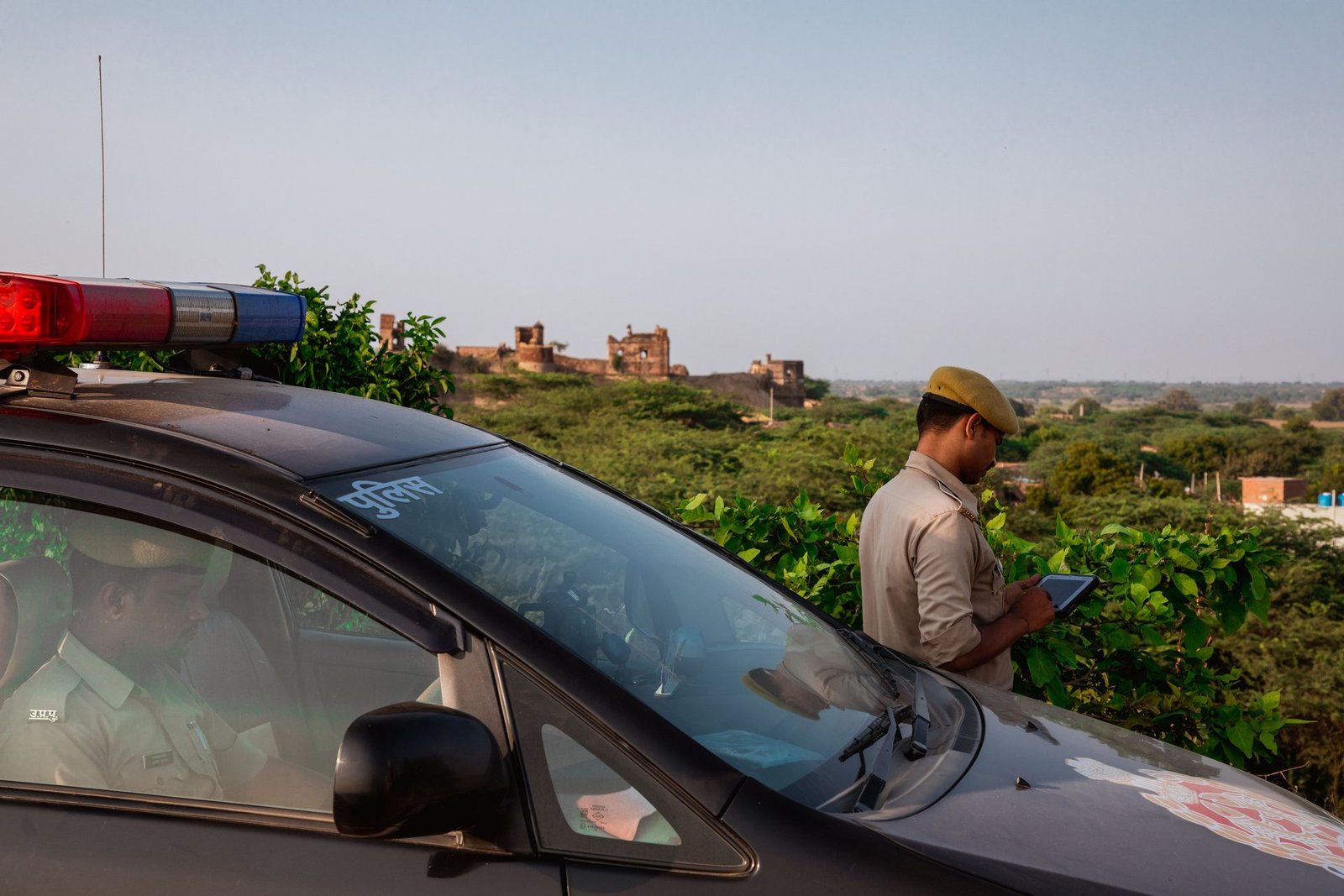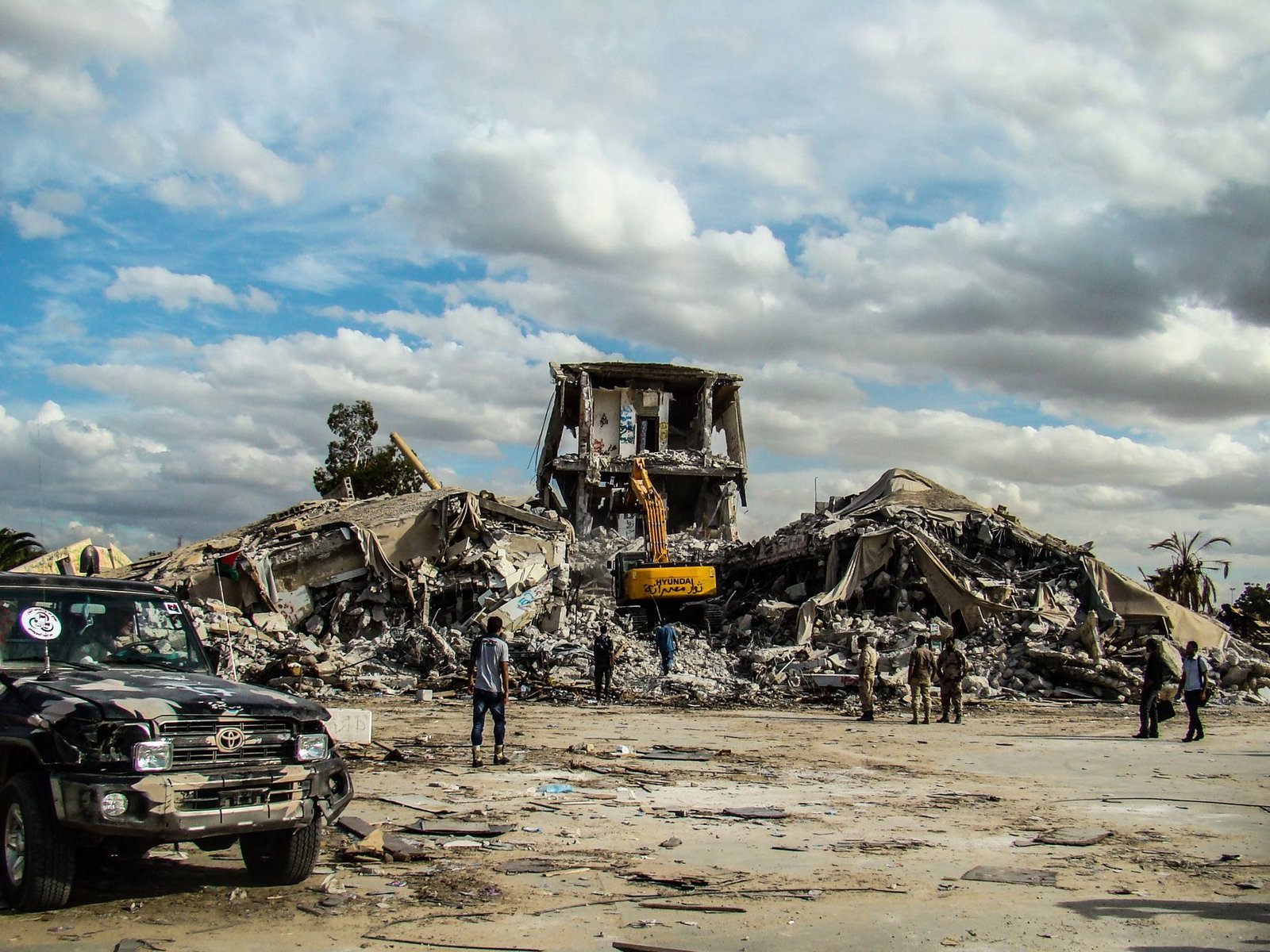
Recent photographs have surfaced, showcasing significant destruction at various American military installations in the Middle East as a result of Iranian attacks. These images, obtained by CBS and shared with BBC News, depict severe damage at US bases, including a dismembered radar aircraft, trailers reduced to rubble, and buildings heavily damaged. These snapshots, though undated, were reportedly taken at locations in Saudi Arabia and Kuwait.
Details of the Damage
A military source, speaking anonymously to CBS, expressed concern over the lack of public awareness regarding the extent of the damage. “This is major damage to our bases that hasn’t been communicated to the American public,” they stated. The White House has directed inquiries to US Central Command, which has yet to provide a comment.
Among the images is one of a Boeing E-3 Sentry at Prince Sultan Air Force Base in Saudi Arabia, torn in half with its tail section mangled. BBC Verify confirmed a similar image of this radar aircraft from March. These planes, known as Awacs, are crucial for detecting and tracking long-range threats, offering early warnings.
Wider Implications and Response
Reports indicate that 12 US personnel were injured, two critically, during an Iranian assault on the air base. Additional images from Camp Beuhring in Kuwait reveal trailers in ruins and tents shredded with smoke rising from the area. Another photograph shows a four-story building at Camp Arifjan, Kuwait, visibly damaged, with reports of satellite communication hardware being affected.
Brian Katulis, a former national security official, remarked on the apparent lack of preparedness in US defenses, suggesting that adversaries like China and Russia may have assisted Iran in targeting. The Pentagon’s watchdog report corroborates these findings, noting that Iranian strikes have damaged or destroyed hundreds of structures across US bases in the region, incurring equipment losses of $3.7 billion.
Financial and Strategic Repercussions
The war has cost the US $33.4 billion, with numerous aircraft, including five refueling planes, being damaged or destroyed. The Congressional Budget Office (CBO) highlighted the need to replace the outdated E-3 aircraft with the more modern E-7, estimating the cost of lost equipment at $1.9 billion. However, the CBO’s review faced challenges due to limited information from the Department of Defense.
Katulis emphasized the broader impact on US military readiness, noting the diversion of assets from Asia to the Middle East and the depletion of munitions, which emboldens adversaries like Russia. While financial resources are available to address these losses, budgetary constraints may hinder timely preparations for future conflicts.
Political and Legislative Developments
The ongoing conflict with Iran, initiated by joint US-Israel attacks, has led to repeated Iranian assaults on US and allied bases in the Gulf. Political pressure is mounting for the White House to resolve the conflict. Recently, the US House of Representatives voted to end military action in Iran, challenging President Donald Trump’s authority. However, the path forward remains uncertain as the Senate has yet to decide on the matter.
In a related development, outgoing Congressman Thomas Massie has called for the impeachment of Defense Secretary Pete Hegseth, citing the financial toll of the Iran war. Despite the controversy, the Trump administration continues to support Hegseth, with Attorney General Todd Blanche praising his performance.