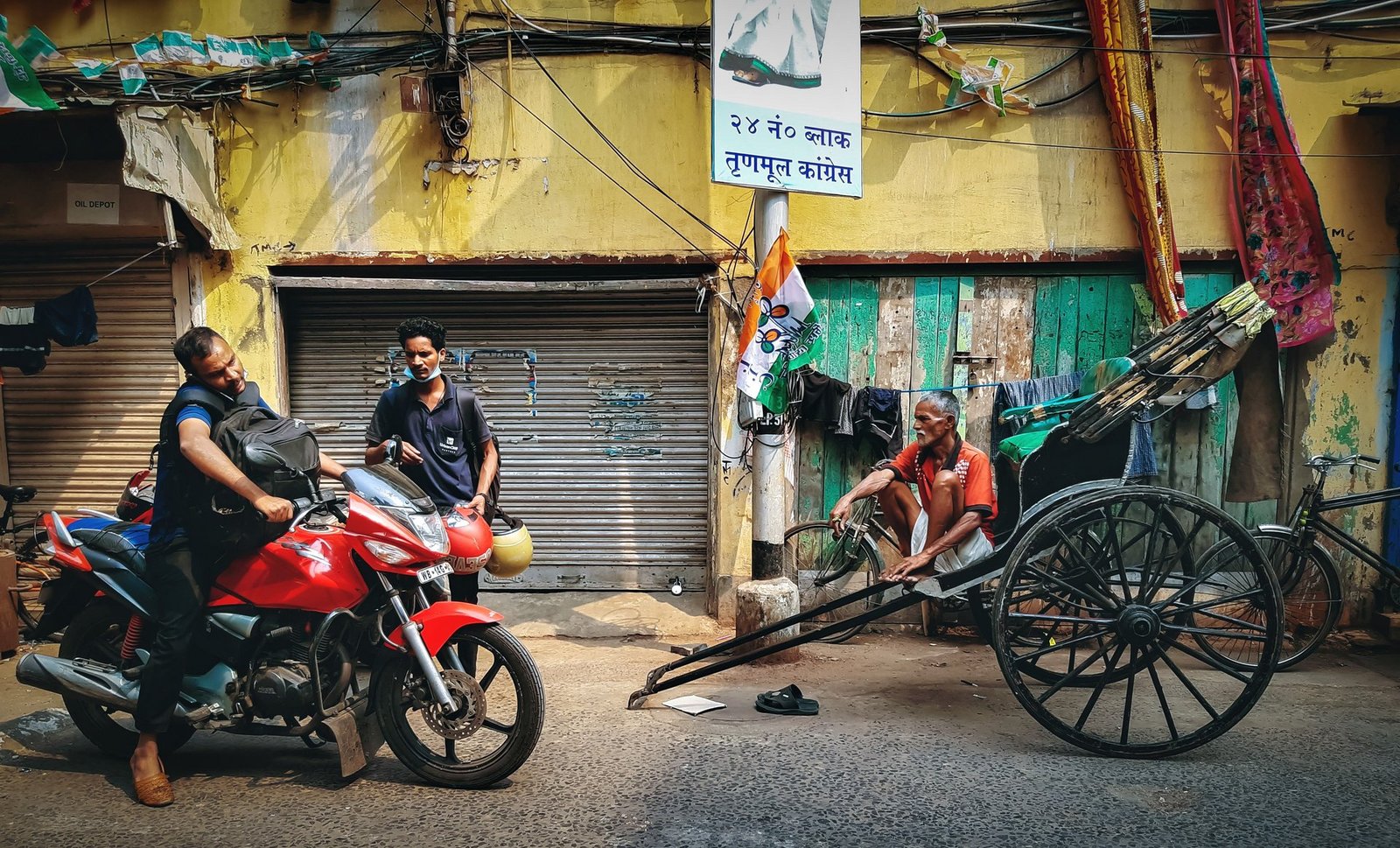
Mamata Banerjee, the Chief Minister of West Bengal and leader of the Trinamool Congress (TMC), has recently drawn attention for her hand-drawn party symbol. This unique emblem is now at the center of a significant legal dispute reminiscent of a notable historical case involving former Prime Minister Indira Gandhi.
The controversy surrounding Banerjee’s symbol is intertwined with a critical moment in Indian political history—the Congress party split of 1969. During this tumultuous period, Indira Gandhi, then Prime Minister, found herself at odds with the established members of the Congress party, leading to a significant factional battle. The Election Commission of India was tasked with resolving the ensuing disputes, and in doing so, it established several key tests that would guide its decision-making processes.
In light of this historical precedent, the current situation involving Banerjee’s symbol raises questions about the Election Commission’s approach to similar disputes today. The Commission, which has evolved over the years, is now faced with the challenge of applying its established criteria to a case that echoes the past. The tests employed during the Congress split were pivotal in determining party legitimacy and leadership, and they remain relevant as political factions continue to vie for control and recognition.
The implications of this ongoing dispute are significant not only for the TMC and Banerjee but also for the broader political landscape in India. As parties navigate their identities and symbols, the role of the Election Commission in adjudicating these conflicts will be closely scrutinized. Observers are keen to see how the Commission applies its historical lessons to modern-day challenges.
Ultimately, the outcome of this case could set a precedent for how party symbols are recognized and protected in India, influencing future electoral strategies and party dynamics. As the situation develops, political analysts will be watching closely to understand the ramifications for Banerjee and her party, as well as for the wider implications for Indian politics.