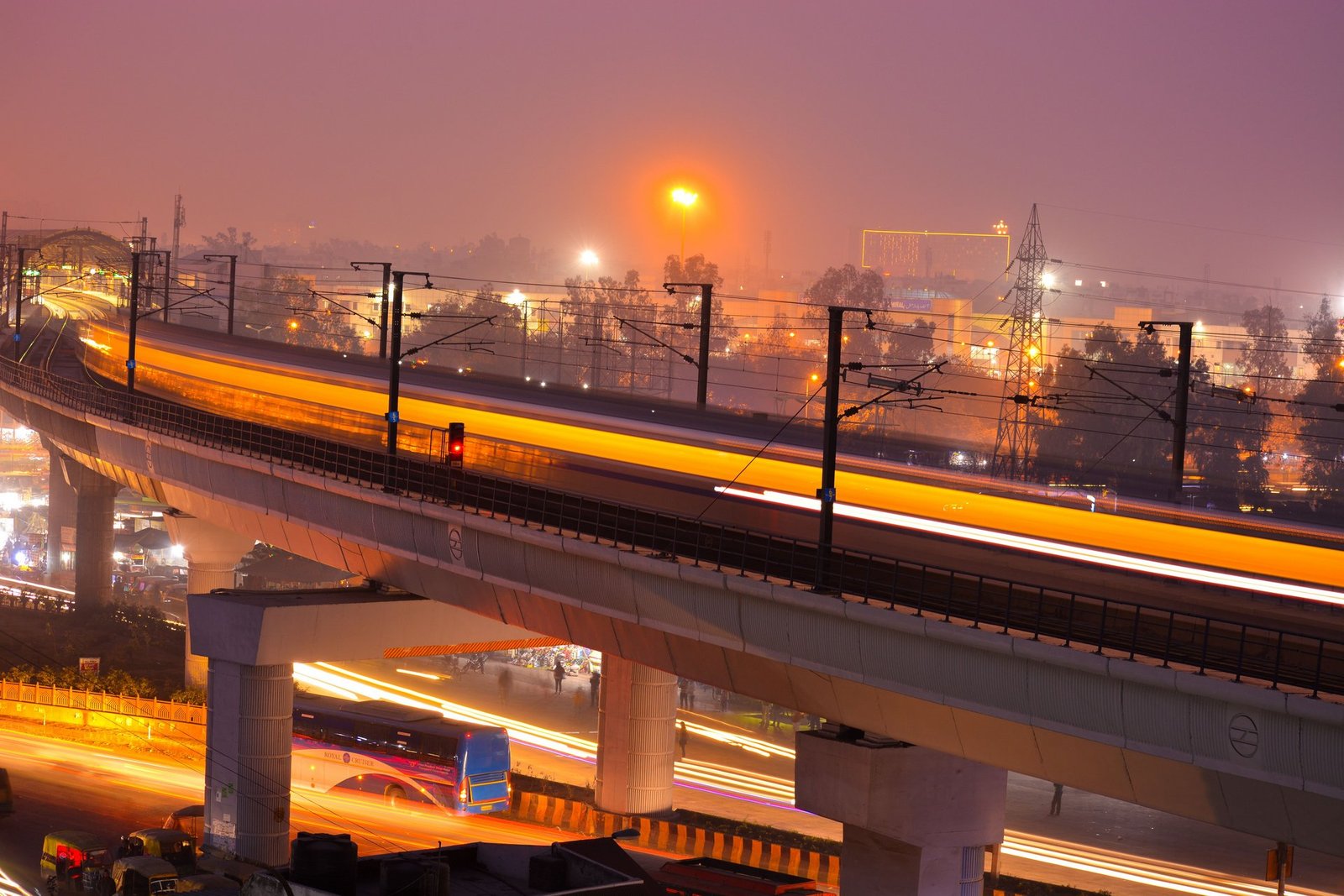

The Delhi government has taken a significant step towards enhancing the city’s transportation infrastructure by approving the construction of a 5.5-kilometer elevated corridor. This new project aims to streamline traffic by allowing vehicles to bypass up to twelve intersections, which are notorious for congestion.
The decision comes in response to the increasing traffic woes faced by commuters in the city. The elevated corridor is expected to facilitate smoother transit and reduce travel times for thousands of daily users. This initiative is part of a larger vision to improve the urban transit system and provide more efficient travel options for residents.
Details of the Elevated Corridor Project
The elevated corridor will serve as a vital link for major routes, significantly impacting the flow of traffic in densely populated areas. By enabling vehicles to move above street level, the project aims to minimize delays caused by signals and road intersections. This innovative approach is anticipated to improve overall traffic management in the capital.
In alignment with this development, the Delhi Metro Rail Corporation (DMRC) had previously formulated Master Plan Implementation (MMI) strategies for a total of 31 stations across its ongoing Phase I and Phase II corridors. The recent approval of six additional plans signifies that all 31 MMI plans have now received the green light from the Unified Traffic and Transportation Infrastructure (Planning and Engineering) Centre (UTTIPEC).
Significance of the Project
This elevated corridor is not just a construction project; it represents a crucial investment in Delhi’s infrastructure that aims to address long-standing traffic issues. With the city experiencing rapid urbanization and an increase in vehicle ownership, the need for improved transportation solutions has never been more pressing. The project is expected to alleviate congestion, resulting in faster commutes and enhanced connectivity between neighborhoods.
Furthermore, the approval of the MMI plans indicates a concerted effort by the government to integrate different forms of public transport, ensuring that the metro services and other commuting options work cohesively. This integrated approach is vital in fostering a more sustainable urban environment.
Looking Ahead
As the project moves forward, stakeholders will be closely monitoring its development and implementation. The construction phase is projected to commence in the near future, with timelines and specific details yet to be finalized. It is imperative for the authorities to ensure that the construction process minimizes disruption to current traffic patterns and public transport services.
Moreover, the success of this elevated corridor could pave the way for more such initiatives in the region, encouraging further investment in infrastructure projects aimed at enhancing urban mobility. As Delhi continues to grow, the focus on upgrading its transportation systems will be crucial in maintaining the quality of life for its residents.