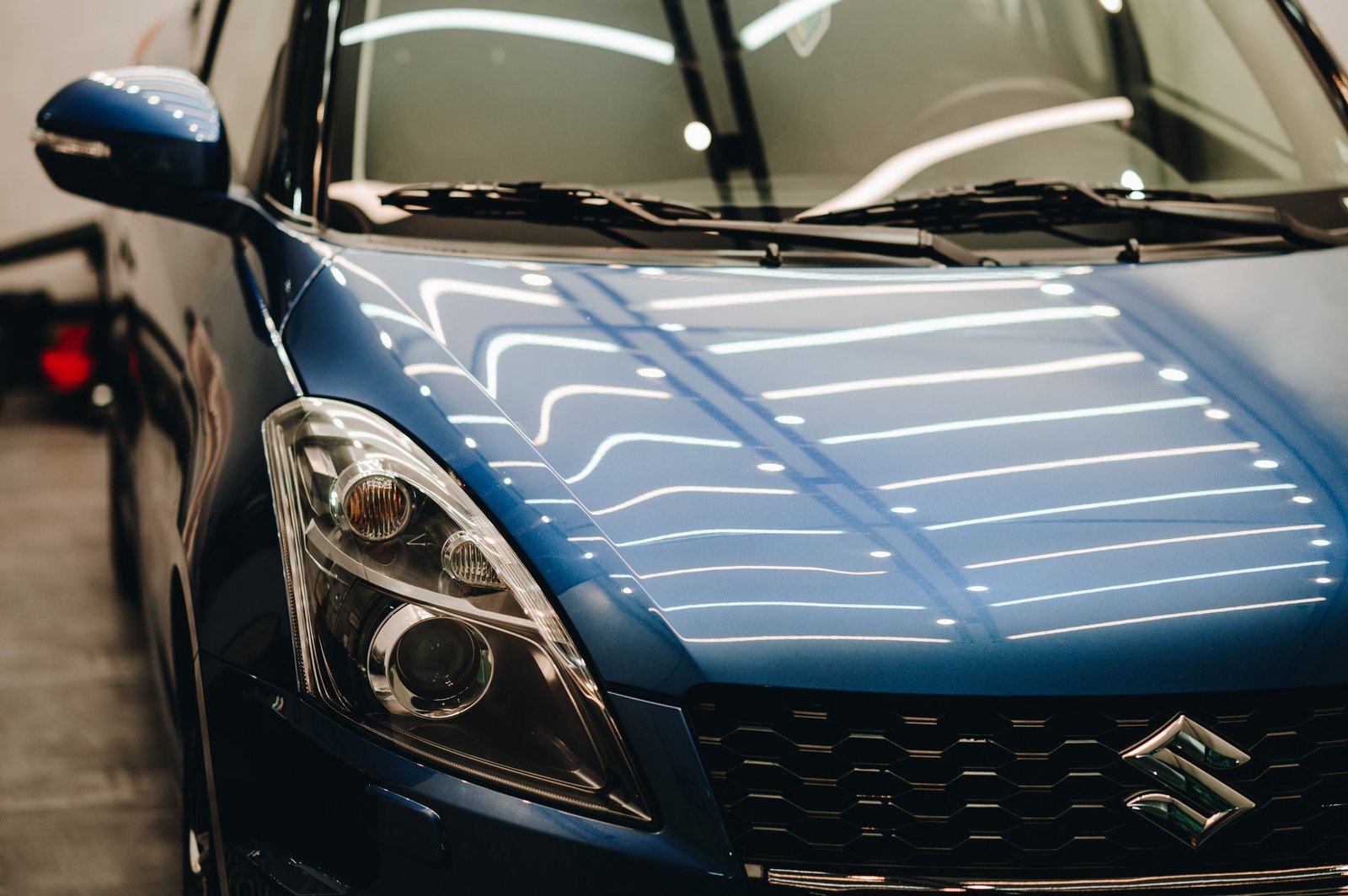
Suzuki Motor Corporation has set an ambitious goal to significantly reduce the time required to develop new vehicles by the year 2030. This initiative is part of a broader strategy aimed at enhancing collaboration between its engineering and manufacturing teams. The Japanese automotive manufacturer is not only looking to halve the development timeline but also aims to boost development efficiency by 30% and production efficiency by 50%.
The benchmarks for measuring these development targets are based on the fiscal year 2020, while the production efficiency goals will reference the performance of its Manesar facility in India. As a part of this strategy, Maruti Suzuki is expected to launch a series of new models and refreshed designs at a faster pace.
Accelerated Product Launch Plans
As part of its efforts, Suzuki has outlined a plan to roll out nine new vehicle models, including seven SUVs, over the next three years. This announcement comes as Maruti Suzuki aims to shorten its vehicle development cycle from the current 48 months to just 36 months, as reported by our sister publication, Autocar Professional.
While Maruti’s target for the 36-month timeline and Suzuki’s broader goal for 2030 differ in their foundational metrics, the challenge remains substantial. The introduction of new models will require a diverse range of powertrain options, including petrol, CNG, hybrid, flex-fuel, and electric variants, all of which necessitate extensive engineering, validation, procurement, and supplier collaboration.
Enhanced Collaboration and Digital Integration
To achieve these ambitious timelines, Suzuki plans to integrate critical functions earlier in the vehicle development process. This means that teams responsible for planning, design, production, quality assurance, and procurement will work concurrently, leveraging advanced digital engineering techniques and shared module usage. The goal is to identify potential issues earlier in the process, thereby minimizing delays caused by the need to transfer work between different teams.
Maruti Suzuki is also taking steps in this direction by increasing its use of simulation and virtual testing. The company is focusing on early involvement from suppliers and aims to develop components, tooling, and manufacturing processes simultaneously. This collaborative approach is designed to streamline operations and enhance overall efficiency.
Future Production Capacity and Strategic Goals
Suzuki is committed to developing core technologies in Japan, which it will then share with Maruti Suzuki. The latter will adapt these innovations to better serve Indian consumers and prepare them for local production. As India continues to emerge as a crucial manufacturing and export hub, this partnership will face an increased workload.
Looking ahead, Suzuki targets an annual production capacity of approximately four million vehicles from India starting in fiscal 2030. However, the company has yet to specify the current group-wide development period that will serve as a reference point for its 2030 objectives.