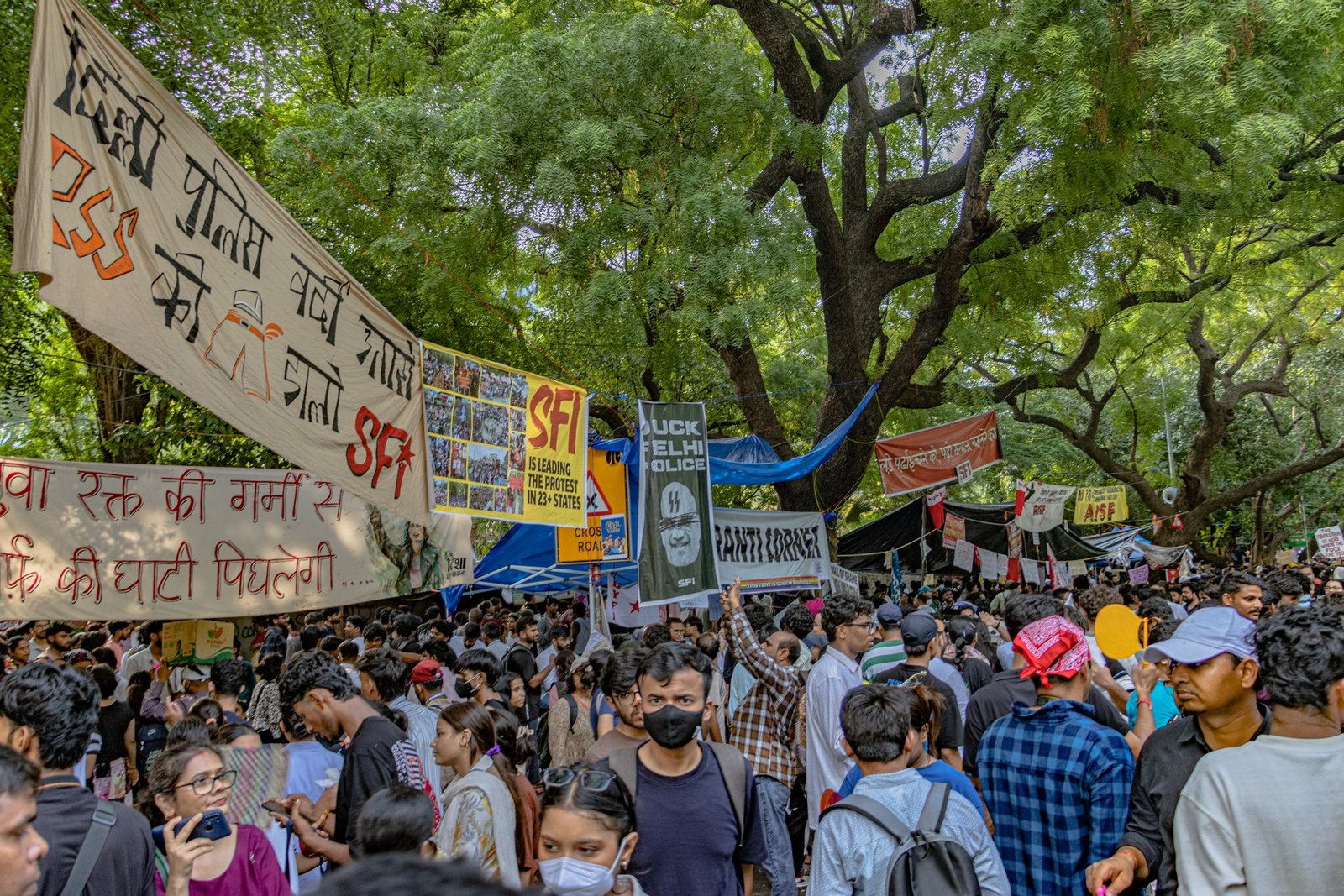
The Citizens for Justice and Peace (CJP) has declared its intention to mobilize nationwide protests in response to a recent crackdown in Delhi. This announcement comes after the release of Abhijeet Dipke and two other leaders from the organization, which has been at the forefront of advocating for civil rights in India.
In a statement addressing the circumstances surrounding their release, CJP officials emphasized that none of the released leaders had signed any agreements preventing them from participating in future protests. They clarified that the conditions of their release were misinterpreted, stating that the bond they signed merely pertains to avoiding a breach of peace, rather than prohibiting peaceful demonstrations.
The CJP firmly believes that participating in peaceful protests is a fundamental right enshrined in the Constitution of India. This stance highlights the organization’s commitment to civil liberties, especially in light of recent events that they view as restrictive to democratic expressions of dissent.
Context of the Crackdown
The recent crackdown in Delhi has raised significant concerns among various civil rights groups and activists. Many see this as part of a broader trend of governmental efforts to stifle dissent and suppress voices that oppose prevailing policies. The CJP argues that such actions undermine the democratic fabric of the nation and threaten the rights of citizens to express their opinions freely.
Following the arrests, the CJP has focused on rallying support from like-minded organizations and individuals who are committed to defending civil rights. They aim to amplify their message through coordinated protests that will take place across multiple cities, emphasizing solidarity among various groups fighting for justice and equality.
Future Implications
The CJP’s commitment to organizing nationwide protests highlights the ongoing tensions between civil society organizations and the government. As protests are planned, the implications could extend beyond immediate demonstrations, potentially influencing public sentiment and political discourse in India.
With the CJP’s assertion that peaceful protests are a constitutional right, the organization seeks to challenge any attempts by authorities to suppress dissent through legal and public advocacy avenues. This situation may also inspire other groups to take similar actions, leading to a wider movement advocating for civil liberties and social justice.
As the situation unfolds, it remains to be seen how the government will respond to these planned protests and whether they will engage in further crackdowns or seek dialogue with the CJP. The coming weeks will be critical in determining the trajectory of civil rights in India and the capacity of organizations like the CJP to mobilize and advocate for change.
Source: NDTV India