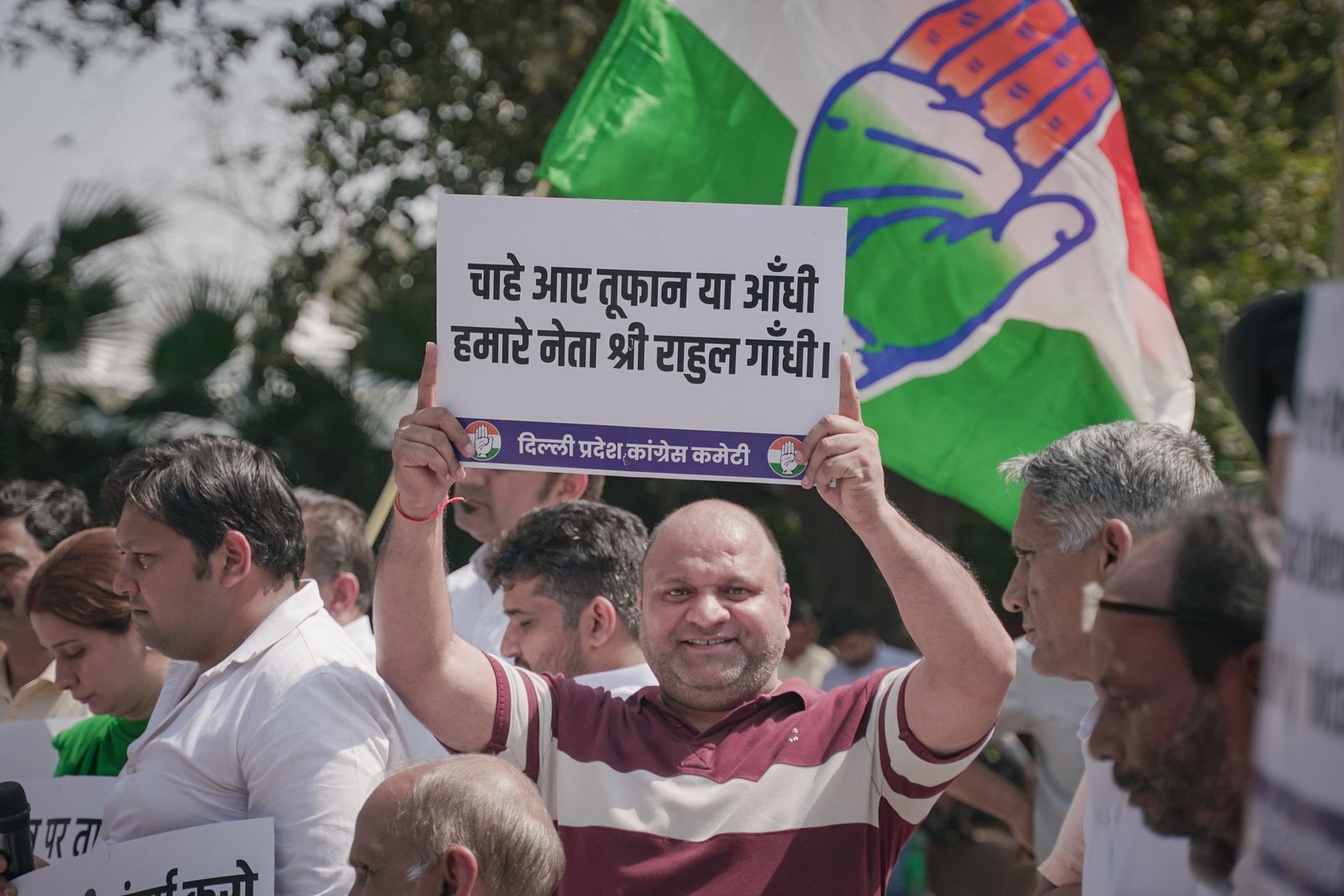
During a significant demonstration organized by the INDIA bloc at the Supreme Court, Rahul Gandhi made a notable gesture that resonated deeply with the ongoing political landscape and the engagement of younger voters. Positioned strategically behind two women, one of whom was his sister, Priyanka Gandhi, and the other identified as Neha Bora, Gandhi’s actions carried substantial symbolic weight in the context of contemporary protests.
The Context of the Protest
The march to the Supreme Court was not merely a routine political event; it was emblematic of the ongoing dissent against various governmental policies and actions that have sparked widespread public outcry. As political parties unite under the banner of the INDIA bloc, this demonstration aimed to amplify their collective voice, addressing issues that resonate with the electorate, particularly younger generations.
By placing himself behind Neha Bora and Priyanka Gandhi, Rahul Gandhi signaled a commitment to inclusivity and solidarity, particularly towards women in leadership roles. Such gestures are increasingly important in an era where representation and support for gender equality are paramount in political discourse.
Implications for Rahul Gandhi’s Political Image
Rahul Gandhi’s positioning in the march illustrates a broader strategy to connect with the sentiments of Gen Z and young voters. This demographic has been pivotal in recent electoral outcomes, and their engagement is crucial for the political future of parties like Congress. The gesture of standing behind these women can be interpreted as a move to showcase his support for female empowerment, aligning with values that resonate with younger constituents.
Moreover, this action serves as a reminder of the significance of soft power in politics. While traditional campaigning focuses on policies and strategies, gestures like these highlight the human side of political figures, fostering a sense of relatability and approachability that can be essential in winning over skeptical voters.
Looking Ahead: The Future of Congress and Engagement with Young Voters
As the political landscape continues to evolve, the ability of established parties like Congress to adapt and resonate with younger voters will be critical. Rahul Gandhi’s recent actions, including his supportive stance during the march, suggest a potential shift towards a more inclusive approach that could appeal to the youth.
In the near future, it will be essential for Congress to maintain this momentum and build upon the foundations laid during events like the Supreme Court march. Engaging with Gen Z on social media platforms, addressing their concerns about pressing issues such as employment, education, and climate change, will be vital in ensuring that the party remains relevant and competitive in upcoming elections.
Source: NDTV India