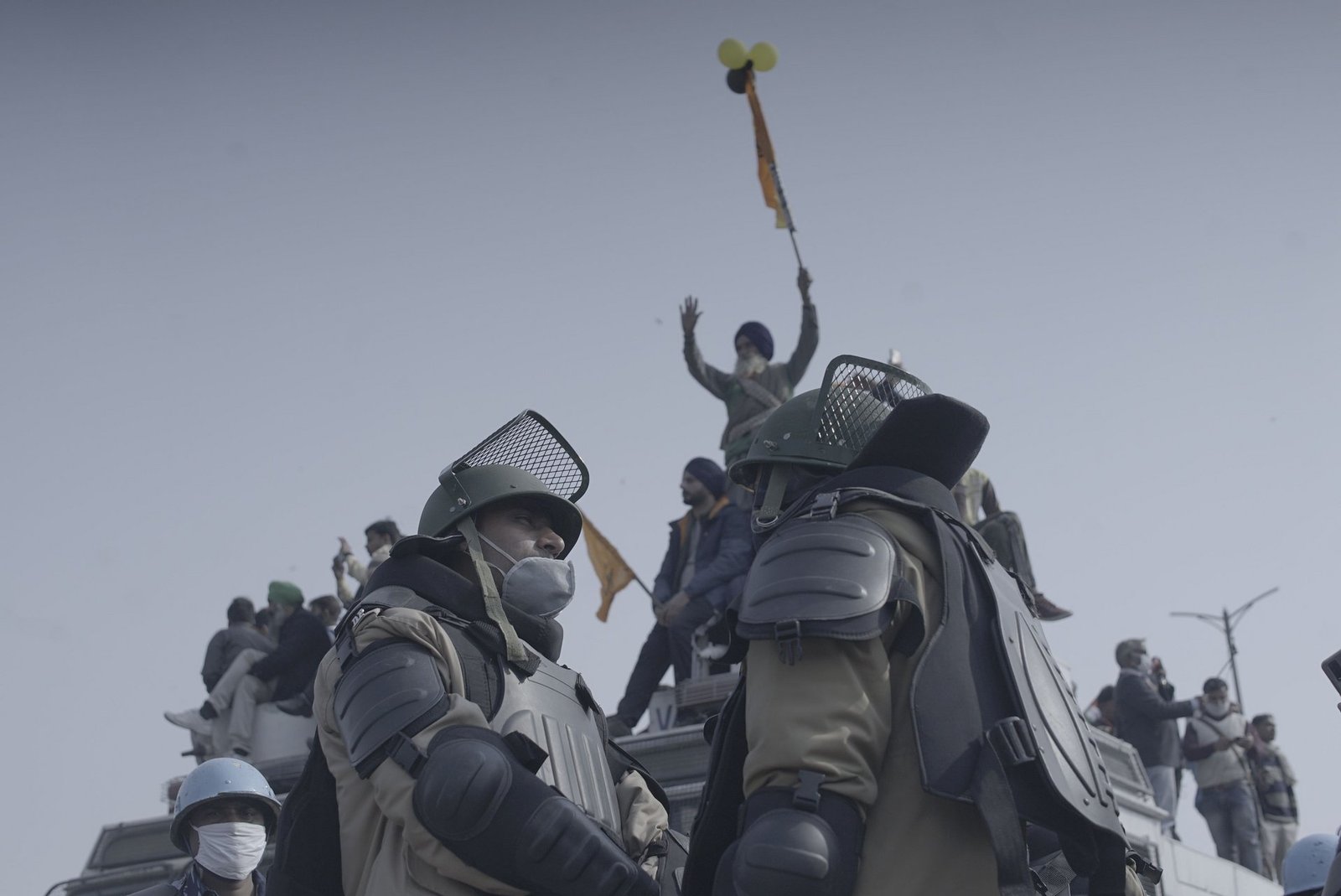
In a significant escalation of tensions surrounding the tragic murder of Ankita Bhandari in Uttarakhand, protests erupted in New Delhi on Thursday. The demonstration, organized by various groups advocating for justice, saw the parents of the victim briefly detained by law enforcement officers. This action has drawn sharp criticism from political leaders and activists who accuse the authorities of attempting to suppress dissent.
Details of the Incident
The protest took place in front of the Uttarakhand Bhawan, where attendees were vocal about their demands for justice in the case of Ankita Bhandari, whose murder has sparked widespread outrage across the nation. The parents of Bhandari participated in the demonstration, hoping to draw attention to their plight and seek accountability for their daughter’s death.
Reports indicate that police intervened during the protest, leading to the temporary detention of Ankita’s parents. Eyewitness accounts suggest that the officers moved in as tensions escalated, resulting in a chaotic scene as supporters rallied for justice. The police’s swift action has been viewed by many as an attempt to stifle the voices of those seeking answers.
Political Reactions
The police action has attracted sharp rebukes from leaders of the Congress party. Notable figures such as Supriya Shrinate, Pawan Khera, and Kazi Nizamuddin voiced their disapproval, claiming that the authorities are specifically targeting individuals advocating for justice. Shrinate and her colleagues have expressed concerns that the government’s approach undermines the democratic right to protest and seek justice.
In addition to the concerns regarding police conduct, the political leaders also raised questions about the potential appointment of Dushyant Gautam, suggesting that such moves could be seen as an attempt to shield those in positions of power from accountability. This has further fueled the narrative that political motives are at play in the case, with critics arguing that the investigation may not be entirely impartial.
Broader Implications
The incident in New Delhi reflects a growing frustration among citizens regarding the handling of cases involving violence against women. The murder of Ankita Bhandari has not only resonated with her family and friends but has also galvanized a wider movement demanding systemic changes in how such cases are treated by law enforcement and the judicial system.
As public outcry continues, it remains to be seen how the authorities will respond to the mounting pressure. Activists and political leaders alike are calling for transparency and accountability in the investigation, emphasizing the need for a thorough and fair judicial process.
The situation is evolving, and further protests are anticipated as advocates for justice rally around Ankita’s family. Observers are closely monitoring how the government will address the demands of the public and the implications this case may have on future discussions about women’s safety and legal reforms in India.
Source: NDTV India