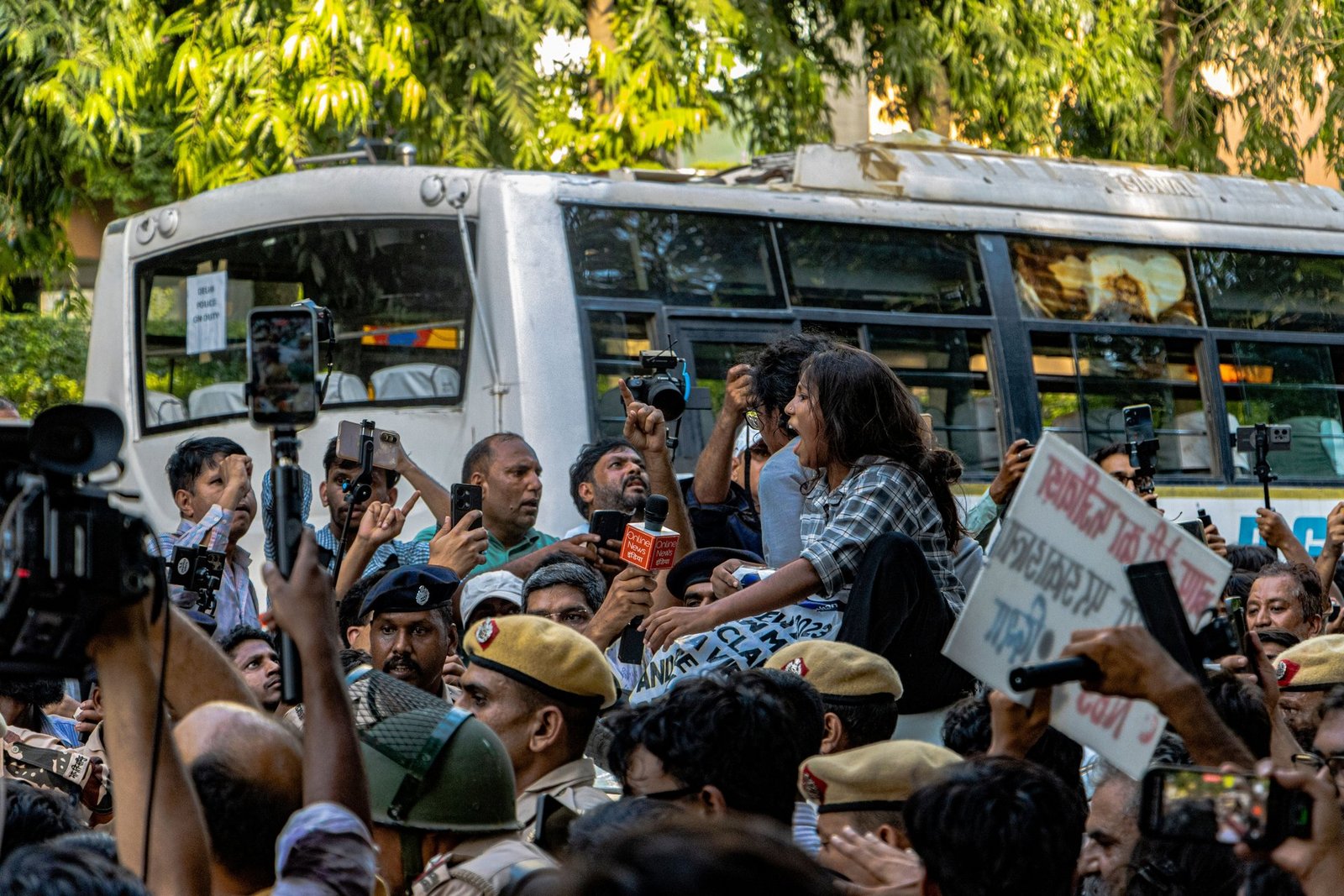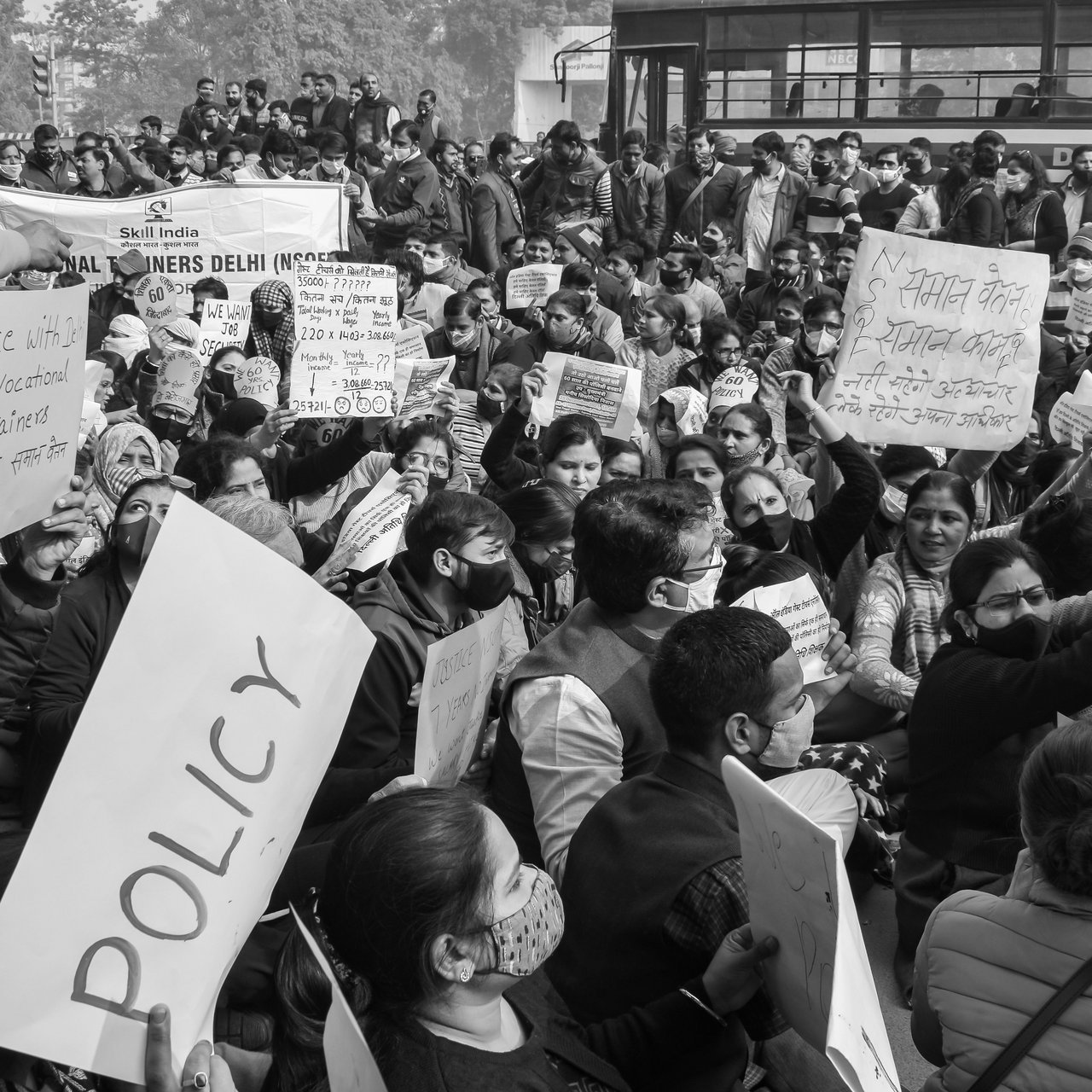
In a significant decision, the Delhi High Court has declined to intervene in a planned protest scheduled for tomorrow at Connaught Place, New Delhi. The protest is organized by Abhijeet Dipke, who has urged supporters to assemble at Central Park, proudly waving the national flag. This demonstration aims to voice opposition against what the organizers describe as a police crackdown on those highlighting concerns over alleged electoral fraud.
Details of the Protest
The call for protest comes in the wake of increasing tensions surrounding allegations of electoral misconduct. Participants are encouraged to identify themselves as “patriots,” signaling a strong emotional appeal to national pride and civic duty. Dipke’s appeal resonates with a segment of the population that feels disillusioned with the current political climate and the integrity of electoral processes.
Protest organizers have been vocal about their right to assemble and express dissent, particularly in light of recent actions taken by law enforcement against groups demonstrating their grievances. They contend that the right to protest is a fundamental aspect of democracy and should be protected.
Police Response and Regulations
In response to the planned gathering, the police have stated their commitment to “regulate” the event, ensuring it remains peaceful and orderly. Officials have indicated that they will be present at the scene to manage the crowd and prevent any potential disruptions. This regulatory stance highlights the delicate balance authorities must maintain between allowing freedom of expression and ensuring public safety.
Law enforcement agencies are preparing for various scenarios, including the possibility of heightened tensions during the protest. They have assured the public that measures will be in place to facilitate a lawful assembly while also safeguarding against any unforeseen incidents that could arise from the large gathering.
Significance of the Event
The upcoming protest not only reflects the ongoing discourse surrounding electoral integrity but also underscores a broader sentiment of public discontent. As political tensions escalate, events like this can serve as a catalyst for further dialogue about governance and accountability.
Moreover, the court’s refusal to halt the protest may be seen as an endorsement of citizens’ rights to assemble and express their views on matters of public concern. This decision could set a precedent for future gatherings, especially those that challenge governmental authority or raise critical issues affecting the electorate.
As the situation develops, it will be crucial to monitor how both the protestors and law enforcement engage with one another, and what implications this may have for future protests and public demonstrations in the capital. The eyes of the nation may very well be on Connaught Place tomorrow as both sides navigate the complexities of civic engagement and law enforcement oversight.
Source: NDTV India