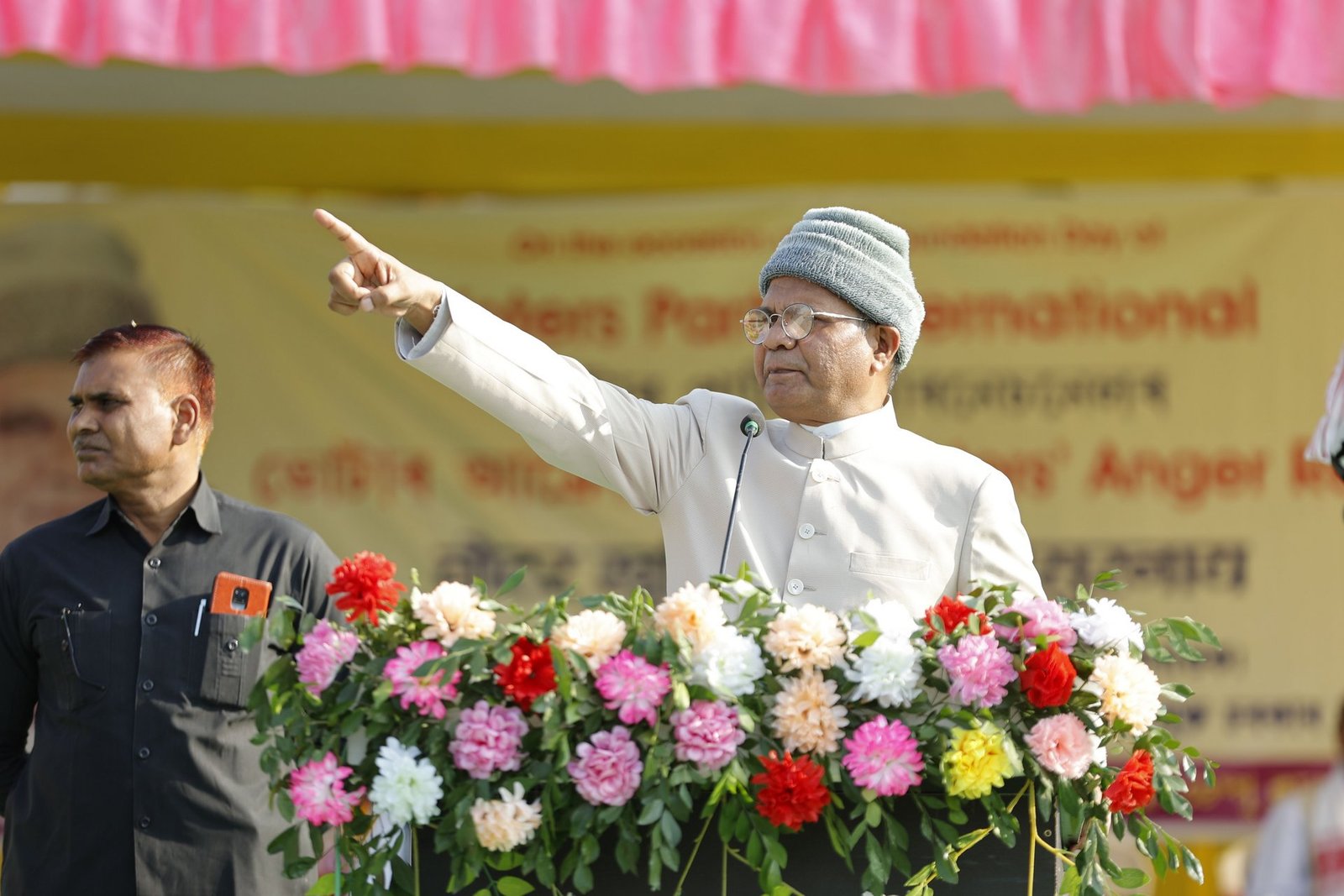
In the wake of a tragic incident involving the murder of an activist, Punjab’s Chief Minister Bhagwant Mann has taken a strong stance on the issue of drug abuse in the region. He emphasized the need for a collective effort from the community to combat the pervasive drug problem, asserting that it is not solely the responsibility of law enforcement agencies.
Community Initiative Against Drugs
During a recent address, Mann called for the establishment of a grassroots movement aimed at addressing drug addiction. He believes that the fight against drugs must involve the active participation of citizens, rather than placing the burden entirely on police forces.
The Chief Minister highlighted the importance of viewing drug users through a compassionate lens. He noted that those struggling with addiction should be treated as patients who require support and rehabilitation, rather than as criminals. This perspective underscores a shift in approach towards addiction, advocating for a more humane and understanding treatment of individuals affected by substance abuse.
Background of the Activist’s Murder
The recent murder of the activist has sparked outrage and concern among the public, drawing attention to the serious issue of drug-related violence in Punjab. Activists and community leaders have been vocal about the need for stronger measures to protect those advocating against drug abuse and to ensure the safety of citizens in general.
In light of this incident, Mann’s call for a movement against drugs resonates deeply within the community, as many feel the urgency to take action to prevent further tragedies. The activist’s death has become a rallying point for those who wish to see meaningful change in how drug issues are addressed in Punjab.
Next Steps in the Fight Against Drug Abuse
Moving forward, Mann’s administration is expected to outline specific initiatives aimed at fostering community involvement in combating drug abuse. The Chief Minister’s remarks suggest that he envisions collaborations between various stakeholders, including healthcare professionals, educators, and local organizations.
Additionally, there may be calls for increased funding and resources to support rehabilitation programs and to expand outreach efforts aimed at educating the public about the dangers of drug use. The focus on treating addiction as a health issue rather than a criminal one could lead to significant policy changes in Punjab.
As the situation develops, the government is likely to face pressure from both the public and activist groups to implement effective strategies that prioritize the health and safety of individuals affected by drugs. The outcome of these efforts will be closely monitored by the community, as they seek to transform the landscape of drug addiction treatment and prevention in the region.
Source: NDTV India