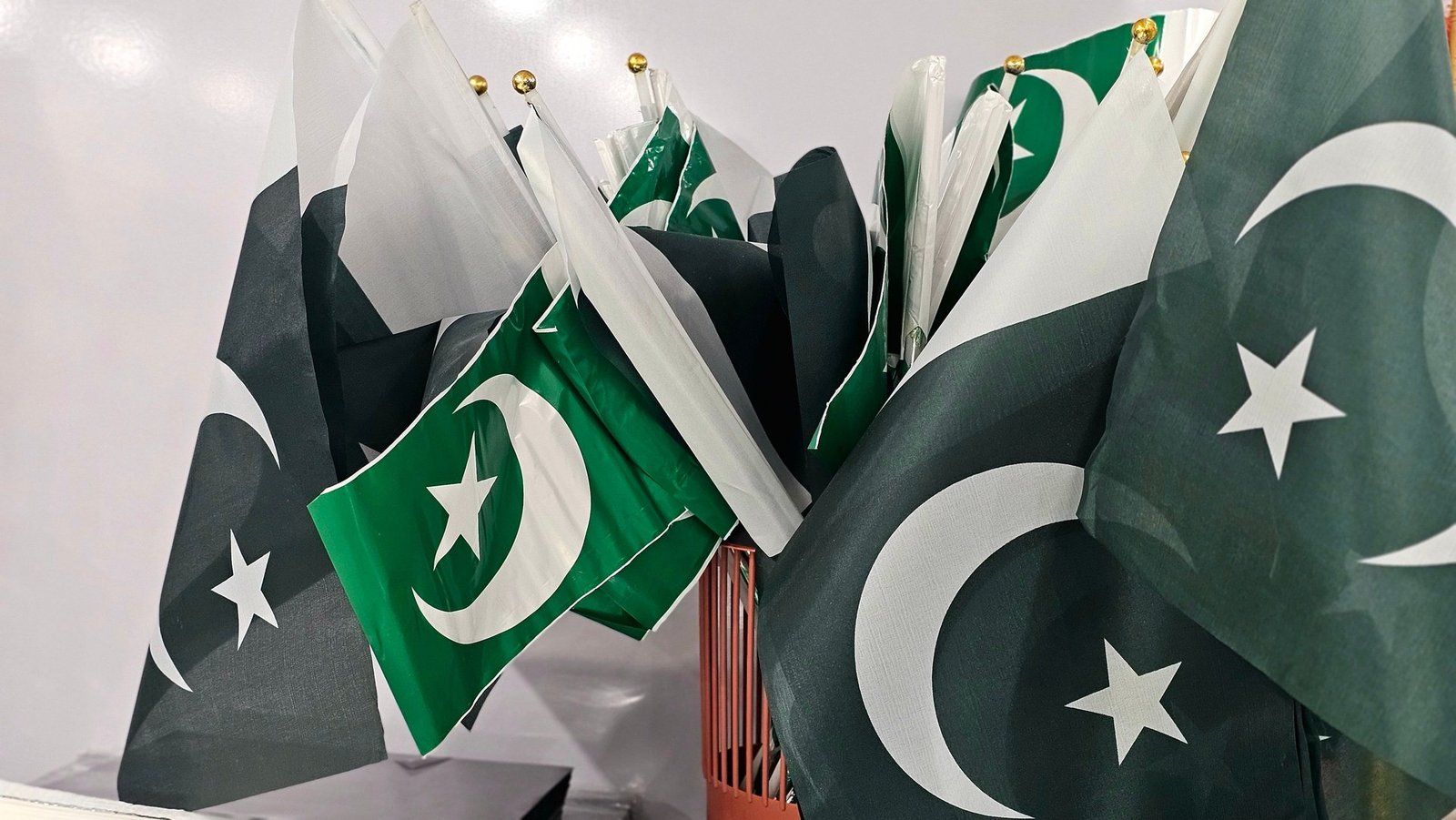
In a significant development for Pakistan’s international economic standing, Minister for Economic Affairs Ahad Khan Cheema has been officially designated as the next chair of the boards of the International Monetary Fund (IMF) and the World Bank Group (WBG) for the year 2027. This announcement was made during the plenary session of the 2026 WBG-IMF Annual Meetings held in Bangkok.
Implications for Pakistan
This upcoming leadership role comes at a time when Pakistan is grappling with severe economic challenges, including a precarious debt situation that has raised concerns among international observers and stakeholders. The nation has been seeking assistance from the IMF to stabilize its economy and promote sustainable growth. Cheema’s position could be pivotal in shaping policies that not only affect Pakistan but also the broader global economic landscape.
As the incoming chair, Cheema will oversee discussions and decisions that could have critical ramifications for member countries, particularly those facing similar economic tribulations. This role presents an opportunity for Pakistan to influence international financial policy, potentially attracting investment and support for its own recovery efforts as it navigates through its economic difficulties.
Background on the Economic Situation
Pakistan’s economy has been under significant strain, characterized by high inflation rates, currency depreciation, and mounting external debts. The country has resorted to borrowing from international institutions, including the IMF, to manage its fiscal deficits and maintain economic stability. However, the reliance on external funding has raised questions about the long-term sustainability of its economic policies.
In recent years, Pakistan has made several attempts to implement structural reforms aimed at improving its economic resilience. The leadership of the IMF and World Bank could provide Pakistan with a platform to advocate for its interests while simultaneously addressing the broader issues of global economic governance.
Looking Ahead
As Pakistan prepares to assume this leadership role in 2027, there will be a keen focus on how it manages its responsibilities amidst ongoing economic adversity. The international community will be monitoring the effectiveness of Cheema’s chairmanship in advocating for policies that support not only Pakistan’s recovery but also those of other nations within the IMF and World Bank frameworks.
Cheema’s leadership could signify a turning point for Pakistan, offering a chance to reshape its narrative on the global stage while working towards resolving its pressing economic issues. The outcomes of his tenure will likely be scrutinized as both a reflection of Pakistan’s economic strategies and an indication of its future trajectory in the realm of international finance.
Source: NDTV India