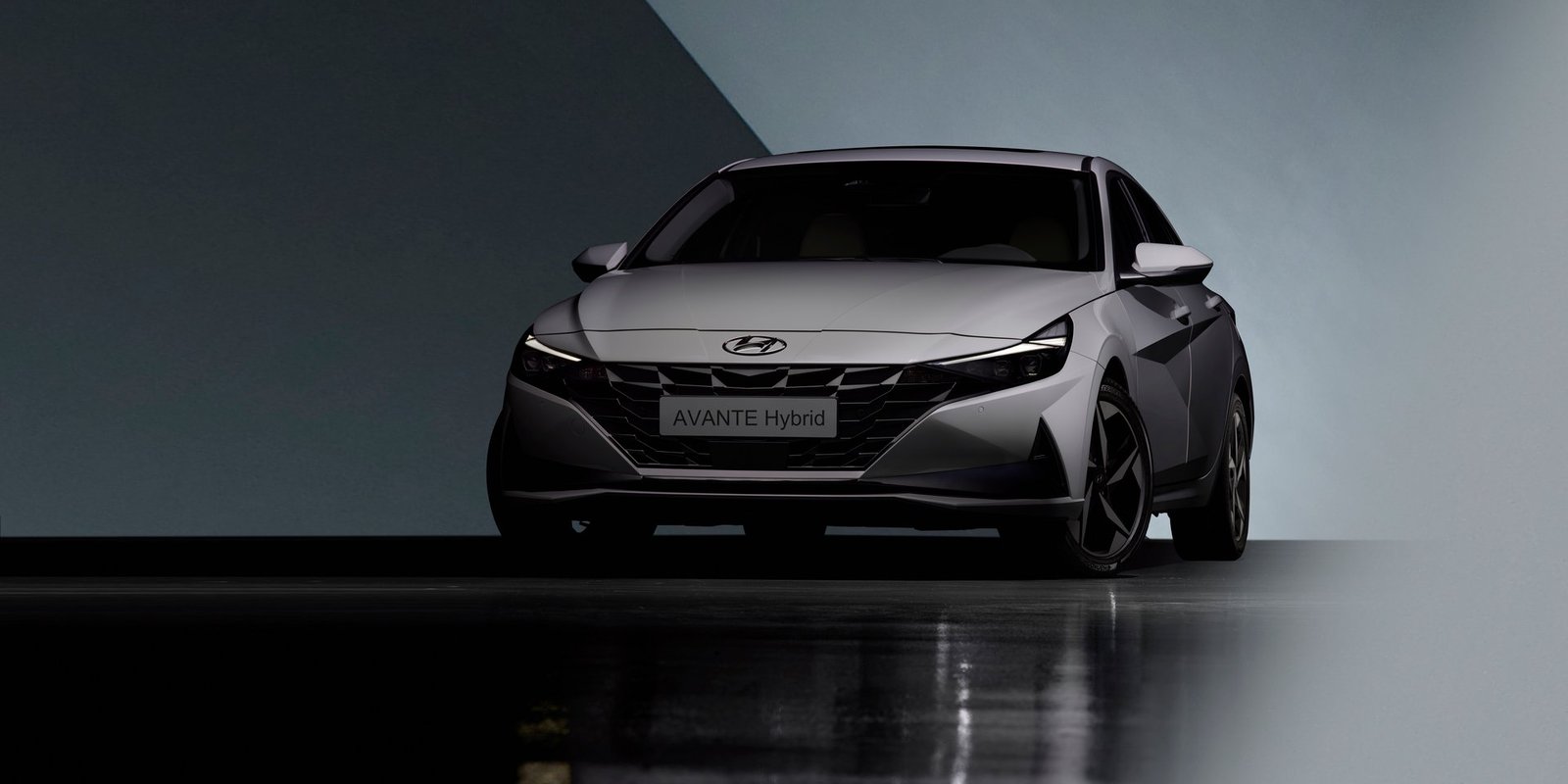
Hyundai is set to introduce its new compact electric SUV in the Indian market by the first quarter of 2027. Initially, the company had announced plans for a March 2027 launch during its CEO Investor Day in 2026. However, Tarun Garg, the Managing Director and CEO of Hyundai Motor India, later informed Autocar Professional that the electric vehicle (EV) would arrive sooner, potentially by the end of 2026. Recent updates suggest that the compact EV is now scheduled to make its debut in January 2027.
This upcoming vehicle, codenamed HE1i, will utilize Hyundai’s E-GMP (K) platform, which is also the foundation for the international Inster EV. The manufacturing of this model is set to take place at Hyundai’s plant located in Sriperumbudur, Tamil Nadu, with a design tailored specifically for Indian consumers. The compact SUV will be available in two variants: Standard Range and Long Range, although detailed specifications are yet to be disclosed.
For context, the international Inster EV offers battery options of 42kWh and 49kWh, boasting WLTP ranges of up to 300 km and 355 km respectively. The Standard Range variant produces 97 hp and 147 Nm of torque, while the Long Range variant generates 115 hp alongside the same torque output. Initially, the compact EV will be equipped with battery cells from Svolt, but Hyundai intends to transition to locally produced cells in collaboration with Exide, following some delays in Exide’s battery production capabilities.
Features and Competitors of the Hyundai Compact EV
Hyundai has confirmed that the compact electric SUV will incorporate Level 2 Advanced Driver Assistance Systems (ADAS) and a modern infotainment system. This system is expected to be the Pleos Connect, similar to those found in some of the brand’s latest models. The international version of the Hyundai Inster includes dual 10.25-inch screens for both the instrument cluster and infotainment, automatic climate control, and a 360-degree camera equipped with blind-spot monitoring features.
It remains to be seen which of these advanced features will be included in the India-specific variant of the compact EV. In terms of competition, this new model will face rivals such as the Tata Nexon EV, Mahindra XUV 3XO EV, and Kia Syros EV in the Indian electric vehicle sector.
Source: Autocar India