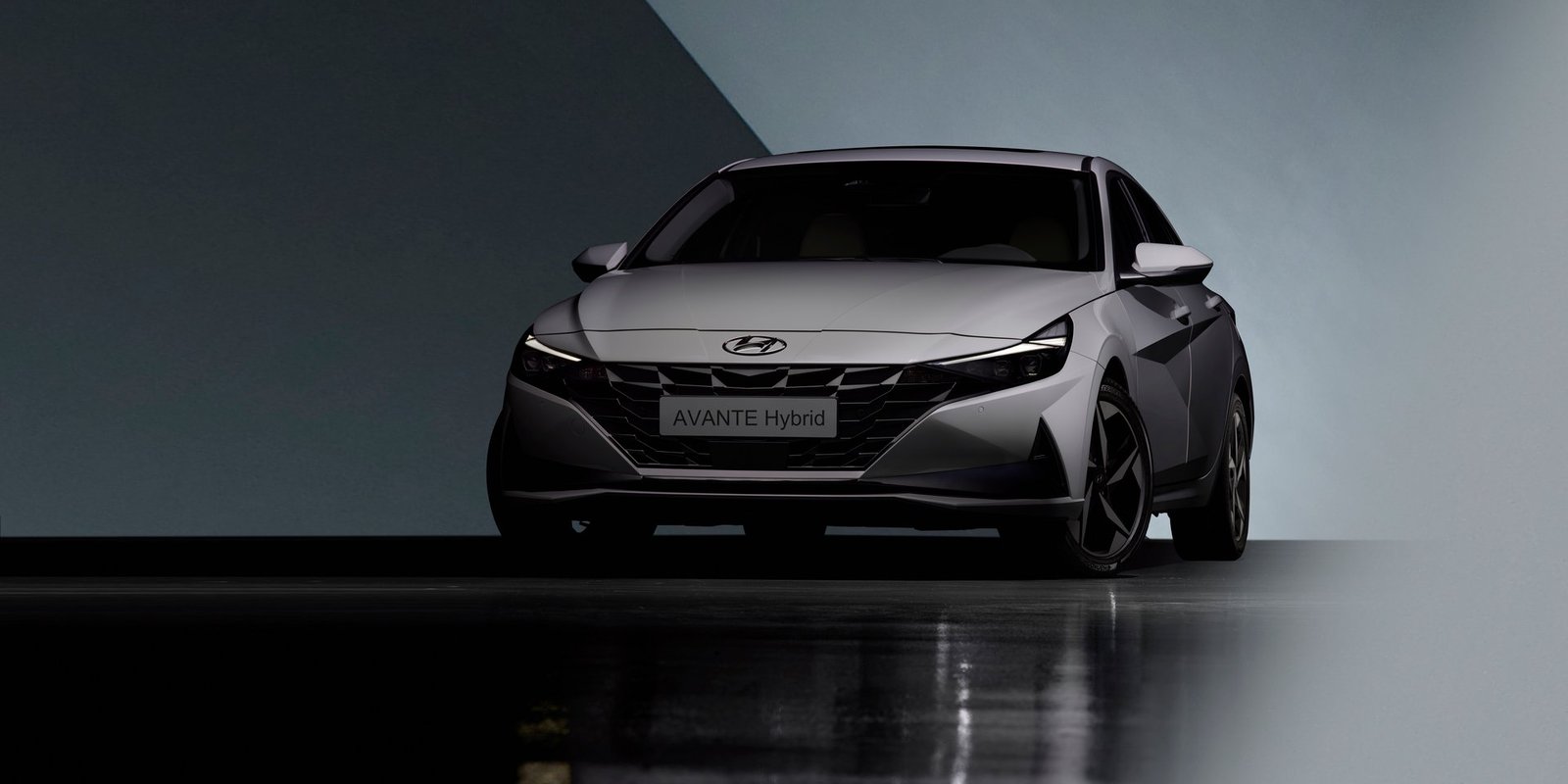
The automotive landscape in India is witnessing a notable shift as hybrid vehicles gain prominence. A multitude of hybrid cars and SUVs are on the verge of being launched, reflecting a strategic pivot by manufacturers towards this technology. Despite the ultimate aim being a transition to fully electric vehicles (EVs), the growing focus on hybrids raises important questions about the future of automotive powertrains.
During the latest episode of the Autocar Deep Drive Podcast, the discussion revolved around why carmakers are increasingly incorporating hybrid models into their lineups. Industry experts analyzed the reasons behind this trend, considering factors such as consumer demand, environmental regulations, and the current state of battery technology.
Hybrid Vehicles: A Strategic Shift
With the automotive industry under pressure to reduce emissions and improve fuel efficiency, hybrids present a viable interim solution. This shift is not just about keeping pace with global trends; it also addresses the unique challenges faced by the Indian market, including charging infrastructure and the cost of EVs.
According to the podcast, several manufacturers are re-evaluating their powertrain strategies to offer hybrids as a bridge towards full electrification. The panel discussed the anticipated models that will soon hit the Indian market, highlighting how these vehicles might appeal to a diverse customer base eager for sustainable options without compromising on performance.
Future Prospects and Upcoming Models
As carmakers gear up to unveil their hybrid offerings, the podcast emphasized the significance of consumer education and awareness. Understanding the benefits of hybrids—such as improved fuel economy, reduced emissions, and the flexibility of dual power sources—is critical for market acceptance.
The discussion also touched upon specific hybrid models in the pipeline, showcasing the exciting developments that await consumers in the coming months. This renewed focus on hybrids not only signals a strategic adaptation by manufacturers but also reflects a broader commitment to sustainability within the automotive sector in India.
Source: Autocar India