In a recent escalation of hostilities, the Saudi Arabian military successfully intercepted four drones over the capital city of Riyadh. This incident underscores the persistent threat posed by Houthi forces, who have been increasingly active since a resurgence of conflict that began in July following a prolonged period of relative calm.
Background on the Conflict
The ongoing conflict involving the Houthis, a Yemeni movement supported by Iran, has seen a significant uptick in military action against Saudi Arabia. After a lull that lasted several years, hostilities reignited in mid-2021, leading to a series of missile and drone strikes aimed at key Saudi infrastructure. The Houthis have specifically targeted critical facilities such as oil installations, commercial tankers, and airports, raising concerns about the security of the region’s energy supplies.
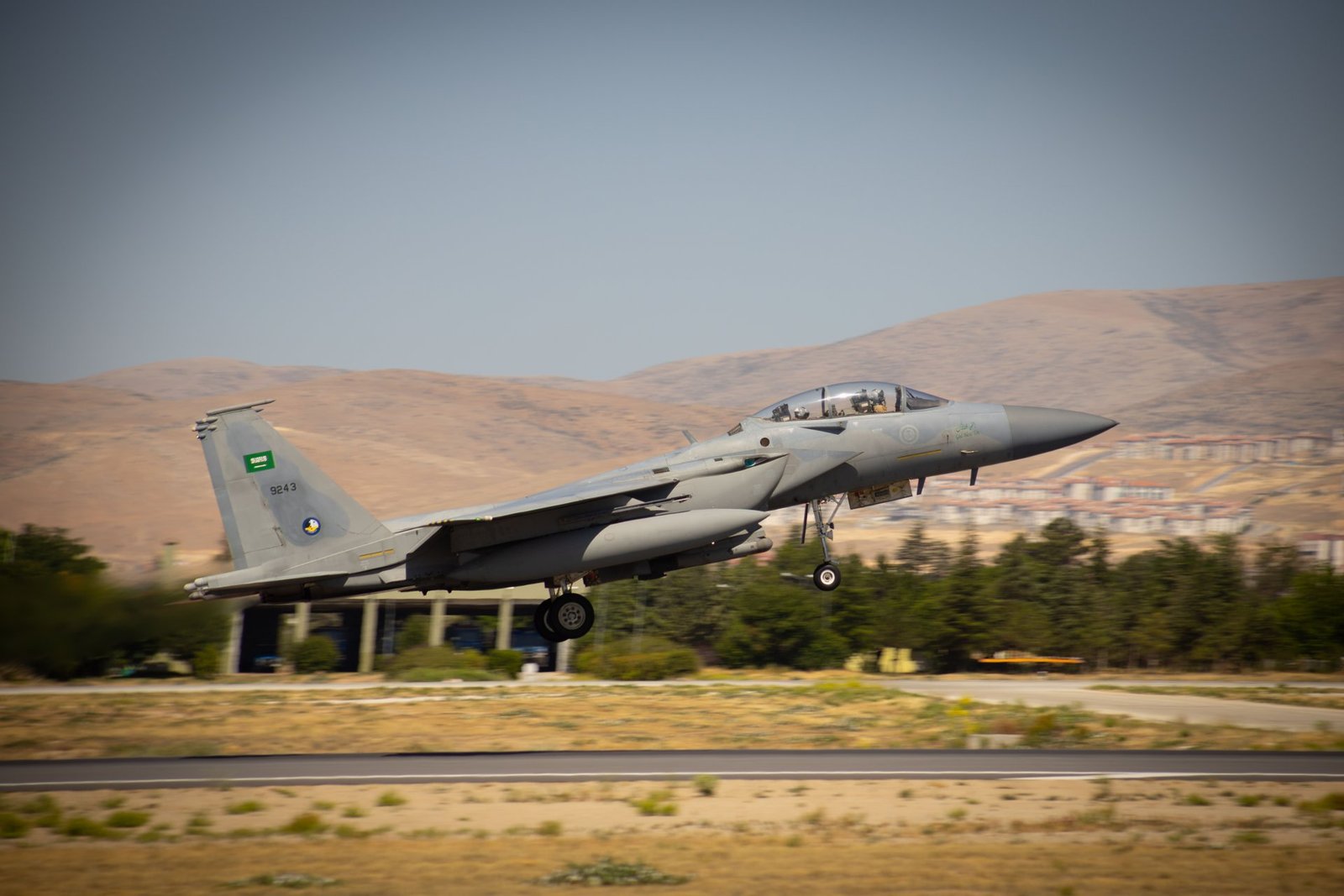
This surge in aggression has prompted the Saudi government to enhance its defensive measures, including bolstering its air defense systems to counter the increasing frequency of aerial attacks. The interception of the drones over Riyadh illustrates the kingdom’s commitment to safeguarding its airspace and protecting vital economic interests.
Significance of the Interception
The successful interception of the drones is not only a tactical victory for Saudi air defense forces but also an important signal regarding the ongoing conflict’s dynamics. The attacks on Riyadh represent a significant escalation in the Houthi’s operational reach, as they attempt to assert their capabilities and challenge Saudi Arabia’s dominance in the region.
Moreover, these events have raised alarm about the potential for broader regional instability. With Houthi forces demonstrating their ability to launch effective strikes deep into Saudi territory, there are concerns that such provocations could lead to an escalation of hostilities, prompting a stronger military response from the Saudi government and possibly drawing in other regional players.
What Lies Ahead
Looking ahead, the situation remains precarious as both sides appear unwilling to de-escalate. The Saudi government is likely to continue strengthening its defensive posture, which may include increased military expenditure and enhanced cooperation with international allies, particularly in defense technology.
On the other hand, the Houthi leadership may perceive the recent attacks as a means to bolster their bargaining position in any future negotiations. As both parties navigate this complex landscape, the international community remains watchful, urging for a peaceful resolution to the conflict that has resulted in significant humanitarian crises in Yemen.
In summary, the interception of the drones over Riyadh highlights the ongoing threat posed by Houthi forces amid a renewed conflict. As both sides prepare for the next phase of hostilities, the implications for regional security and international relations remain significant.
Source: NDTV India