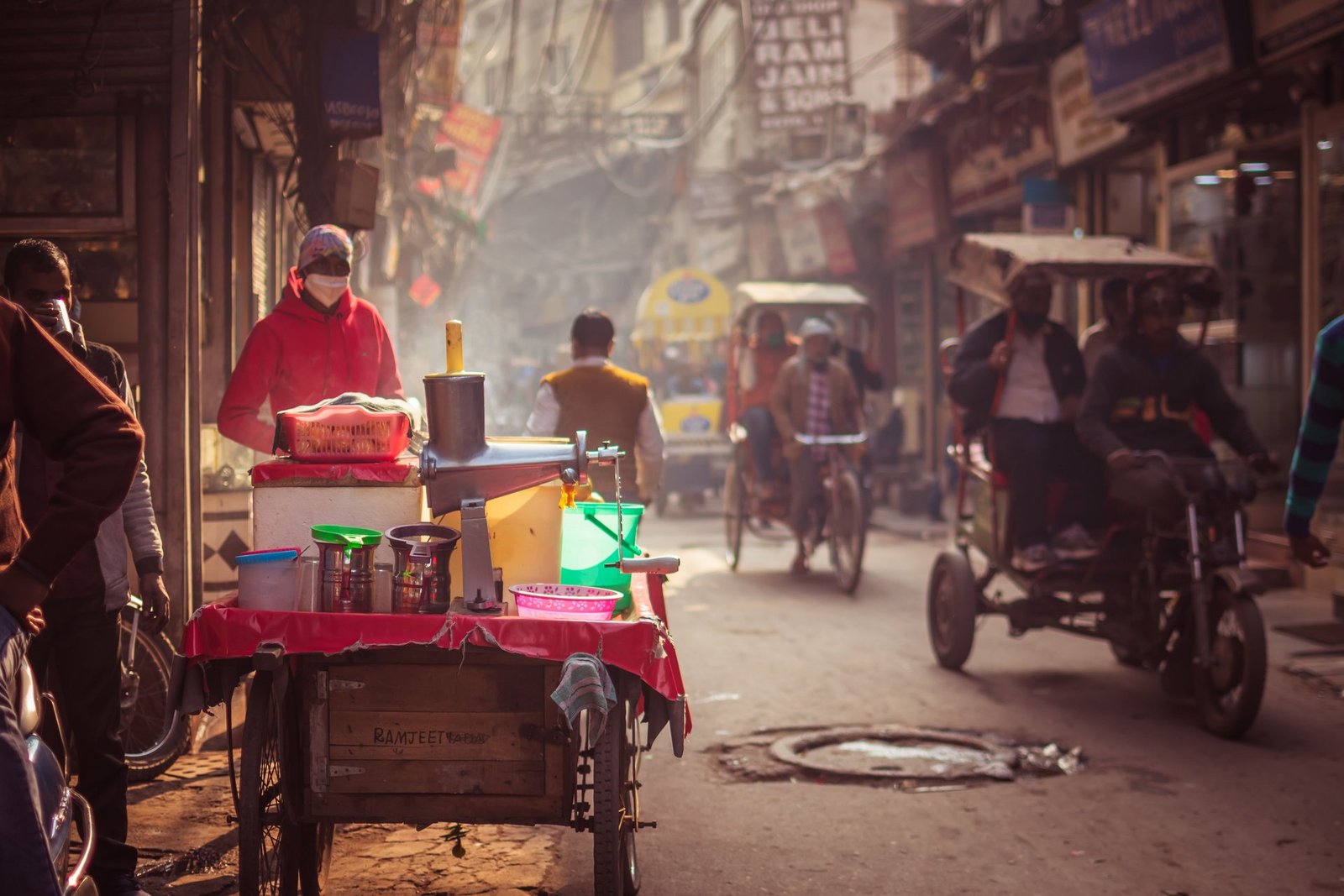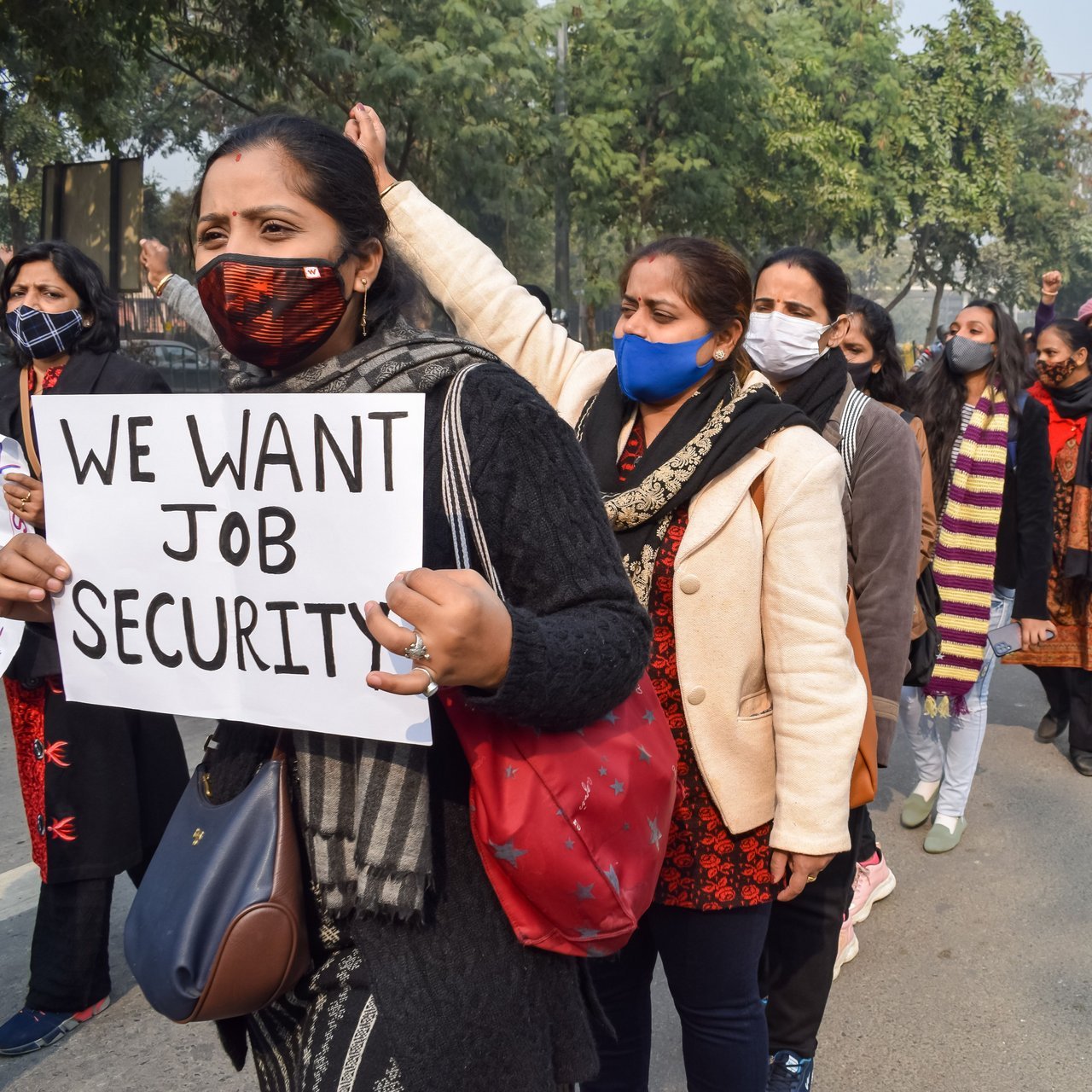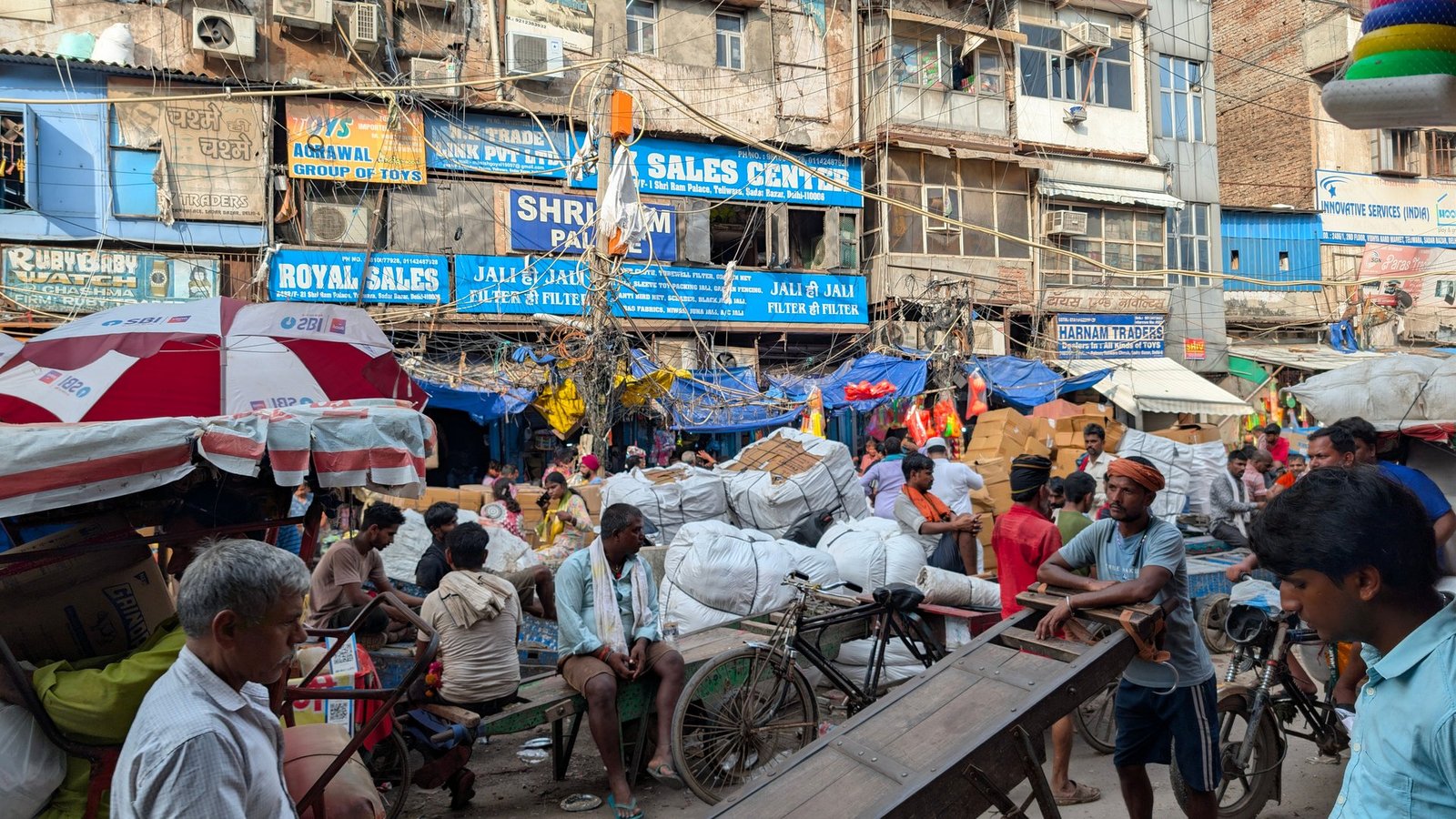
As the festival of Diwali approaches, traders in Delhi are raising alarms about the potential impact of planned protests on their businesses. They have estimated that a disruption caused by these protests could result in losses amounting to approximately Rs 10,000 crore. The traders are particularly concerned due to the timing, as the weeks leading up to Diwali are critical for sales and deliveries in the bustling markets of the city.
Significance of Location
According to local traders, the Ramlila Maidan has been identified as a key location for the protests. Its proximity to several major wholesale markets, including Sadar Bazar, Chandni Chowk, Khari Baoli, and Chawri Bazar, heightens their concerns. These markets are essential hubs for trade and commerce, especially during the festive season when consumer spending typically spikes.
The weeks running up to Diwali are crucial for these markets, as they prepare for an influx of customers seeking festive goods. Traders rely on this period to boost their sales, and any disruption can significantly affect their revenue and operations. The traders fear that protests could lead to roadblocks, reduced foot traffic, and general unease among consumers, all of which could deter shoppers from making purchases.
Potential Economic Implications
The traders’ warnings highlight a broader concern regarding the economic health of the region as it prepares for one of the most significant festivals of the year. The projected Rs 10,000 crore loss underscores the stakes involved, not only for individual businesses but also for the local economy, which thrives on the retail activity during this festive season.
Moreover, the protests raise questions about the balance between the right to demonstrate and the impact such actions can have on local economies. With traders already facing challenges due to previous disruptions and the ongoing effects of the pandemic, the prospect of additional obstacles is particularly troubling.
Looking Ahead: What Comes Next?
As the situation develops, traders are calling for dialogue and solutions that would allow for both the right to protest and the necessity of maintaining economic activity. They emphasize the importance of finding a middle ground that respects the voices of those participating in the protests while also ensuring that businesses can operate effectively during this critical time.
With Diwali just around the corner, the urgency of addressing these concerns is paramount. Local authorities and trade associations may need to engage in discussions to mitigate the potential impacts of the protests on the economy and to assure a smoother festive season for both traders and consumers. How these negotiations unfold will be crucial in determining the outcome of this situation, impacting the livelihood of countless traders across Delhi.
Source: NDTV India