In a significant policy shift, India has announced that starting from the 2026-27 supply year, sugar-based ethanol will not be eligible for inclusion in tenders related to petrol blending. This decision was made public following the release of a tender by Bharat Petroleum Corporation Ltd (BPCL) on October 16, which solicits bids for approximately 11 billion litres of ethanol.
The tender is part of India’s broader plan to enhance the blending of ethanol in petrol, aiming for a target of 20 percent ethanol in fuel. This initiative is seen as a crucial step towards reducing the country’s dependence on fossil fuels and promoting sustainable energy sources.
Details of the Tender
The tender issued by BPCL represents a significant move by oil marketing companies (OMCs) to secure sufficient quantities of ethanol to meet the government’s ambitious blending targets. The tender period is set to commence in November, aligning with the country’s renewable energy goals.
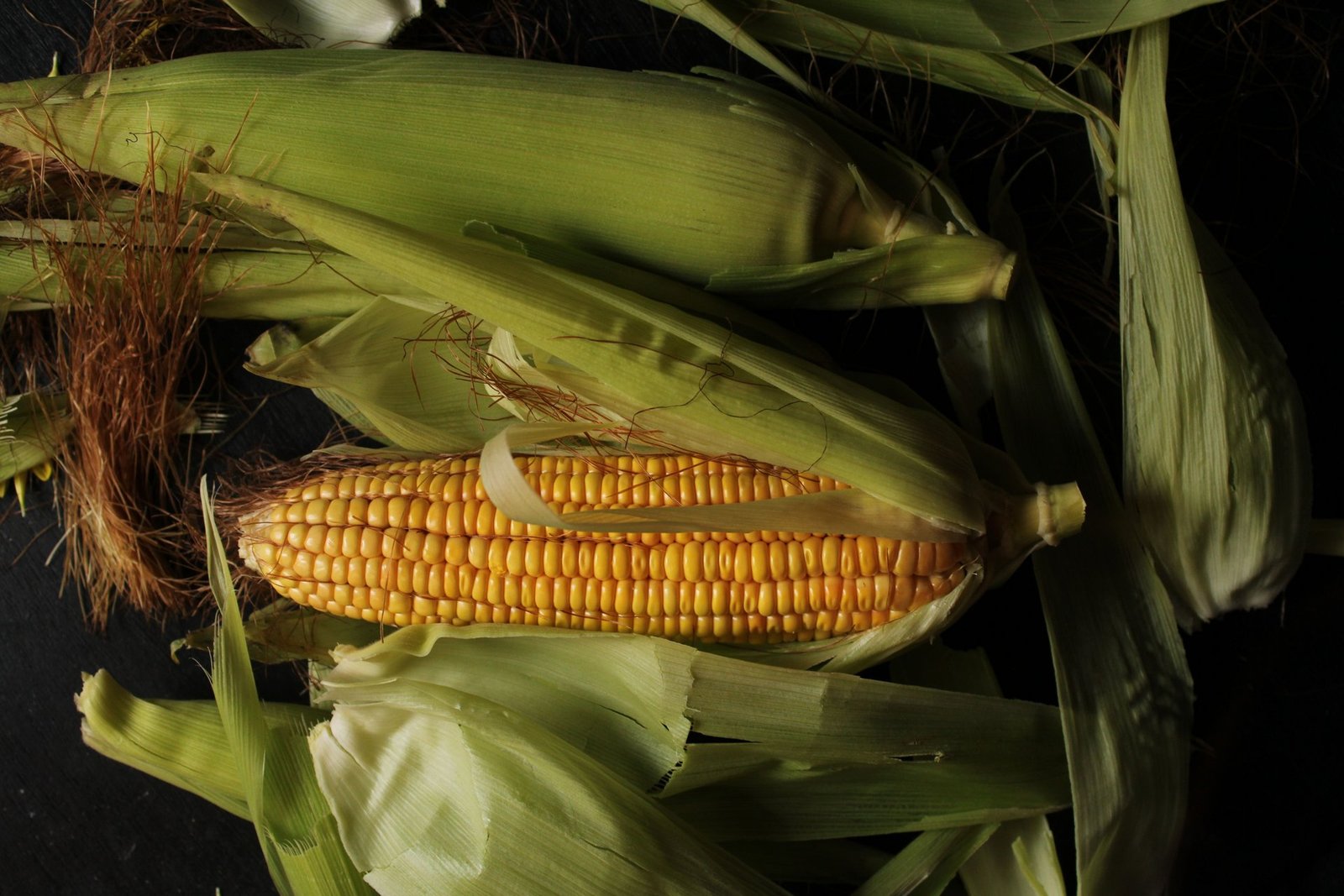
By specifying that only non-sugar-based ethanol will be accepted, the government is likely aiming to diversify the sources of ethanol production, possibly encouraging the use of other feedstocks such as agricultural waste or grains. This shift could help mitigate the economic impact on sugar producers while promoting a more sustainable ethanol market.
Implications for the Ethanol Industry
The exclusion of sugar-based ethanol from future tenders may have far-reaching implications for India’s ethanol industry. Sugar producers, who have historically been major suppliers of ethanol, could face challenges adapting to the new policy landscape. This transition may lead to increased competition among alternative ethanol producers.
Industry analysts suggest that this move could encourage investment in the production of non-sugar-based ethanol, which may also lead to advancements in technology and methods for producing biofuels. This is particularly relevant as India strives to meet its renewable energy commitments outlined in various international agreements.
Next Steps in the Ethanol Blend Initiative
As the tender process unfolds, stakeholders in the ethanol and fuel sectors will be closely monitoring how these changes affect pricing and supply dynamics in the coming years. The successful implementation of the 20 percent ethanol blend in petrol will not only support India’s energy security but also contribute to the reduction of greenhouse gas emissions.
Looking ahead, it will be essential for the government and industry players to collaborate effectively to ensure that the transition to non-sugar-based ethanol is both economically viable and environmentally sustainable. The evolution of this policy will likely shape the future of India’s energy landscape and its commitment to renewable resources.
Source: NDTV India