The Indian agricultural landscape, a vital component of the nation’s economy valued at approximately $300 billion, stands at a crossroads as the El Nino phenomenon begins to unfold. This climatic event, which was officially declared just weeks ago, is anticipated to have profound implications for the country’s farming activities and food security.
El Nino is characterized by the warming of ocean surface temperatures in the central and eastern Pacific, which can significantly influence global weather patterns. In India, its effects are often felt through alterations in monsoon patterns, which are critical for crop production. However, the complexities of meteorological interactions mean that attributing changes solely to El Nino can be misleading.
While it is too early to determine the exact impact of this year’s El Nino on the monsoon, experts highlight that the phenomenon is just one of many variables influencing weather conditions. The monsoon season typically plays a crucial role in replenishing groundwater and irrigating crops, making any disruptions particularly concerning for farmers who depend on timely rainfall.
Understanding the Monsoon’s Complexity
The monsoon is influenced by a myriad of factors including atmospheric pressure, temperature variations, and ocean currents. Consequently, the interaction between these elements can lead to unpredictable weather patterns. Scientists emphasize that although El Nino is a significant player in the global climate system, it is not the sole determinant of India’s monsoon dynamics.
Historically, the arrival of the monsoon has been affected by various climatic anomalies that can either delay or enhance rainfall. Therefore, while El Nino’s presence is notable, it is essential to consider other climatic influences that may be at play. This multifaceted nature of weather patterns necessitates ongoing research and monitoring to better prepare for its potential impacts on agriculture.
Implications for Farmers and the Economy
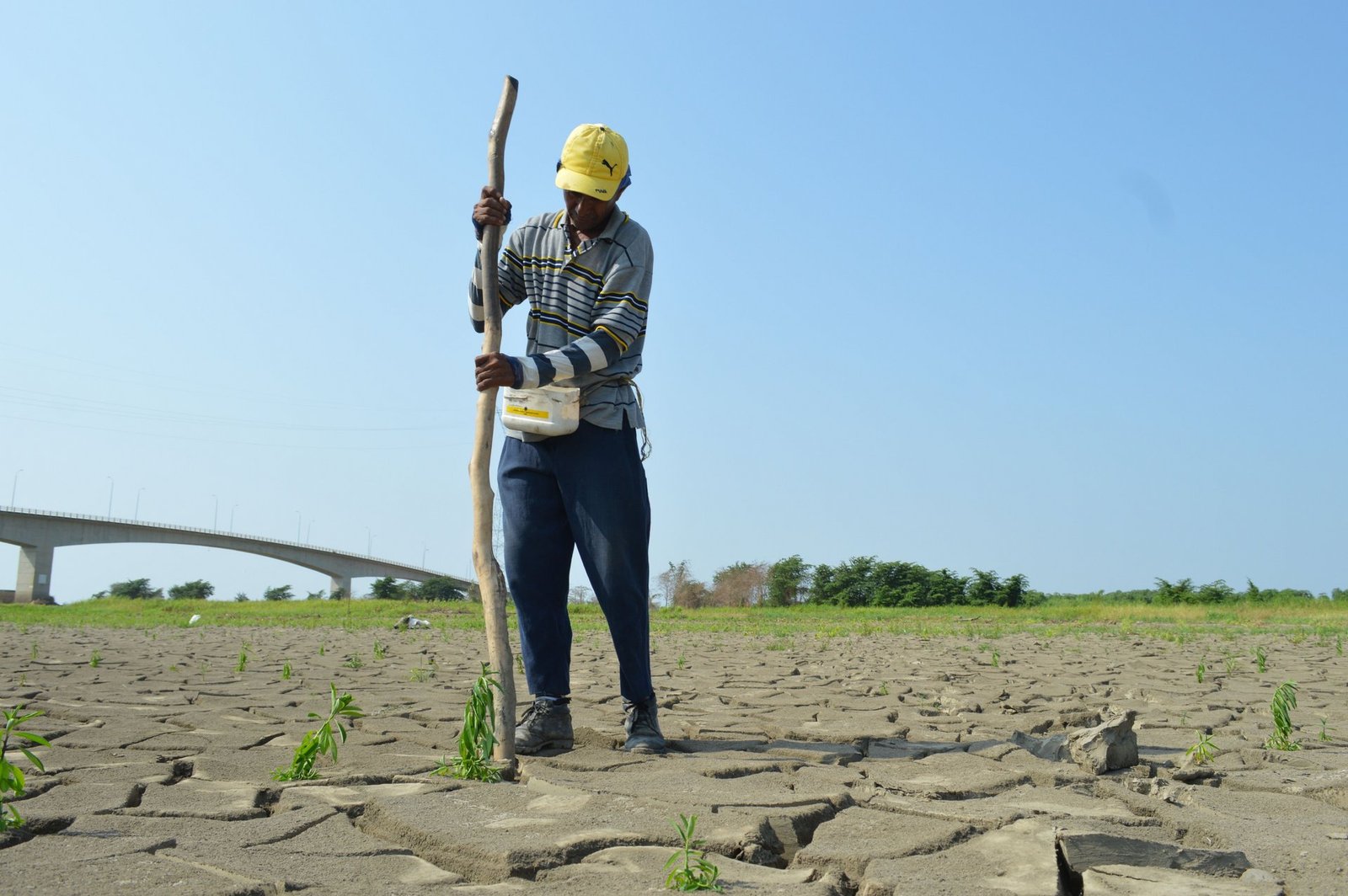
For the agricultural sector, the uncertainty surrounding the monsoon’s behavior poses significant risks. A delayed or insufficient monsoon could jeopardize crop yields, leading to economic repercussions for farmers and the broader economy. This is particularly critical given that a substantial portion of the Indian population relies on agriculture for their livelihood.
Farmers are urged to adopt adaptive measures, such as diversifying crops and utilizing advanced irrigation techniques, to mitigate the potential adverse effects of erratic weather patterns. Additionally, government and agricultural organizations must enhance support systems to assist farmers in navigating these challenges.
Looking Ahead
As the season progresses, it will be essential to monitor the development of El Nino and its influence on the monsoon closely. Stakeholders in the agricultural sector, including policymakers, researchers, and farmers, should remain vigilant and proactive in addressing the potential challenges posed by this climatic phenomenon.
In summary, while El Nino is set to impact India’s agricultural landscape, understanding the full picture requires an appreciation of the intricate web of factors that govern monsoon dynamics. By fostering resilience within the farming community and enhancing predictive capabilities, India can better prepare for the uncertainties of climate change and its implications for food security and economic stability.
Source: NDTV India