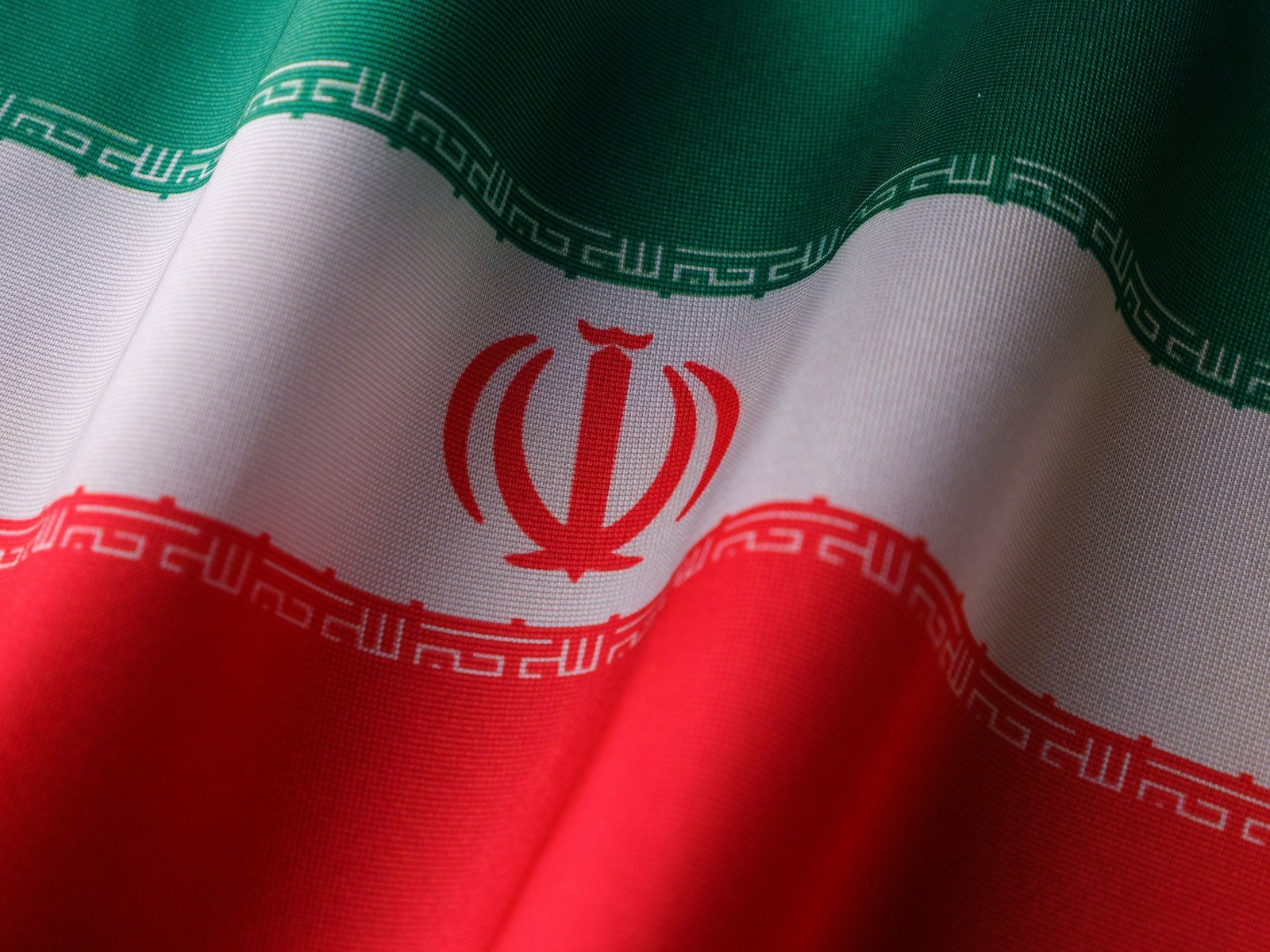
The Iranian government has made a definitive statement regarding its enriched uranium stockpile, firmly rejecting any proposals to move this material out of the country. Rezaei, who serves as the secretary of the Supreme National Security Council of Iran, emphasized that the nation will not allow even a small quantity of enriched uranium to be exported.
This strong stance highlights Iran’s view of enriched uranium as a vital component of its national resources. According to Rezaei, these materials are not only crucial for the country’s nuclear ambitions but are also considered a significant asset and a source of national wealth for the Iranian populace.
The implications of this declaration are profound, particularly in light of ongoing international discussions surrounding nuclear non-proliferation and sanctions. Iran’s commitment to retaining its enriched uranium within its borders signals an unwillingness to compromise on what it perceives as a fundamental right to develop its nuclear technology.
Context of Iran’s Nuclear Program
The controversy surrounding Iran’s nuclear program has been a point of contention in global politics for many years. Various nations, particularly those in the West, have expressed concerns about the potential for nuclear weapons development. As a response to these fears, international agreements, including the Joint Comprehensive Plan of Action (JCPOA), were established to limit Iran’s nuclear activities in exchange for relief from economic sanctions.
However, the U.S. withdrawal from the JCPOA in 2018 and the subsequent re-imposition of sanctions have significantly strained relations between Iran and Western powers. This has led to an escalation in tensions and a renewed focus on Iran’s nuclear capabilities.
Future Implications
Iran’s declaration about enriched uranium is likely to affect future negotiations with world powers. As the nation maintains its hardline stance, it poses challenges to diplomatic efforts aimed at curbing nuclear proliferation. The international community will need to navigate these challenges carefully, balancing concerns over nuclear security with diplomatic engagement.
The decision to retain enriched uranium within Iran not only has implications for its internal policies but also for regional stability and security. Countries in the Middle East are closely monitoring Iran’s nuclear developments, fearing the potential for an arms race in a region already fraught with geopolitical tensions.
Moving forward, the spotlight will remain on Iran as it continues to assert its position regarding its nuclear program. The global community will likely respond with renewed scrutiny and diplomatic efforts to address the ongoing complexities of Iran’s nuclear ambitions.
Source: NDTV India