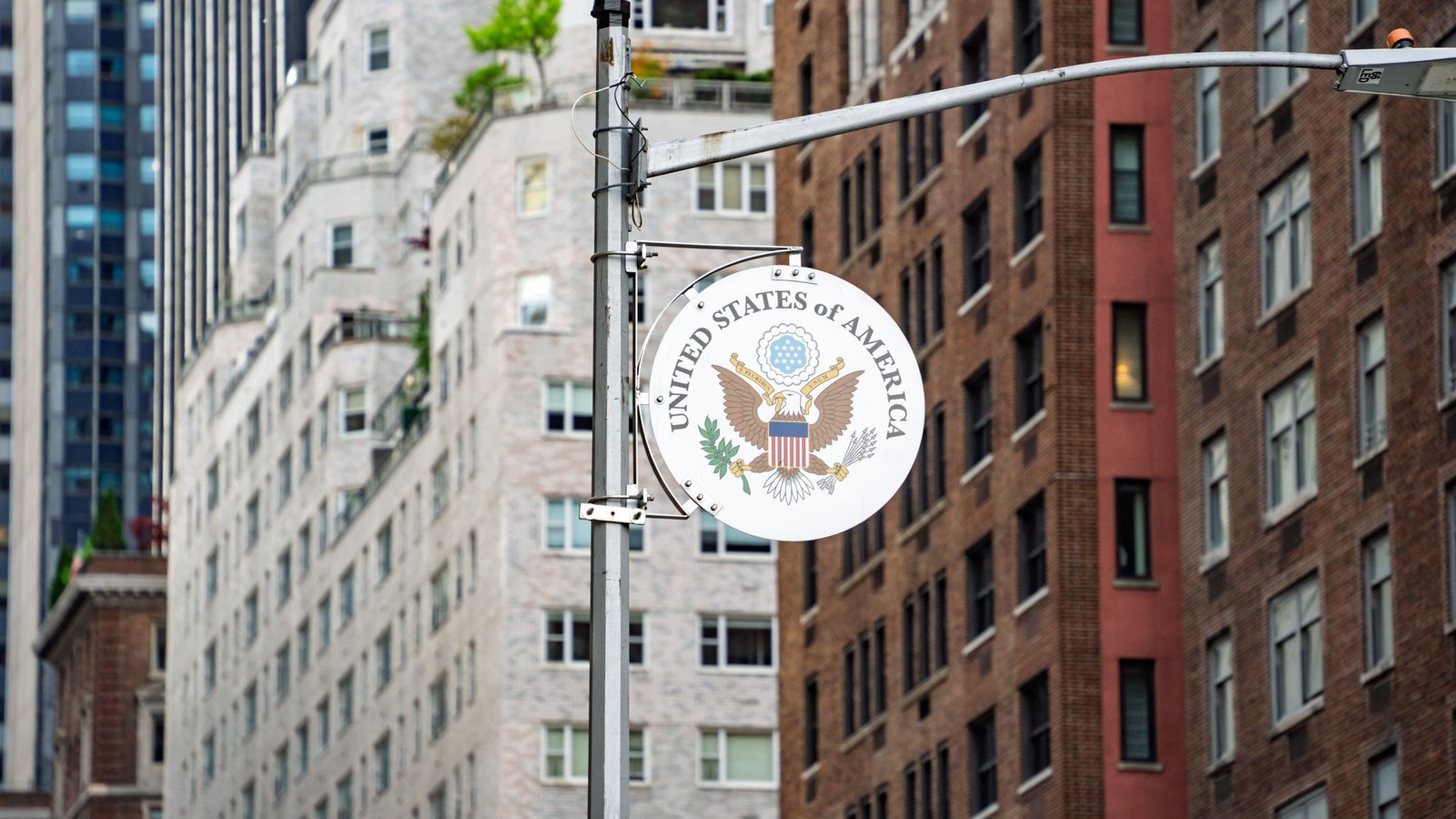
In light of escalating tensions in the Middle East, the United States has directed its embassy staff to vacate their posts in Saudi Arabia. This decision comes as Houthi attacks intensify, raising concerns about the safety of American diplomats and their families in the region.
The U.S. State Department has reported that not only have embassy personnel in Saudi Arabia been ordered to leave, but the evacuation extends to their families stationed in several other countries. Specifically, families of U.S. embassy staff in the United Arab Emirates, Jordan, Qatar, and Bahrain are also being relocated. This precautionary measure highlights the perceived threat posed by Iran and its allied forces amid ongoing hostilities in the area.
The Houthi movement, which is backed by Iran, has claimed responsibility for various attacks targeting U.S. interests and allies in the Middle East. As the conflict continues to escalate, American officials are taking proactive steps to ensure the safety of their personnel. The situation remains volatile, with potential implications for U.S. foreign policy and relations in the region.
Background on the Houthi Conflict
The Houthis, a political and armed movement from Yemen, have been a significant actor in the regional conflict, often engaging in cross-border attacks against Saudi Arabia and its allies. Their actions have drawn international attention, particularly from the United States, which views these aggressions as part of a broader Iranian strategy to expand its influence in the region.
The ongoing war in Yemen has created a humanitarian crisis, further complicating the geopolitical landscape. As hostilities continue, the United States faces the challenge of balancing its diplomatic efforts with the need to protect its citizens abroad.
Implications of the Evacuation Order
The evacuation of embassy personnel is a clear indication of the increasing risks associated with U.S. involvement in the Middle East. Such decisions often reflect a shift in the security environment, prompting a reassessment of diplomatic missions.
This move could have significant implications for U.S. foreign policy in the region, potentially signaling a more cautious approach towards engagement in Middle Eastern conflicts. It also raises questions about the future of American diplomatic efforts in countries that are experiencing rising tensions due to Iranian influence.
As the situation develops, further assessments will be crucial in determining the next steps for the U.S. and its allies in addressing the challenges posed by the Houthis and Iran. The international community is closely monitoring the developments, as any escalation of conflict could have far-reaching consequences beyond the immediate region.
Source: NDTV India