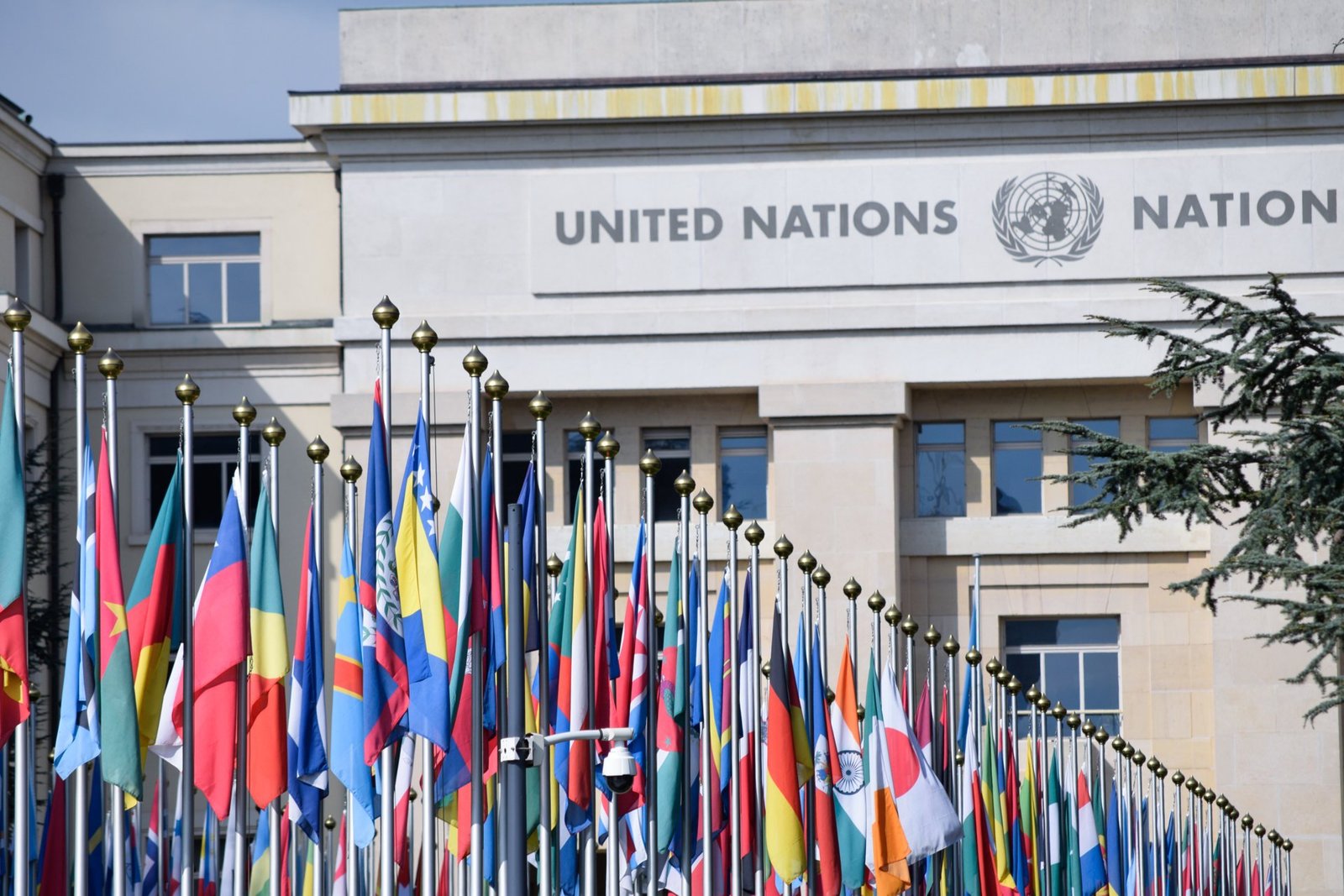
India has issued a strong rebuke to a United Nations rapporteur for comments made regarding faith and religious freedom. The remarks came in light of recent discussions surrounding the treatment of soldiers and the handling of their remains. The Indian government expressed particular concern over the rapporteur’s emphasis on these issues without acknowledging past events involving Pakistan.
Context of the Criticism
In a pointed statement, Bhavika Mangalanandan, First Secretary at India’s Permanent Mission to the UN, highlighted a significant contradiction. She noted that Pakistan, which has engaged in discussions about faith and religious practices, has a history that raises questions about its commitment to these values. Specifically, she referred to the 1999 Kargil conflict, during which Pakistani authorities did not accept the bodies of their own soldiers.
This situation, according to Mangalanandan, underscores the irony in Pakistan’s stance on religious freedom and burial practices. By failing to honor its own fallen soldiers, Pakistan’s claims about prioritizing faith and respect for the dead are called into question.
The Kargil Conflict and Its Aftermath
The Kargil War, which took place in the summer of 1999, was a significant conflict between India and Pakistan. It involved military engagements in the Kargil district of Jammu and Kashmir, resulting in the loss of many lives on both sides. The aftermath of the war left a lasting impact on the relationship between the two countries.
During this conflict, numerous soldiers from both nations lost their lives, and the handling of their remains has been a sensitive issue. The refusal of Pakistan to accept the bodies of its soldiers has been a point of contention, particularly in discussions about military honor and respect for the deceased. This aspect of the conflict was highlighted by India in its recent comments to the UN, illustrating the complexity of the situation and the broader implications for bilateral relations.
Implications for International Discourse
The remarks from India reflect broader concerns about how nations present their narratives on issues of faith and human rights on international platforms such as the UN. This incident raises questions about the consistency of states’ positions regarding such values, especially when historical actions may contradict their current rhetoric.
Mangalanandan’s statements serve not only as a critique of Pakistan but also as a reminder to the international community about the need for a nuanced understanding of the region’s complexities. As discussions on religious freedom and human rights continue at the UN, the Indian government aims to ensure that historical context and factual accuracy are not overlooked.
What Lies Ahead
As the dialogue on religious freedom and military honor unfolds, India’s comments are likely to resonate in future discussions at the United Nations. This exchange highlights the importance of accountability and transparency in addressing sensitive issues related to faith and national honor.
Moving forward, it will be essential for both India and Pakistan to engage in constructive dialogue that acknowledges historical grievances while also promoting peace and understanding. The international community will be watching closely as these discussions evolve, particularly in light of the ongoing challenges both nations face in fostering bilateral relations.
Source: NDTV India