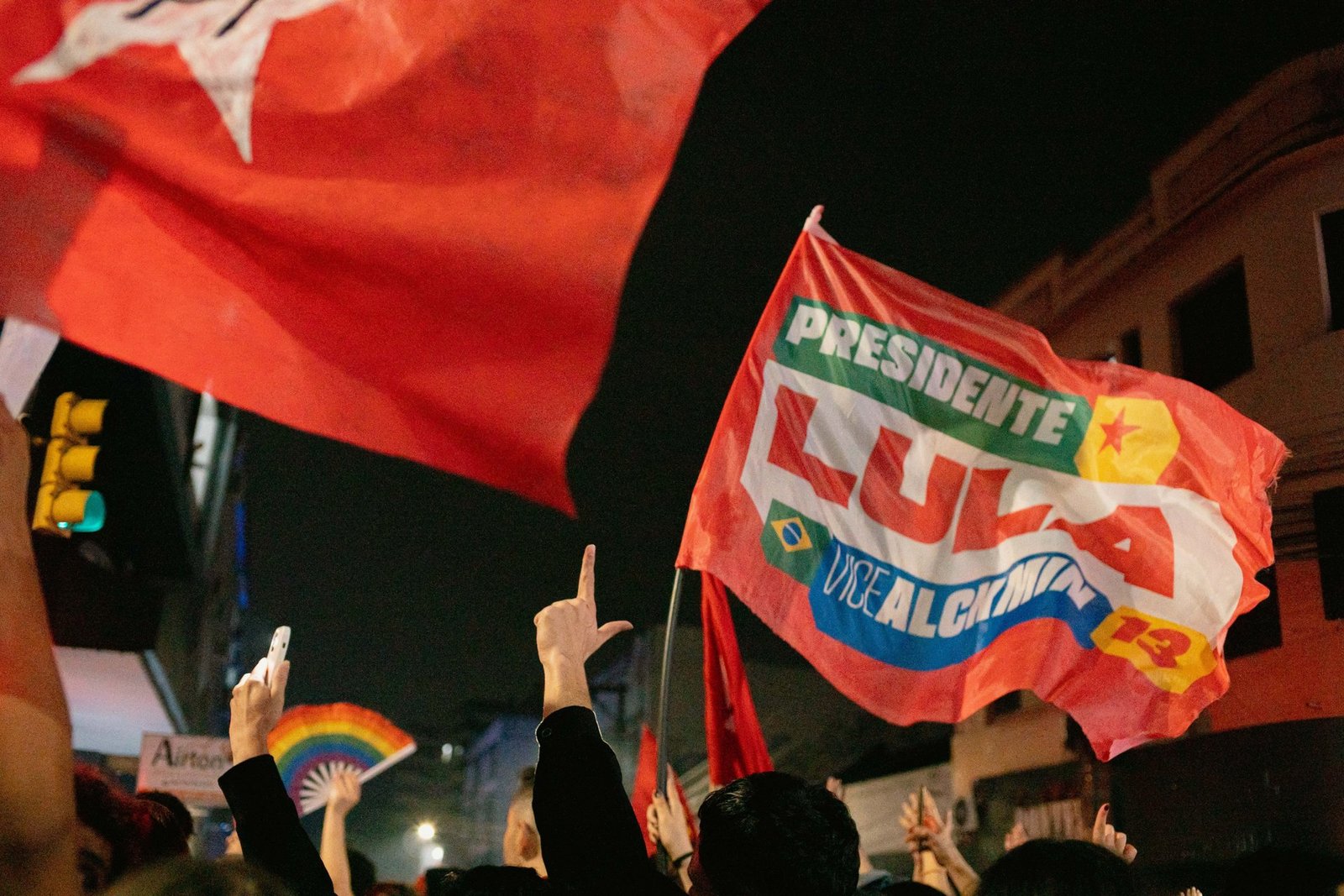
In a surprising turn of events, Luiz Inácio Lula da Silva, commonly known as Lula, has been reelected as Brazil’s president, marking an unprecedented fourth term in office. This election victory not only underscores Lula’s enduring influence in Brazilian politics, but it also represents a significant setback for the political faction associated with former President Jair Bolsonaro.
Lula’s political journey has spanned over four decades, characterized by his rise from humble beginnings to become one of Brazil’s most iconic leaders. His previous terms in office, during which he implemented a series of social programs aimed at reducing poverty, have left a lasting impact on the nation. His latest victory, however, comes against a backdrop of intense political polarization in Brazil.
The election results indicate a clear rejection of Bolsonaro’s administration and its policies, which have garnered both staunch support and fierce criticism during his tenure. Lula’s comeback reflects a desire among voters for an alternative to Bolsonaro’s right-wing agenda.
Political Implications of Lula’s Victory
Lula’s return to power is expected to reshape Brazil’s political landscape significantly. His administration is likely to focus on progressive policies aimed at addressing issues such as income inequality, climate change, and social welfare. Analysts suggest that Lula’s leadership may restore Brazil’s reputation on the international stage, particularly in terms of environmental commitments.
This election marks a turning point for Brazil, as Lula’s victory could lead to a shift in domestic and foreign policies that prioritize social justice and economic reform. The implications of this election extend beyond Brazil’s borders, as Lula’s approach to governance may influence regional dynamics in South America.
Next Steps for Lula and His Administration
As Lula prepares to take office once again, the immediate focus will be on forming a government capable of navigating the challenges ahead. His administration will need to address pressing issues such as economic recovery post-pandemic, public health, and the ongoing impacts of climate change.
Furthermore, Lula faces the task of uniting a divided country. With Bolsonaro supporters still holding a significant presence in Brazilian politics, fostering national cohesion will be crucial for effective governance. Lula’s ability to bridge these divides will likely determine the success of his administration.
In conclusion, Lula’s election to a fourth term not only signifies a remarkable personal achievement but also reflects a broader desire for change among the Brazilian electorate. As he embarks on this new chapter in his political career, the eyes of the world will be watching how he leads Brazil through its most pressing challenges.
Source: NDTV India