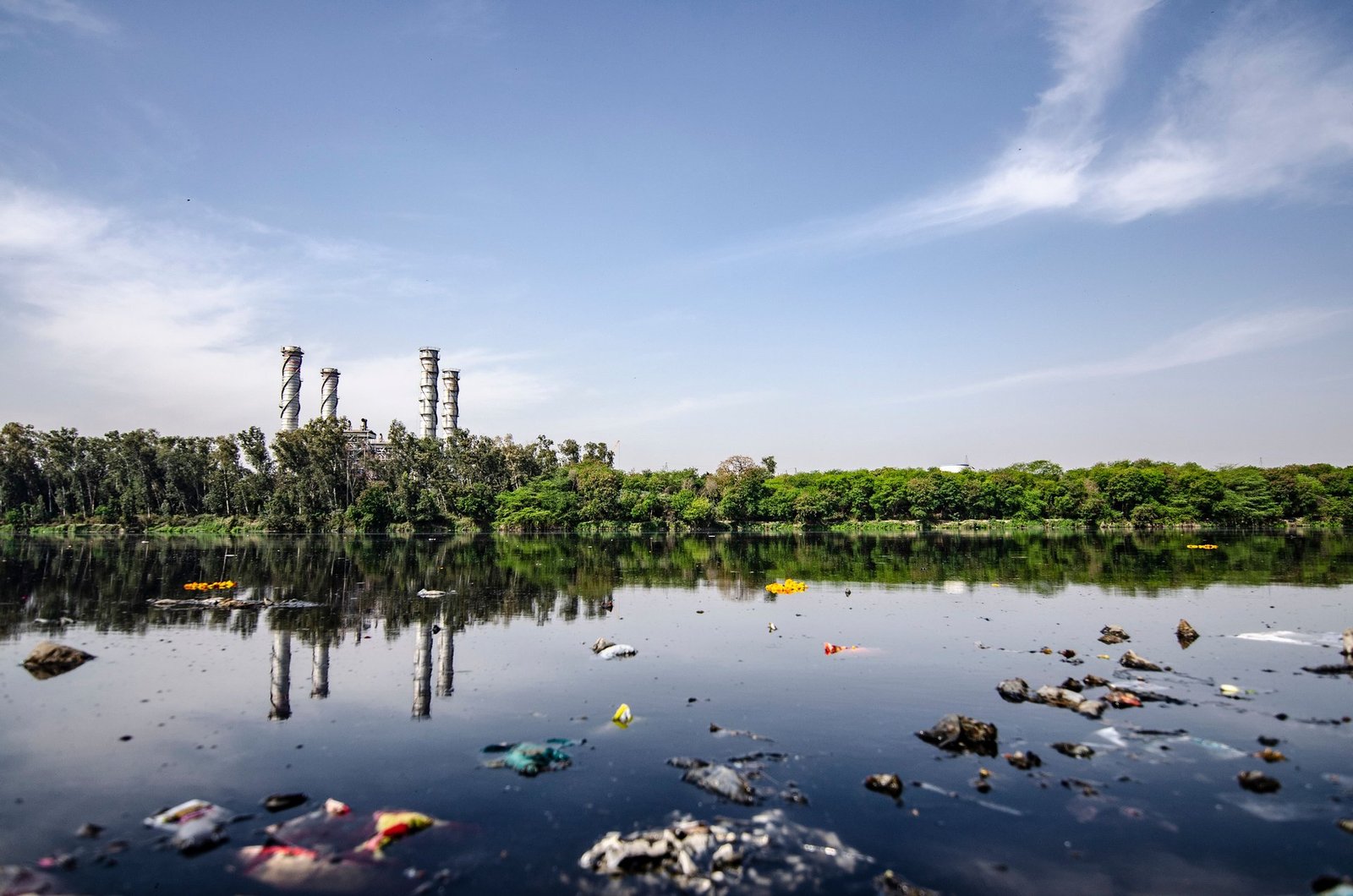
As winter descends upon Delhi, the city is once again grappling with severe air pollution, prompting the reinstatement of measures aimed at curbing the hazardous conditions. The air quality in the capital has reached alarming levels, a recurring issue that escalates during the colder months due to various factors, including weather patterns and increased activity from construction and vehicular emissions.
Historical Context of Pollution Control Measures
Delhi’s government has a history of implementing structured pollution control measures during the winter months. These measures are part of a broader strategy to combat the city’s notorious air quality issues, particularly evident during the winter season when the Air Quality Index (AQI) often spirals into the ‘very unhealthy’ and ‘hazardous’ categories.
Past data indicates that the introduction of Stage IV of the pollution control plan has led to significant improvements in air quality. For instance, on January 17, 2026, the AQI was recorded at a staggering 400. However, within just a week of implementing Stage IV measures, this figure plummeted to 192, showcasing a dramatic turnaround in air quality.
This pattern was echoed in November 2023, where the AQI decreased from a concerning level of 454 to 218 following similar measures. These instances suggest that the implementation of stringent pollution control protocols can indeed lead to a marked improvement in air quality, at least temporarily.
Current Measures and Their Implications
The reintroduction of pollution control measures for this winter is essential not only for public health but also for mitigating the long-term environmental impacts associated with poor air quality. The government’s response includes a range of actions such as restricting vehicular movement, shutting down construction activities, and promoting the use of public transport.
These interventions are designed to reduce emissions from major sources contributing to air pollution. The effectiveness of these measures is critical as residents and officials alike are keen to see tangible results in the form of improved air quality metrics. The community’s health, particularly among vulnerable populations such as children and the elderly, heavily relies on the success of these initiatives.
Looking Ahead: What Can Be Expected?
As Delhi revisits its pollution control strategy, the key question remains: will these measures yield the desired outcomes in air quality? Historical data offers a glimmer of hope, indicating that such interventions can lead to substantial reductions in AQI levels over a short period. However, the sustainability of these improvements is also a critical consideration.
Experts suggest that while immediate measures can provide relief, a more comprehensive approach addressing the root causes of pollution is necessary for long-term benefits. This includes investments in green technologies, stricter regulations on industrial emissions, and enhanced public awareness campaigns regarding pollution and its health impacts.
In conclusion, as Delhi embarks on another winter of pollution management, the effectiveness of the curbs will be closely monitored by both the public and environmental advocates. The hope is that with continued efforts and commitment, the city can achieve not only temporary relief but also pave the way for a healthier environment in the future.
Source: NDTV India