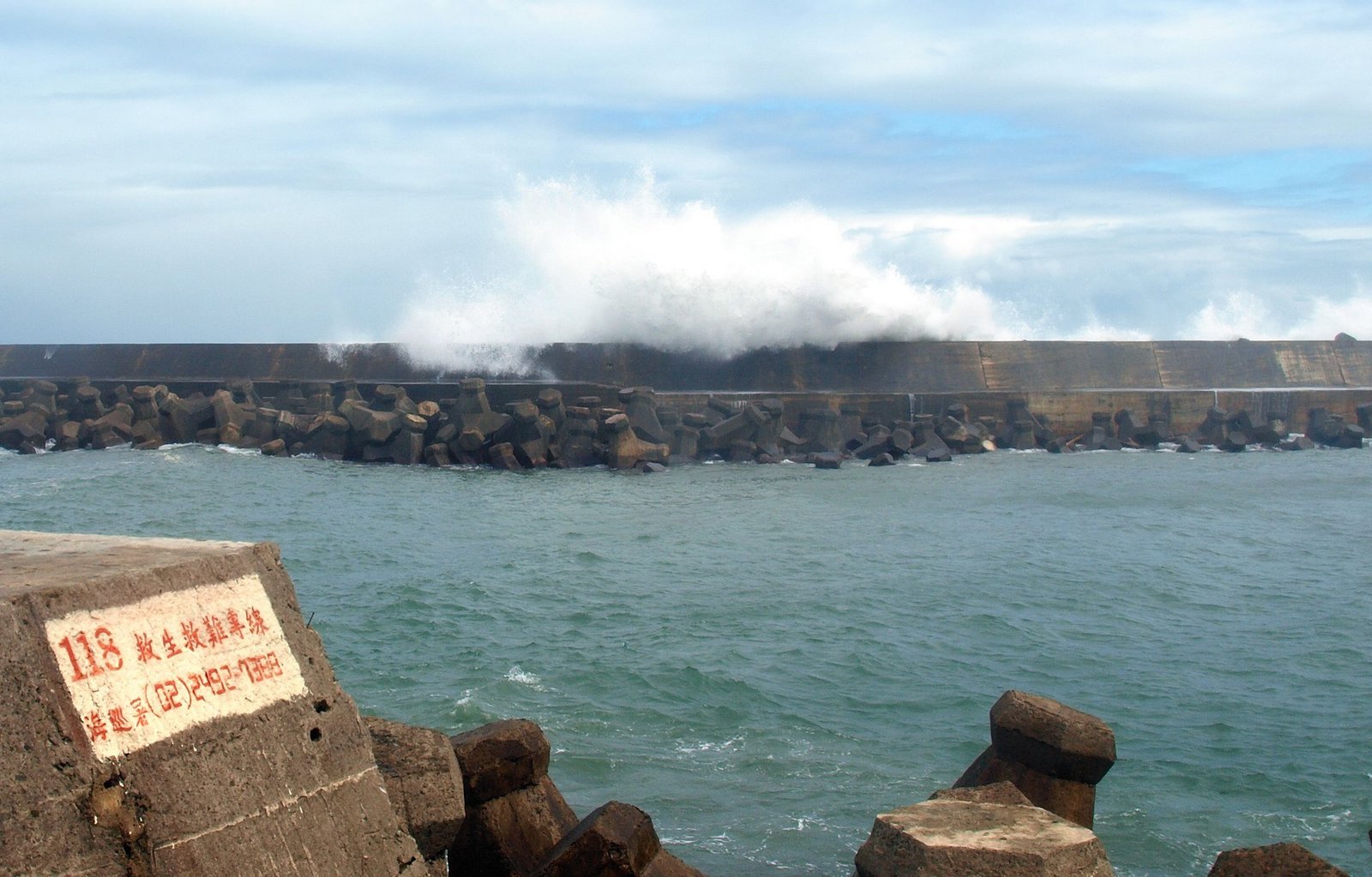
A significant weather event is unfolding as Cyclonic Storm Murasu, currently situated over the Westcentral and adjacent Southwest Bay of Bengal, is anticipated to strike the Andhra Pradesh coastline later tonight. The storm has been moving in a nearly northwest direction at a pace of 20 kilometers per hour over the last six hours, showing signs of intensification.
Weather experts monitoring the situation have noted that Murasu has escalated into a severe cyclonic storm, raising concerns about potential impacts on the coastal regions. The Indian Meteorological Department (IMD) has been actively tracking the storm’s path and strength, providing timely updates as the situation develops.
Current Status of Cyclone Murasu
As of the latest reports, Cyclone Murasu has gained strength and is classified as a severe cyclonic storm. This classification indicates that the system possesses wind speeds that could lead to hazardous conditions for coastal communities. The storm’s trajectory suggests that it will reach the Andhra Pradesh coast within hours, prompting regional authorities to prepare for possible evacuations and emergency responses.
In light of the storm’s intensification, local governments are on high alert, coordinating with disaster management teams to ensure the safety of residents. The IMD has issued warnings for heavy rainfall, strong winds, and potential storm surges, which could exacerbate flooding in vulnerable areas.
Implications for Coastal Communities
The anticipated landfall of Cyclone Murasu poses serious risks for the coastal populations of Andhra Pradesh. Communities may face significant challenges, including infrastructure damage, power outages, and disruptions to essential services. The emergency services are mobilizing resources, including medical teams and relief supplies, to assist those most at risk.
Officials have urged residents to adhere to safety protocols, including securing property and staying indoors during the peak of the storm. The government is also preparing emergency shelters for those who may need to evacuate their homes due to flooding or structural concerns.
What Lies Ahead
As Cyclone Murasu approaches the coast, continuous updates from meteorological authorities are crucial for public awareness and safety. The aftermath of the storm will likely involve extensive assessment and recovery efforts as communities begin to evaluate the damage.
Looking forward, it will be essential for local and state governments to implement recovery plans to restore normalcy and provide support to those affected by the storm. The situation underscores the significance of preparedness and resilience in the face of natural disasters, as communities strive to rebuild in the wake of Cyclone Murasu.
Source: NDTV India