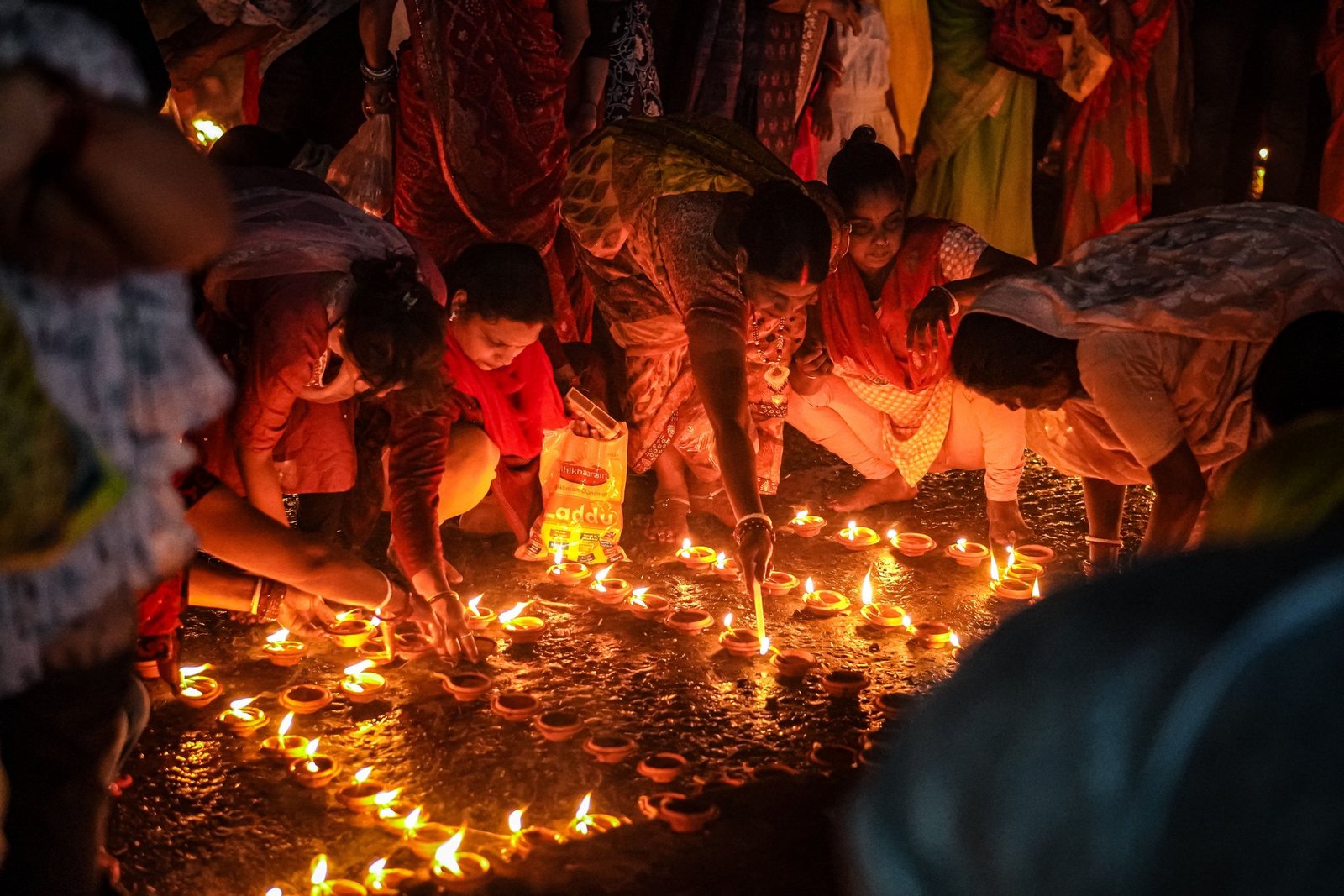
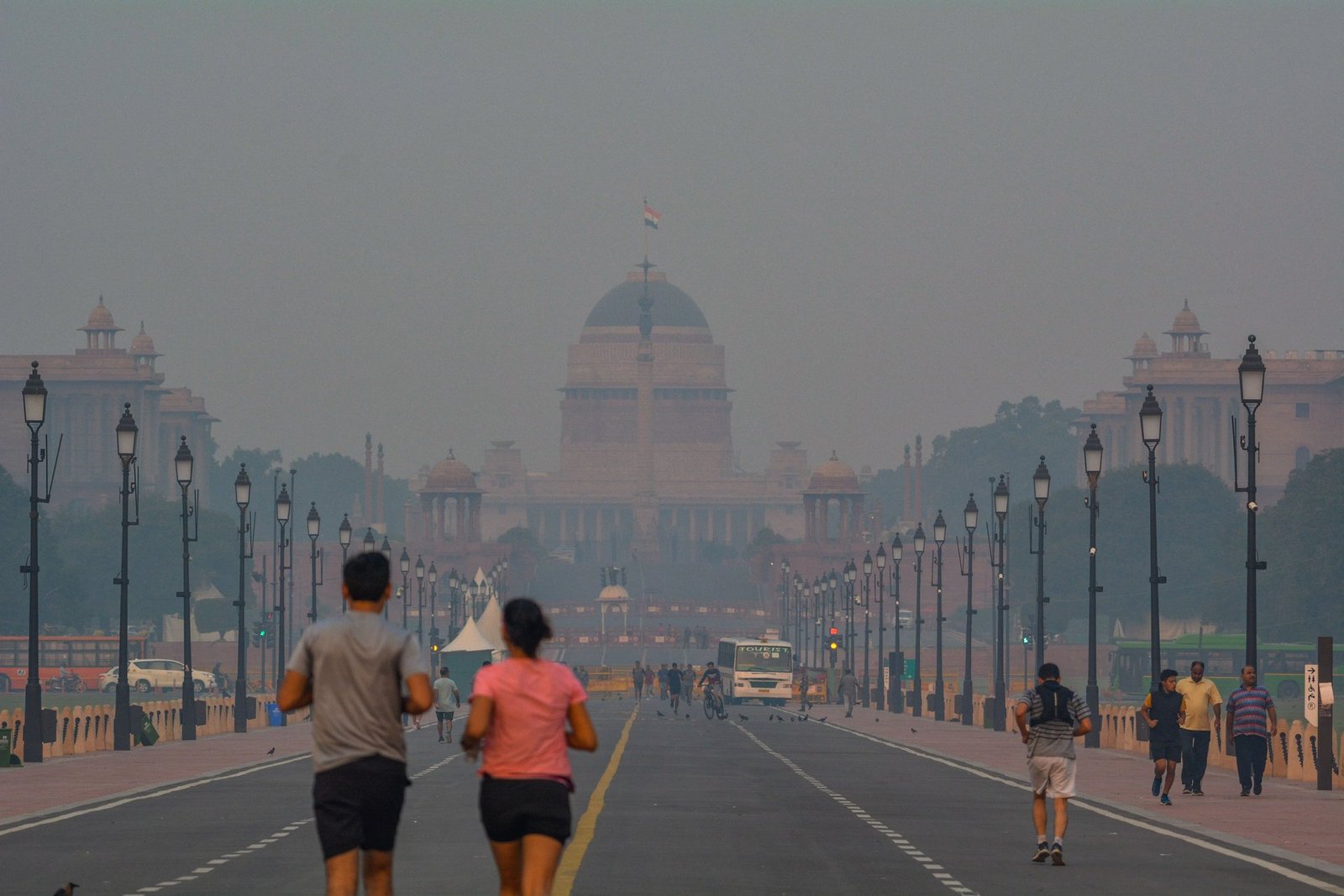
Delhi and the surrounding National Capital Region (NCR) experienced a sharp decline in air quality during the Diwali celebrations, as smoke from firecrackers and other pollutants enveloped the area. The air quality index (AQI) neared hazardous levels, raising significant health concerns among residents.
Air Quality Measures and Current Statistics
In anticipation of deteriorating air quality during the festive season, the Commission for Air Quality Management (CAQM) implemented Stage 3 of the Graded Response Action Plan (GRAP) across Delhi and NCR. This decision was made as a precautionary step due to forecasts predicting a drop in air quality during Diwali.
According to data from the Central Pollution Control Board (CPCB) available on the Sameer app, the AQI in Delhi reached 373, placing it in the “very poor” category. Other areas like Noida, Ghaziabad, Gurugram, and Faridabad also recorded similar “very poor” AQI levels at 319, 360, 280, and 297 respectively. Some localities in Delhi, including Alipur, Bawana, and Chandni Chowk, reported AQI levels exceeding 400, which falls into the “severe” category.
Public Concerns and Criticisms
Despite the governmental measures, there has been criticism regarding the effectiveness of these actions and the authenticity of the data. Environmental activist Bhavreen Kandhari highlighted discrepancies between official data and independent citizen measurements. She pointed out that many citizens use their own AQI monitors, which often show higher levels of pollution than reported by official sources.
Kandhari criticized the enforcement of firecracker regulations, stating that the rules are often ignored, resulting in continued air quality degradation. She emphasized the need for more transparent and reliable air quality data to address the public health crisis effectively.
Data Gaps and Challenges
Concerns have also been raised regarding data collection, with reports of missing readings from several monitoring stations on November 6. At least 11 stations reported missing hourly PM2.5 and PM10 readings, indicating potential issues in data accuracy and reliability.
The ongoing air quality issues during Diwali highlight the broader environmental challenges faced by Delhi, particularly during the winter months. The recurring nature of this crisis calls for a reevaluation of current pollution control measures and a more robust approach to tackling air pollution.
Source: NDTV India