
[ad_1]
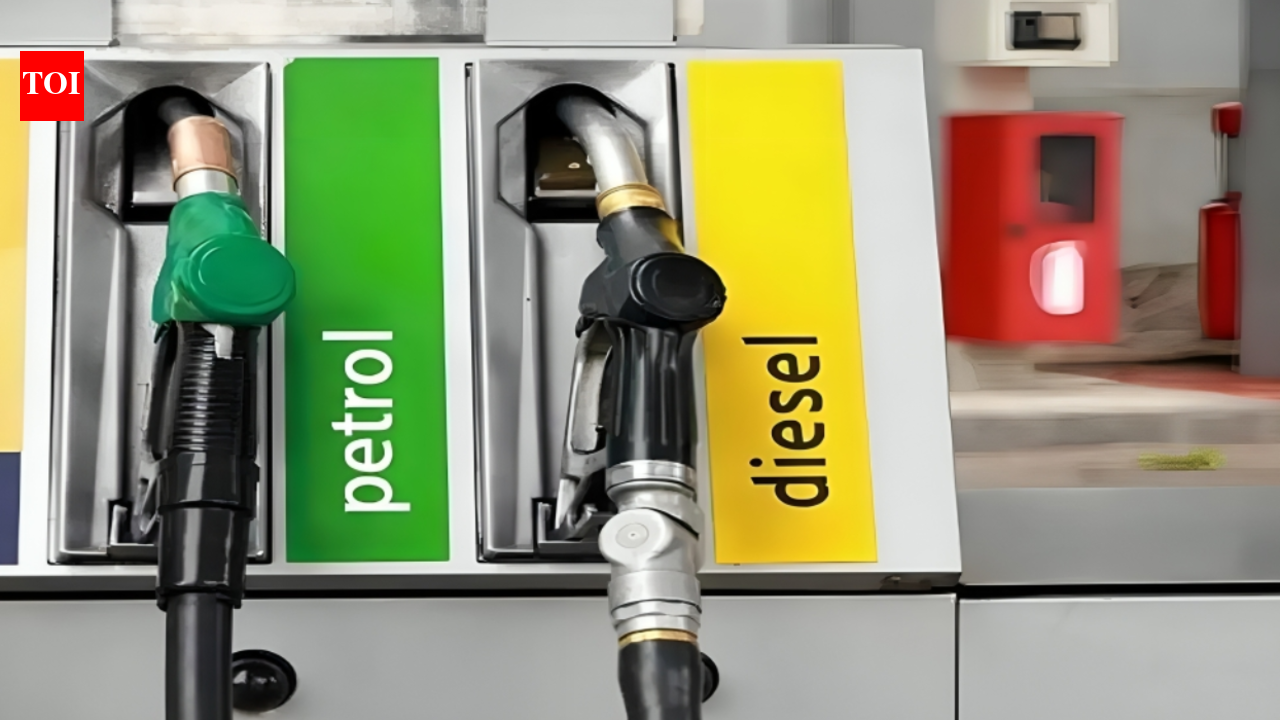
As the Middle East conflict continues to disrupt global oil supplies, the Centre has stepped in to ensure better fuel availability for citizens. In a bid to cushion local consumers from the ripples, the government has imposed fresh duties on fuel exports while easing the domestic excise duties. Finance minister Nirmala Sitharaman announced that export duties have been set at Rs 21.5 per litre on diesel and Rs 29.5 per litre on aviation turbine fuel (ATF), alongside a reduction in excise duty on petrol and diesel meant for domestic consumption.
In a post on social media platform X, the FM wrote, “In view of the West Asia crisis, the central excise duty on petrol and diesel for domestic consumption has been reduced by Rs 10 per litre each. This will provide protection to consumers from rise in prices. Hon. PM Modi has always ensured that citizens are protected from vagaries of supply and costs of essential goods.”“Further, duties have been imposed on exports of Diesel at Rs 21.5 per litre and on ATF at Rs 29.5 per litre. This will ensure adequate availability of these products for domestic consumption. The Parliament has been notified about the same,” Sitharaman further added.
What’s new for aviation sector?
The FM said that the excise rate on Aviation Turbine Fuel export had been raised to ensure that the fuel is prioritized for use in the domestic sector. “ATF is very important. It is necessary for India’s aircraft and our companies to get ATF. For that reason, there are many refineries in India that buy goods from abroad, refine them here, and also export them abroad and give them to us. But we have now increased the rate on that export, increased the excise duty, so that instead of exporting, they will sell it in India itself, which will ensure plenty of availability in India and people won’t feel a shortage,” she stated.The government has reworked the tax structure for Aviation Turbine Fuel (ATF). It has set an excise duty of Rs 50 per litre, but built-in exemptions mean the actual levy will come down to Rs 29.5 per litre in certain cases, offering some relief to the aviation sector. The official notification lists ATF at Rs 50 per litre under special additional excise duty, while also providing for exemptions that reduce the effective rate to Rs 29.5 per litre.These revised rules will not apply to exports, except in the case of supplies by public sector oil companies to neighbouring countries such as Nepal, Bhutan, Bangladesh and Sri Lanka, which will continue under the updated system.Changes to the Central Excise Rules, 2017, further state that rebate and export procedures will not be applicable to petrol, diesel and ATF, apart from such supplies to neighbouring nations by public sector firms.The government said that the measures are in public interest, aimed at striking a balance between consumer relief, revenue considerations and industry needs at a time of global energy uncertainty.
Relief for consumers
The finance ministry, in a notification issued late on Thursday, also revised the domestic duty cuts, bringing excise duty on petrol down to Rs 3 per litre from Rs 13 earlier, while diesel was fully exempted from the levy, which previously stood at Rs 10 per litre. The changes have taken effect immediately.The twin move, raising export duties while lowering domestic taxes, comes against the backdrop of a sharp surge in global crude oil prices. Oil prices have soared almost 50% since February 28, when the United States and Israel carried out strikes on Iran. Earlier this month, prices had climbed as high as $119 per barrel earlier this month before easing to around $100.
India’s reliance on foreign fuels
India, which imports 88% of its crude oil and around half of its natural gas requirements, remains particularly exposed to disruptions in the Strait of Hormuz. Following the strikes on Iranian government, military and nuclear facilities, Iran warned shipping away from the route, while insurers pulled back coverage, effectively halting tanker movements.Even as global prices climbed, retail fuel rates in India have largely remained unchanged, putting pressure on oil marketing companies. The reduction in excise duty is expected to ease some of this strain.Prior to the announcement, rating agency ICRA had flagged the financial stress on fuel retailers, estimating losses of Rs 11 per litre on petrol and Rs 14 per litre on diesel if crude prices averaged $100–105 per barrel. It had also suggested that a cut in excise duty could help keep pump prices stable while offering companies some relief.Among private retailers, Nayara Energy has already increased prices, raising petrol by Rs 5 per litre and diesel by Rs 3 per litre. Its petrol now sells at Rs 100.71 per litre and diesel at Rs 91.31. Jio-bp, however, has not revised rates so far despite incurring losses.State-run fuel retailers, which dominate nearly 90% of the market, have continued to hold prices steady. In Delhi, petrol is priced at Rs 94.77 per litre and diesel at Rs 87.67 per litre.
[ad_2]
Source link


