24-year-old PhD student spotted a strange signal from space and uncovered one of astronomy’s greatest discoveries |

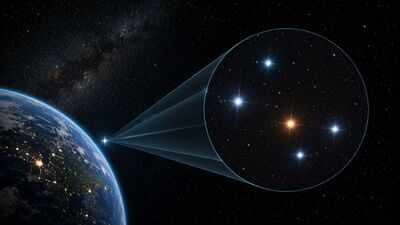
In the summer of 1967, a 24-year-old PhD student at the University of Cambridge noticed something unusual hidden within mountains of radio telescope data. The signal appeared as a regular pulse, repeating with astonishing precision and refusing to fit any known astronomical explanation. For months, scientists struggled to understand what they were seeing, even joking…

Read More

After NSIL’s PPP bid, IN-SPACe opens LVM-3 to private sector with ToT push

BENGALURU: In a renewed push to hand over Isro’s LVM-3 launch vehicle to private industry, space regulator-cum-promoter Indian National Space Promotion and Authorisation Centre (IN-SPACe) has invited expressions of interest (EoI) for the transfer of technology (ToT) of the country’s heaviest operational rocket.The move comes more than two years after Space PSU NewSpace India Limited…

Read More

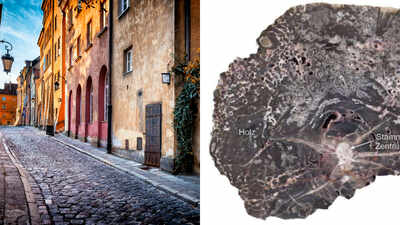
700,000-year-old squirrel poop reveals a lost Arctic world of mammoths, horses, and giant predators |

A sealed vial of sediment pulled from Yukon permafrost does not look like a breakthrough. It looks like dirt until the sequencing results arrive. Inside it, scientists from institutions including McMaster University and the University of Alberta found genetic traces of mammoths, horses, and predators that have not roamed the Arctic for tens of thousands…

Read More

He nearly drowned in space when water filled his helmet, now he’s part of NASA’s Artemis III crew: Meet Luca Parmitano |

In July 2013, Italian astronaut Luca Parmitano found himself in a situation no astronaut ever wants to face. While performing a spacewalk outside the International Space Station, water began leaking into his helmet. What initially seemed like sweat soon turned into a life-threatening emergency as the water rose around his face, impairing his vision and…

Read More

Billions under the Pacific Ocean: Apple-sized metal-rich rocks that could power the future of electric cars |

Roughly four kilometres below the surface of the central Pacific Ocean, scattered across a stretch of seafloor the size of the continental United States, lie hundreds of billions of apple-sized rocks. They are dark, lumpy, and almost impossibly slow-growing, a few millimetres every million years. Some of the ones sitting on the seabed today began…

Read More