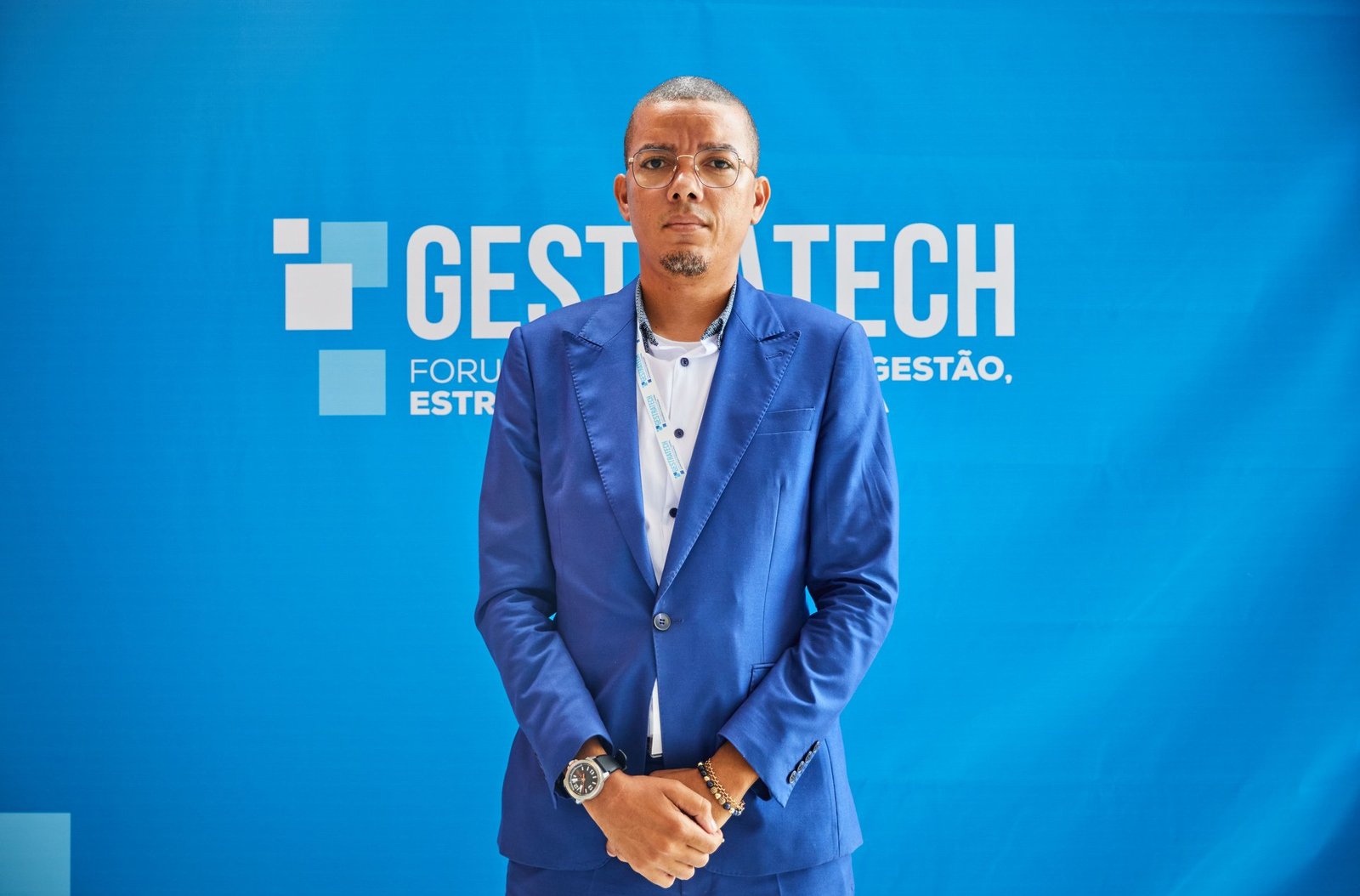
During an address at the National Policy Dialogue in Lahore, Interior Minister Mohsin Naqvi asserted that any new administrative units in the country would only be established with the explicit support of the populace. He clarified that the idea of resetting the system does not imply dismantling it but rather rectifying its flaws.
Prioritizing Political Consensus
Naqvi emphasized the importance of political consensus and the will of the people in bringing about changes. He stated that without public approval, no new administrative units would be created, highlighting that such decisions should not be made based solely on the interests of individuals, political parties, or governments.
The interior minister called for a comprehensive dialogue to weigh both the positive and negative aspects of creating new units. He suggested drafting proposals to present to the public for their acceptance and input.
Evaluating the Need for Reform
Discussing the potential formation of new administrative units, Naqvi highlighted the necessity of analyzing their benefits, methodologies, and financial implications. He urged parliament, experts, and responsible parties to engage in debate, with the final decision resting on public opinion.
Naqvi clarified that his remarks were not aimed at any specific political party but were a critique of the longstanding system since the country’s independence. He advocated for constitutional and democratic methods in pursuing the proposed reforms.
Addressing Systemic Challenges
Naqvi underscored the inefficacy of the current administrative system, noting significant issues such as inadequate education, limited access to clean drinking water, and a backlog of court cases. These challenges, he said, are priorities for the government to address.
He also advocated for the recognition of Islamabad as a province, arguing that this would ensure its citizens receive their rightful share of the National Finance Commission (NFC) Award. He pointed out that Islamabad currently does not benefit from the national budget.
Reforming for Better Governance
Highlighting the importance of the NFC award’s population factor, Naqvi described it as an ongoing incentive for provinces. He questioned whether the country is waiting for potential issues to escalate and called for a systemic reset to achieve desired outcomes.
Citing the example of New York City Mayor Zohran Mamdani, Naqvi emphasized that politicians familiar with their constituents’ needs are best suited to foster empowerment through reforms. He assured the public that cultural identities would be preserved, with the reforms aimed at enhancing governance and strengthening ties between the government and the people.
Concluding his remarks, Naqvi stressed the necessity of adhering to public will in these reforms and called for collective deliberation among political parties, emphasizing that it is not an issue confined to one individual or province.