In a remarkable turn of events, a Chinese national was rescued alive from a collapsed tunnel in Nepal, marking a glimmer of hope amidst the ongoing search efforts for missing individuals following the catastrophic flooding that struck the region. This dramatic rescue took place on Saturday, ten days after a substantial flood devastated parts of Nepal.
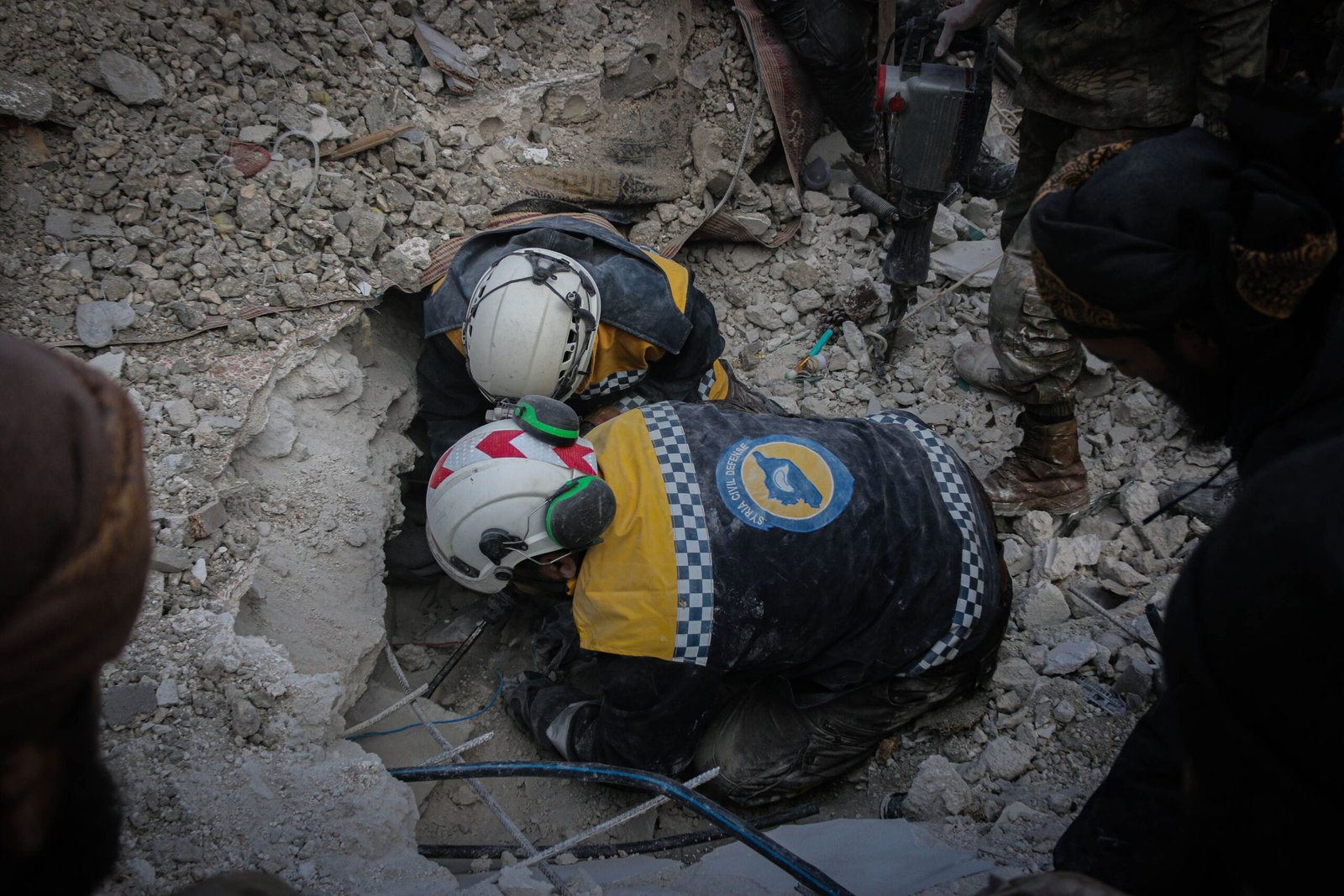
The rescue operation involved a collaborative team of the Nepal Army and international experts, who successfully extracted the man from a depth of 225 meters within the tunnel associated with the Upper Trishuli-1 Hydropower Project in the Rasuwa district. A military statement confirmed the details of this operation.
A photograph shared on the army’s official Facebook page depicted the survivor, identified as Luhaitao, displaying a sense of awareness while being assisted by two soldiers in camouflage. Despite his alertness, he was seen covered in thick mud, a testament to the harrowing conditions he endured during his entrapment.
Continued Search Operations
Following this miraculous rescue, the Nepal Army announced that Luhaitao’s health was being evaluated, while simultaneously, search and rescue operations continued in the region. The survivor was among the many hydropower workers who have gone missing since the disaster, which was triggered by a massive landslide on August 26, unleashing a powerful wave of water and debris along the China-Nepal border.
Just a day prior, two Nepali hydropower workers were rescued from the nearby Trishuli 3A tunnel, where rescue efforts have been concentrated alongside several other affected sites. The floods have wreaked havoc on at least 12 hydropower projects, leading to widespread devastation.
Death Toll and Missing Persons
As of now, the national disaster agency in Nepal has reported the recovery of 1,344 bodies, with approximately 5,000 individuals still unaccounted for. In neighboring China, state media reported that 31 fatalities have been confirmed, with 531 missing, contributing to an overall death toll of 1,375 and over 5,500 individuals still missing.
Army spokesperson Raja Ram Basnet provided updates, stating that operations are ongoing in the tunnels to seek out any remaining survivors. Initial assessments indicated that authorities believed over 100 workers might still be trapped in various tunnels.
International Assistance and Humanitarian Response
Rescue efforts have seen the involvement of experts from India, China, Australia, and South Korea, all providing crucial support to Nepali teams in their quest to locate survivors within the blocked tunnels. Meanwhile, with morgues reaching capacity, around 1,030 bodies have been interred in mass graves, following DNA sampling for future identification, as reported by the Nepal Police.
In light of the disaster, Prime Minister Balendra Shah assured those displaced by the floods of the government’s commitment to providing “safe and comfortable accommodation” in temporary relief camps. Acknowledging the hardships faced by those in the camps, he expressed a desire to foster an environment conducive to rebuilding their dreams and futures.