In the wake of a tragic avalanche on Broad Peak that resulted in the loss of ten lives, the Chief Minister of Gilgit-Baltistan, Amjad Hussain, has established a committee to reassess the region’s trekking rules and regulations. This move comes as a response to the growing number of mountaineering accidents in the area.
Recent Mountaineering Tragedies
The deadly avalanche on July 30 claimed the lives of ten climbers who were part of an expedition led by the esteemed British-Nepali mountaineer, Nirmal Purja. Tragically, no survivors were reported from this incident. This disaster highlighted the urgent need for a review of safety protocols in the region.
Additionally, the region witnessed another unfortunate incident on August 20, when Pakistani climber Asma Mushtaq succumbed to high-altitude sickness while descending from Spantik Peak. Her body was recovered by a ground team, ten days after her passing.
Committee’s Objectives and Responsibilities
The newly formed committee, under the leadership of Forest, Wildlife and Parks Secretary Subtain Ahmed, includes Information Technology Secretary Zameer Abbas and Baltistan Division Commissioner Kamal Khan. Their primary task is to scrutinize the existing trekking regulations and propose updates to enhance safety measures.
Chief Minister Hussain emphasized the importance of addressing any negligence or administrative shortcomings in recent rescue operations. The committee has been instructed to examine the current procedures and suggest improvements to prevent future mishaps.
Regulatory Amendments and Safety Enhancements
The committee is tasked with evaluating the existing regulations, focusing on insurance, safety equipment, and the responsibilities of liaison officers and mountain guides. They are expected to propose realistic insurance coverage in line with current risks and costs.
Furthermore, the committee will explore improvements in rescue operations, including helicopter evacuations and communication systems. They aim to develop mandatory safety protocols to minimize risks and ensure the security of mountaineers and trekking groups.
Tourism and Economic Impact
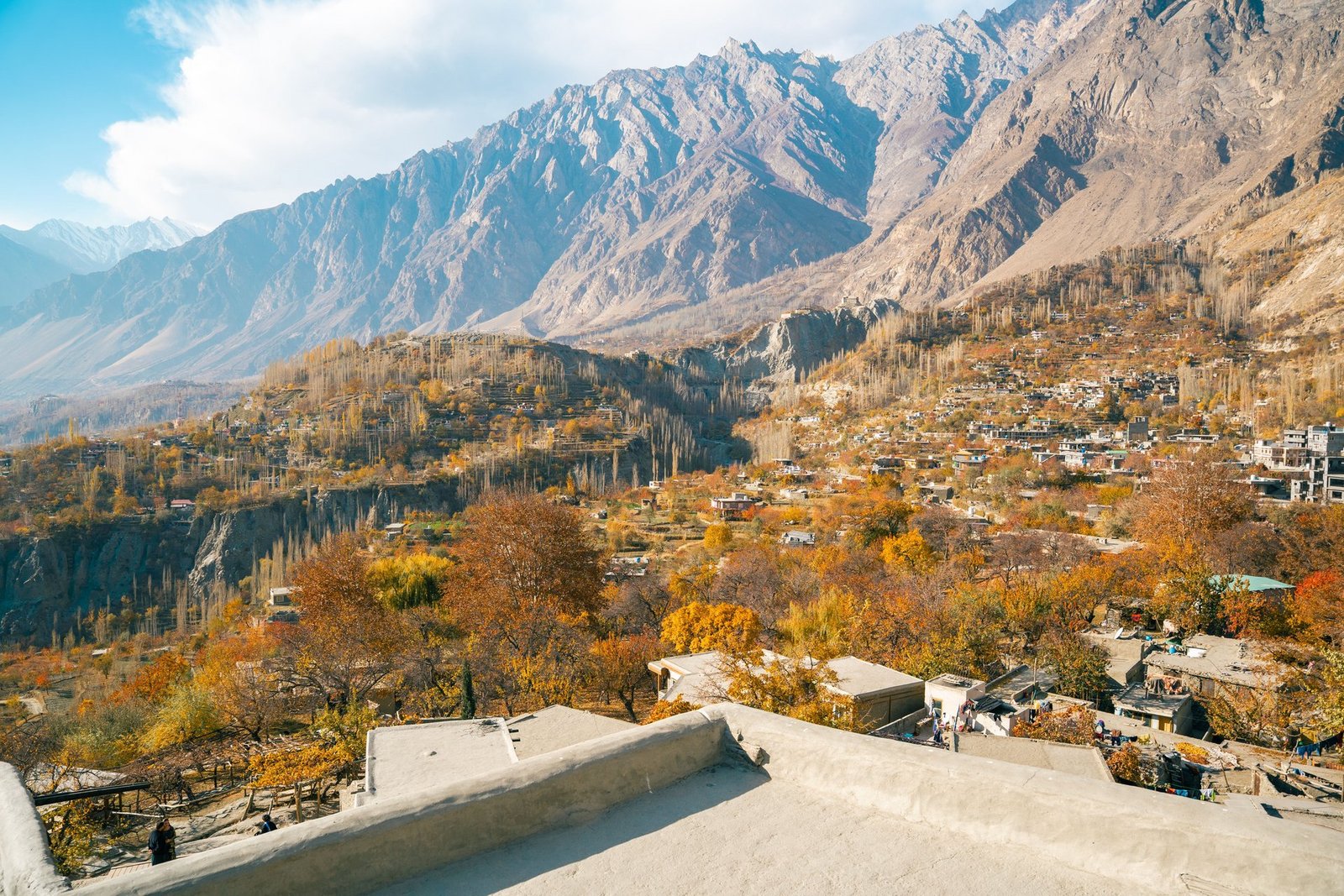
Despite the recent tragedies, Gilgit-Baltistan remains a popular destination for adventurers. The region attracted over 2,200 foreign climbers and trekkers during the summer, with many visiting iconic peaks such as K2 and Nanga Parbat.
The tourism department reported significant earnings from expedition permits, highlighting the economic importance of this sector. As the number of visitors continues to rise, the need for updated safety regulations becomes even more critical.