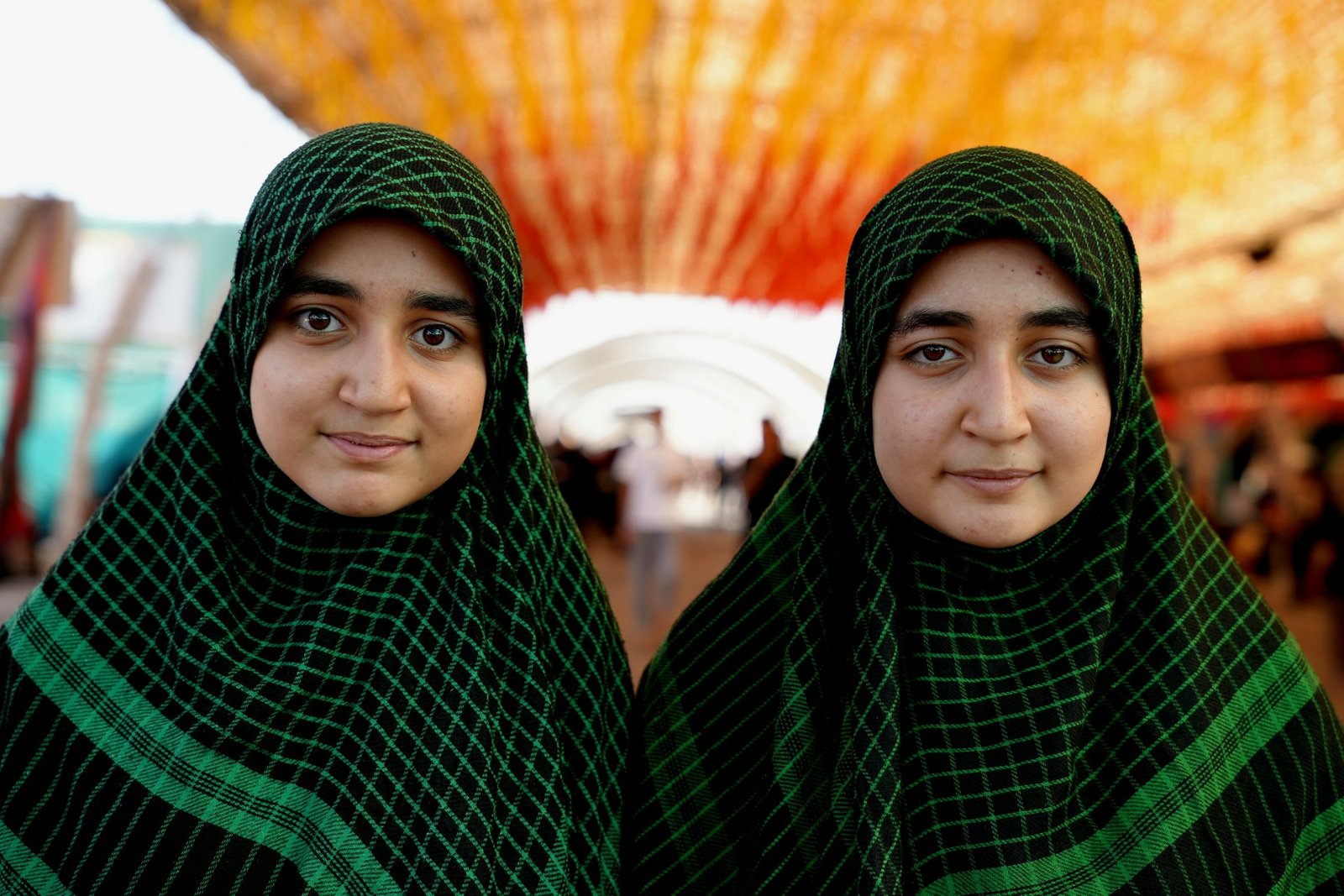
In a troubling development from Iran, the harsh realities of political dissent have manifested in the severe sentencing of twin sisters Taraneh and Romina Rahimi. Taraneh has received a death sentence, while her sister Romina has been sentenced to 25 years in prison. This stark contrast in their fates highlights the escalating tensions within the nation as dissent against the ruling regime continues to provoke harsh reprisals.
Background on the Sentencing
The sisters’ sentences have drawn considerable attention, both domestically and internationally, as they exemplify the regime’s increasingly repressive measures against perceived threats. Taraneh’s death sentence marks a significant escalation in the punitive actions taken by the Iranian government, particularly against women who oppose the regime’s policies and practices. Meanwhile, Romina’s lengthy prison term underscores the regime’s commitment to silencing voices of dissent.
The sisters were reportedly targeted by agents of the Islamic Revolutionary Guard Corps (IRGC), a powerful military and political force within Iran known for its role in enforcing the regime’s strict ideological conformity. The involvement of the IRGC in this case raises serious concerns about the extent to which the state is willing to go to suppress opposition.
The Implications of Their Sentences
The punishments faced by Taraneh and Romina Rahimi are not just personal tragedies; they represent a broader pattern of repression that has been escalating in Iran, particularly in the wake of recent protests and civil unrest. These events have seen many Iranians take to the streets to voice their frustrations over social, economic, and political issues, leading to a fierce crackdown by security forces.
International human rights organizations have condemned the sentences as emblematic of the regime’s disregard for basic human rights and due process. The brutal treatment of dissenters, especially women, raises alarms about the state of freedom and justice in Iran. Activists argue that the government’s harsh responses are intended to instill fear and discourage further protests.
What Comes Next?
As the world watches, the cases of Taraneh and Romina Rahimi will likely prompt increased scrutiny of Iran’s human rights record. The international community may respond with calls for reforms and sanctions aimed at the Iranian regime. Activists and human rights advocates are expected to rally support for the sisters and others facing similar fates, pushing for their release and the end of political persecution in Iran.
In the wake of these developments, it remains to be seen how the Iranian government will navigate the growing dissent and what measures it may take to quell potential uprisings. The sentences against the Rahimi sisters serve as a stark reminder of the high stakes involved in the ongoing struggle for freedom and justice in Iran, and the lengths to which the regime will go to maintain its grip on power.