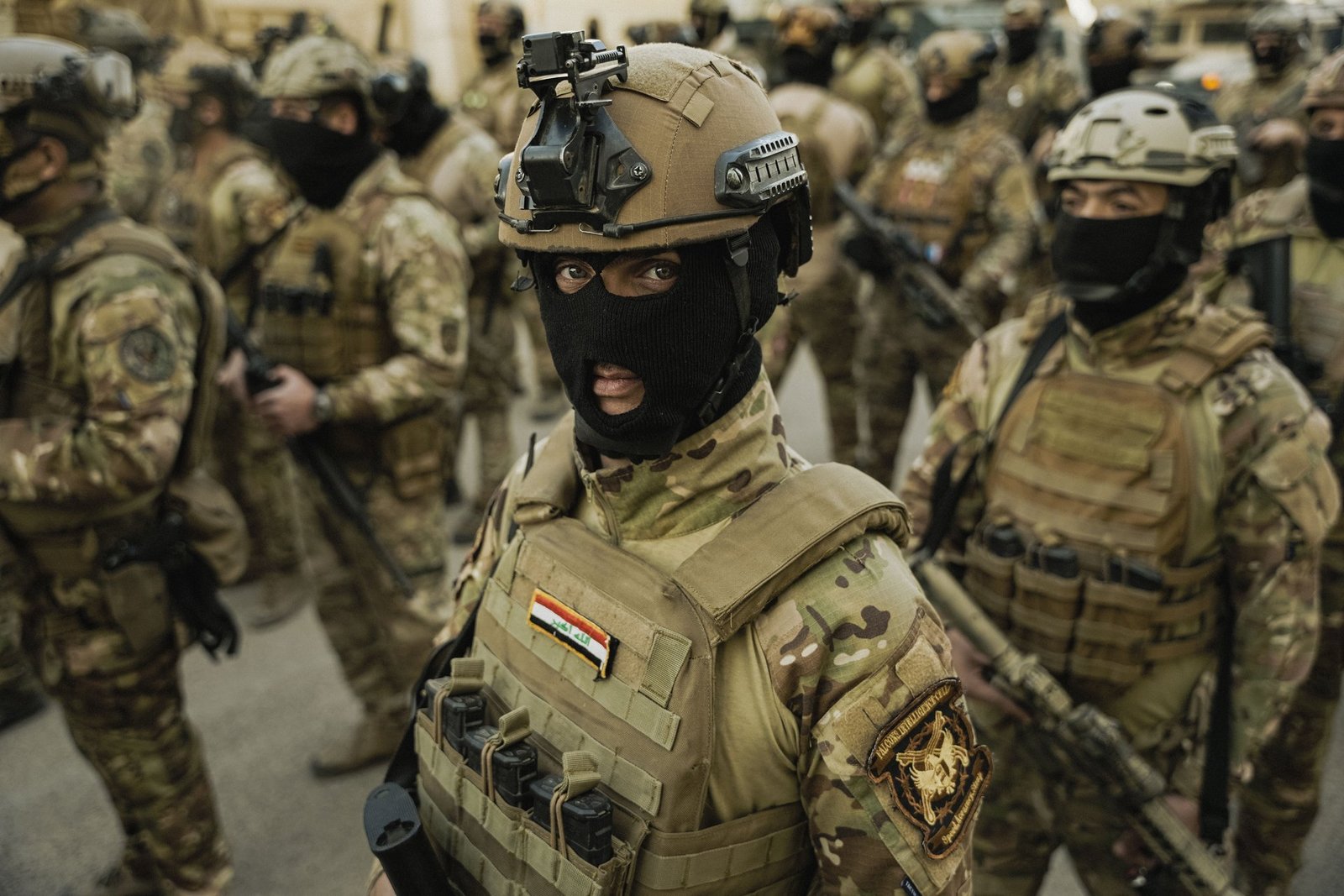
Recent reports indicate that Iran is strategizing a significant military operation against Israel that could mirror the events of October 7. This operation is expected to incorporate a coalition of Iran-aligned groups known as the “Axis of Resistance,” which includes Hezbollah from Lebanon, Houthis from Yemen, Hamas, and various pro-Iranian militias operating in Iraq and Syria.
Background of the Axis of Resistance
The term “Axis of Resistance” refers to a network of militant groups supported by Iran, which have been engaged in opposition against Israel and its allies in the region. This coalition has historically operated independently, but the impending offensive suggests a level of unprecedented coordination among these groups.
Each faction within the Axis has its unique capabilities and regional dynamics. Hezbollah, for example, has a significant presence in southern Lebanon and is known for its military prowess. Meanwhile, Hamas has maintained a longstanding conflict with Israel in the Gaza Strip, and the Houthis have been involved in a protracted war in Yemen. The inclusion of pro-Iranian militias from Iraq and Syria further diversifies the operational capabilities of this coalition.
Motivation Behind the Planned Assault
The motivation for this coordinated assault appears to be rooted in the desire to pressure Israel and demonstrate Iran’s military influence in the region. By uniting these diverse factions under a single operational goal, Iran aims to amplify its impact and present a formidable challenge to Israeli defenses.
The significance of this planned offensive cannot be understated, as it highlights the increasingly precarious security situation in the Middle East. Analysts are concerned that such an attack could escalate tensions beyond the current conflict, potentially drawing in additional regional powers and international stakeholders.
Implications for Regional Security
The potential for a large-scale military operation involving multiple factions poses significant risks not only for Israel but also for the stability of neighboring countries. A successful assault could embolden Iran and its proxies, leading to further aggression against Israel and possibly other nations in the region.
Moreover, this development could compel Israel to reassess its military strategies and engage in preemptive actions to mitigate the threat posed by this coalition. The dynamics of warfare in the Middle East are complex, and any significant military action could have far-reaching consequences, including civilian casualties and humanitarian crises.
What Lies Ahead
As the situation unfolds, it remains to be seen how Iran’s plans will materialize and how Israel will respond. The international community will likely be closely monitoring these developments, given the potential for broader implications on global security and stability.
In conclusion, the proposed coordination among Iran and its regional allies marks a pivotal moment in the ongoing tensions between Israel and Iran. The coming weeks will be crucial in determining whether this planned offensive will proceed and what the ramifications will be for the entire region.