In the wake of catastrophic flash floods in Nepal, rescue teams are intensifying their search for workers trapped in tunnels near the border with Tibet. This comes nine days after the natural disaster struck, prompting a massive rescue operation. Recent successes, including the rescue of two individuals from the tunnels, have bolstered hopes of finding more survivors.
Challenges in the Rescue Mission
The flash floods, believed to be triggered by a glacial collapse, devastated a Himalayan valley, obliterating entire villages. As of now, the death toll has reached 1,311, with 5,330 people reported missing across Nepal and Tibet. Among the missing are hundreds of foreign nationals from 34 different countries.
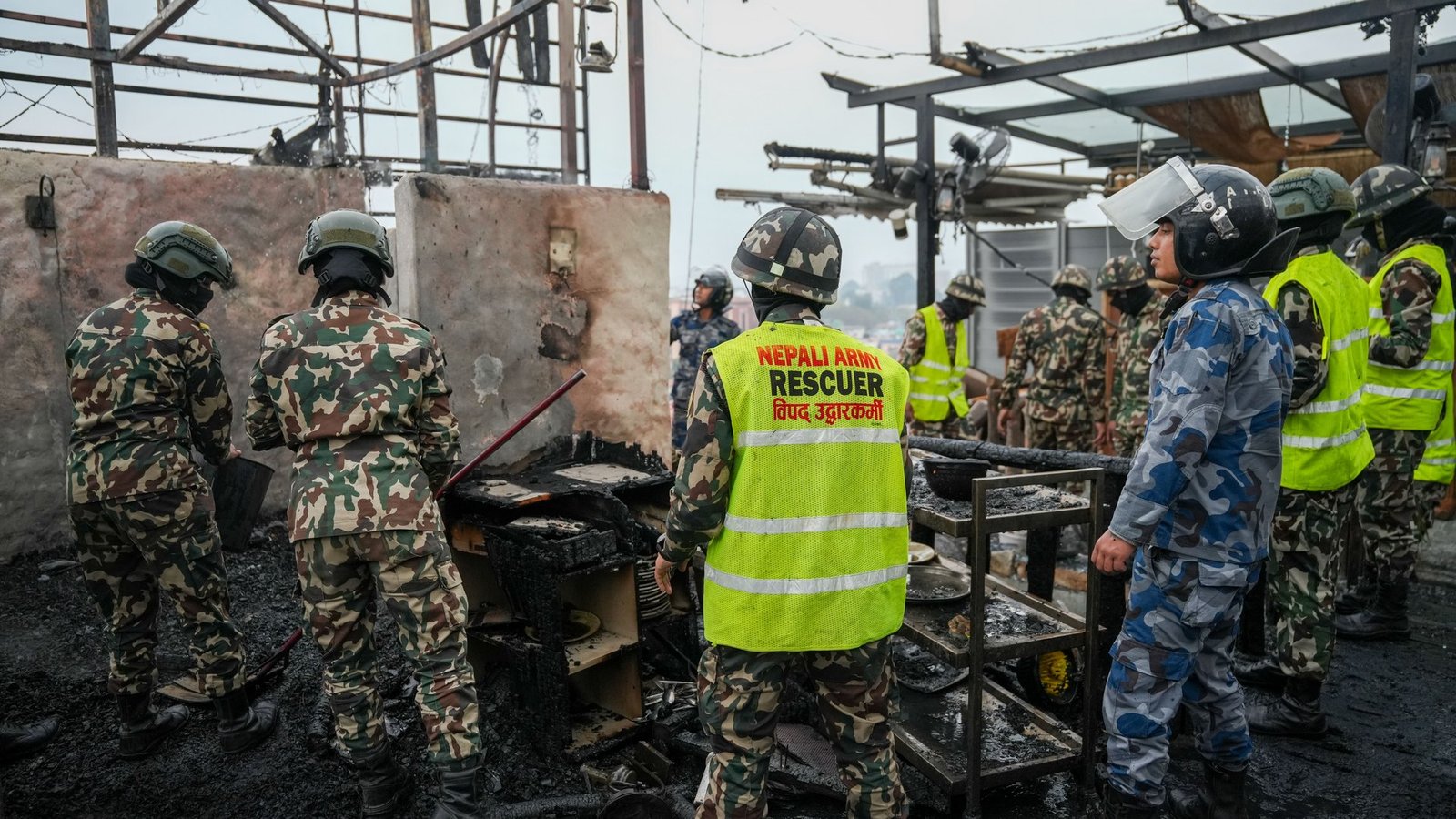
Rescue operations are underway at seven hydropower tunnels, where over 150 individuals are feared to be trapped. Additionally, efforts are being made at 19 other locations. Rescue teams are facing challenges due to mud and rocks blocking tunnel entrances, necessitating the digging of access holes. Engineers are also pumping air into the tunnels to aid in the rescue efforts.
Recent Developments
On Friday, rescuers at the Trishuli 3A hydropower site heard faint voices, leading to the discovery of Sanjaya Shah and Kabir Maharjan. Both men sustained injuries, possibly from crawling through the tunnel, and were promptly airlifted to an Army Hospital in Kathmandu. Unfortunately, Maharjan remains in critical condition.
A third body was discovered in the same tunnel, but identification has been difficult due to its condition. Officials estimate that 39 more people could still be in the Trishuli 3A tunnel, though their status remains uncertain.
International and Local Impact
Colonel Jhabindra Reshmi, leading the rescue operations, confirmed that over 400 Nepalese and 270 foreign nationals have been rescued since the floods began on August 26. The floodwaters have complicated efforts by washing away heavy machinery crucial for clearing tunnel blockages.
Uttam Bhlon Lama, vice president of the Independent Power Producers of Nepal, emphasized the motivational impact of the recent rescues on the teams. However, he also warned that persistent high water levels and potential rainfall pose ongoing threats of further flooding in the region.
Scientific Insights and Future Preparedness
While the exact cause of the disaster is under investigation, scientists suggest a glacial collapse exacerbated by climate change may be responsible. The event initially resembled an earthquake, but was soon revealed to be a massive flood, sweeping away infrastructure and lives.
Experts from various organizations, including the Asian Mountain Academic Alliance and China’s Institute of Mountain Hazards and Environment, highlighted signs of instability around the glacier prior to its collapse. They advocate for improved early-warning systems to prevent future tragedies.