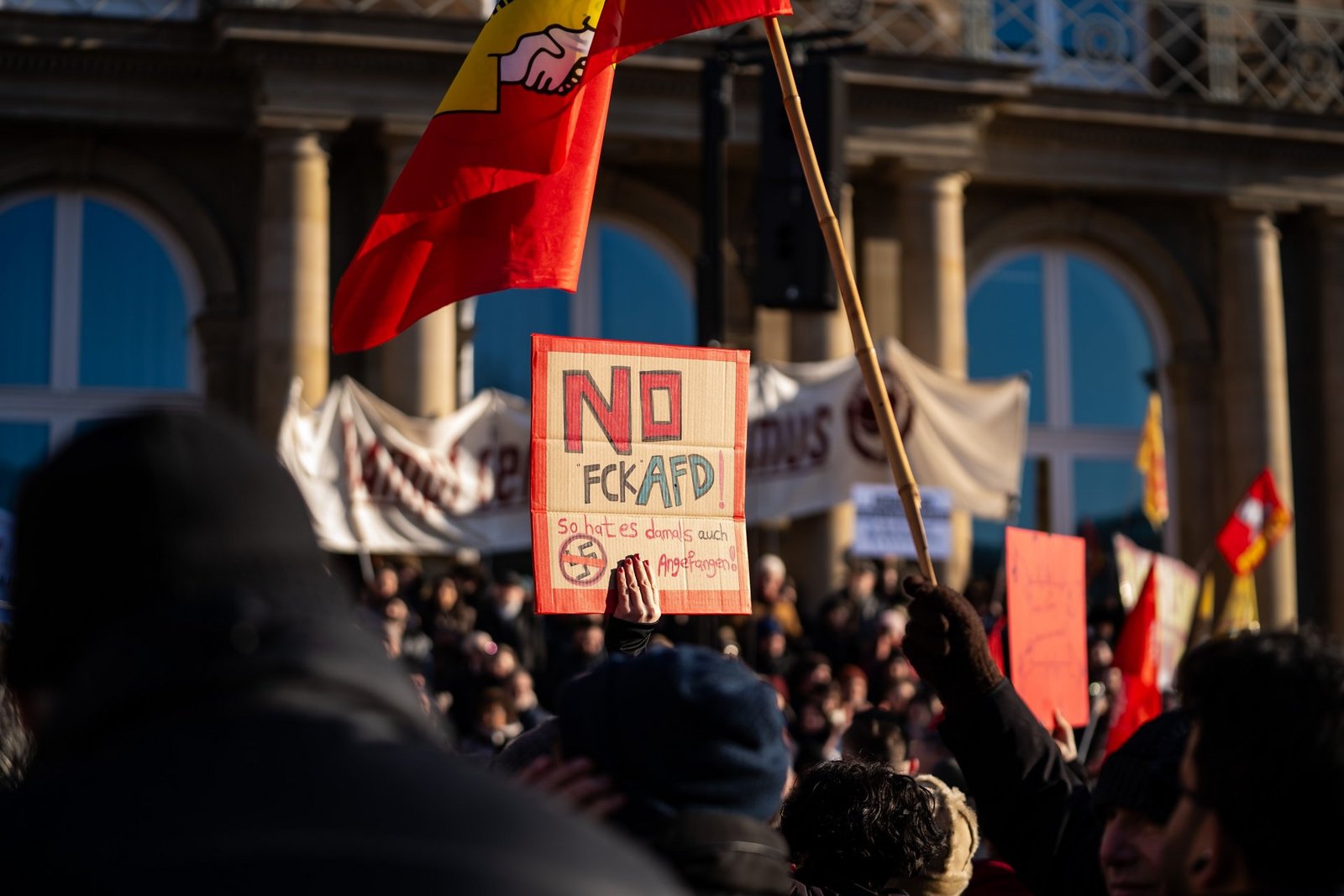
This weekend, Germany is on edge as voters in Saxony-Anhalt head to the polls for a crucial regional election. The far-right party, Alternative für Deutschland (AfD), is attempting to make history by securing a majority in the state’s parliament. Such an outcome would be unprecedented, marking the first time since World War II that a far-right party holds state-level power in Germany.
Political Implications for Germany
The potential success of the AfD in Saxony-Anhalt carries significant implications for German politics. For the party’s adversaries, the prospect is alarming, but for the AfD, it represents a critical step toward achieving broader national influence. The election results could also add pressure on the current Chancellor, Friedrich Merz, from the conservative CDU party. Merz has faced criticism and public disapproval, which may undermine his leadership amid persistent rumors about his political future.
Ulrich Siegmund, the AfD’s charismatic lead candidate, has captured public attention with his populist rhetoric and media presence. Despite controversies surrounding his connections to individuals with neo-Nazi backgrounds, Siegmund remains a popular figure, often engaging with supporters and evoking nostalgia for East Germany.
Controversial Policies and Public Sentiment
AfD’s policy proposals for Saxony-Anhalt have sparked significant debate across Germany. The party’s platform includes plans to segregate child refugees into special classes and a push against LGBT representation in schools. They advocate for a stronger focus on “traditional family” values and a revision of historical education to emphasize positive aspects of German history.
On immigration, the AfD proposes the creation of a task force to detain and deport migrants without legal status, alongside calls to end “illegal, culturally alien” migration. These positions highlight the party’s hardline stance and have drawn criticism from both domestic and international observers.
AfD’s Influence and the Russian Connection
AfD’s perceived pro-Russia stance has raised concerns about their reliability in handling sensitive intelligence matters. A recent incident involved a Russian army souvenir in the office of a prominent AfD member, which coincided with heightened tensions following a failed drone attack on Leipzig/Halle Airport that Berlin attributes to Moscow. The Kremlin denies any involvement, while German authorities warn of increasing Russian disinformation efforts targeting AfD’s political rivals.
As Saxony-Anhalt prepares for this pivotal vote, the potential for an AfD-led government poses challenges for other parties, which have so far refused to form coalitions with the far-right. The outcome will not only shape the local political landscape but could also redefine the party’s role at the national level.