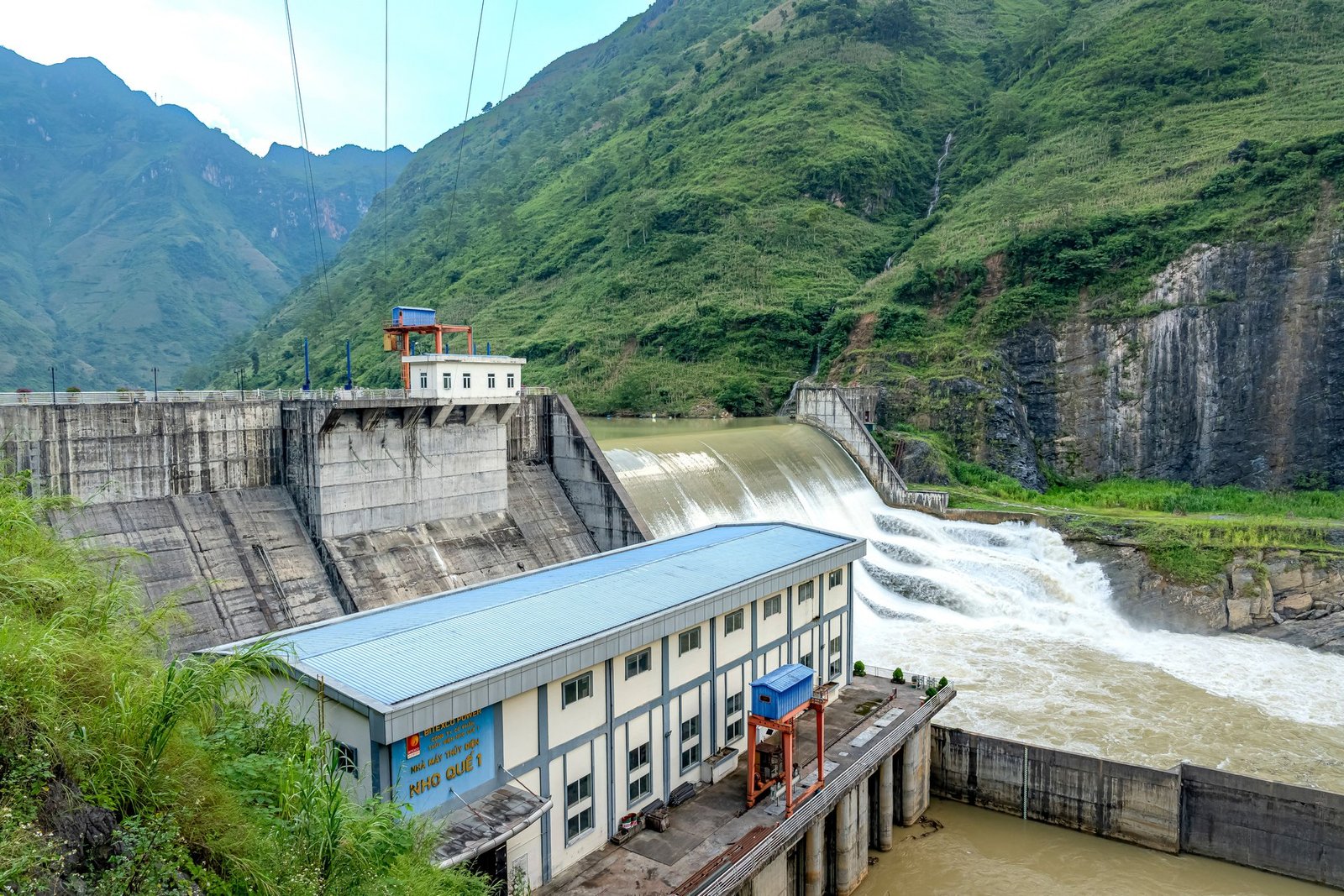
Nepal has heavily invested in hydropower, a decision that has brought both economic gains and significant risks. The country generates nearly all its electricity from hydropower, earning close to $200 million annually from exports to India and Bangladesh. However, recent deadly floods have exposed vulnerabilities in this strategy.
Impact of Recent Floods
The devastating floods last Wednesday resulted in over 1,300 fatalities and left thousands missing, highlighting the fragility of Nepal’s hydropower infrastructure. Twelve hydropower plants in the Trishuli River basin have been severely damaged, cutting more than 10% of the nation’s power capacity. The Nepal Electricity Authority, owning half of these facilities, assures residents of sufficient power supply but acknowledges the pressing need for policy reassessment due to increasing climate-related disasters.
Hydropower’s Role and Risks
Hydropower development has significantly improved electricity access in Nepal, from two-thirds of the population in 2010 to almost universal access by 2018. With 225 plants contributing over 3,900 MW, the country’s reliance on hydropower is evident. Yet, the warming of the Himalayas at an accelerated rate poses environmental challenges, as evidenced by the recent floods caused by a collapsed glacier.
Former Energy Minister Kulman Ghising emphasizes the importance of designing resilient infrastructure and establishing early-warning systems. Many laborers and engineers remain trapped in mud-filled tunnels, underscoring the need for improved safety measures.
Considering Alternatives
Some experts argue for diversifying energy sources beyond hydropower. Renewable energy advocate Kushal Gurung suggests integrating solar and wind energy into Nepal’s portfolio, a view shared by Columbia University’s Vivek Shastry. The potential for solar energy in Nepal is reportedly ten times that of hydropower.
Despite the potential for diversification, hydropower remains Nepal’s competitive edge in South Asia. However, climate activists point out that investment continues in risky projects, such as the Upper Trishuli-1, despite known hazards.
International Involvement and Future Steps
Projects like the Upper Trishuli-1 involve international backers, including the Asian Development Bank and the International Finance Corporation, who were aware of the risks but proceeded with development. Efforts have been made to enhance early warning systems, but recent events call for further assessment.
Manjeet Dhakal, part of Nepal’s climate delegation, stresses the global nature of climate risks and the need for international cooperation in addressing these challenges. He highlights the irony of Nepal’s situation, where efforts to reduce emissions through hydropower are met with climate-induced disasters.