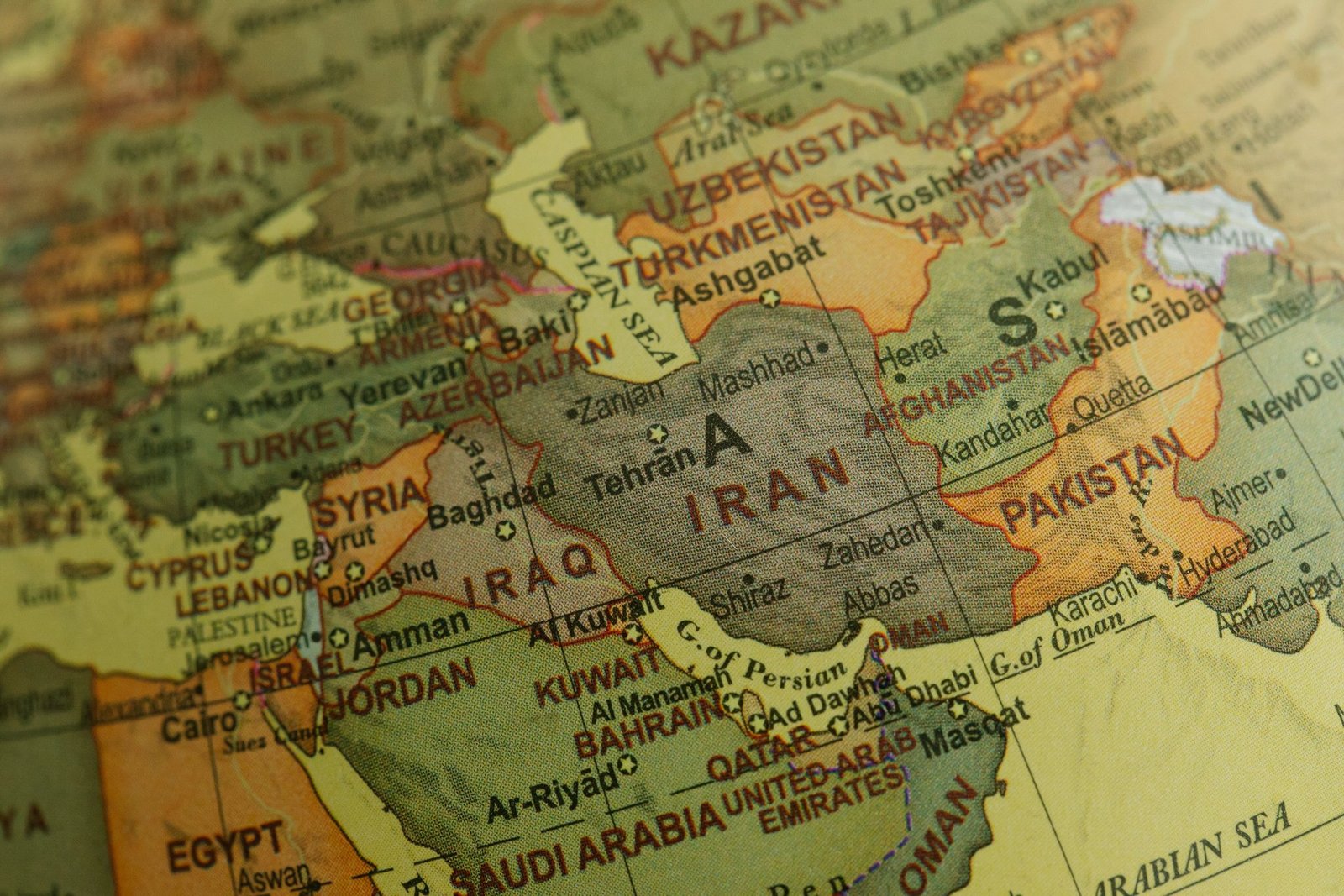
In a significant development amidst ongoing tensions with the United States, Iran has announced plans to create a new maritime exclusion zone near the strategically vital Strait of Hormuz. This exclusion zone is expected to be officially declared in the forthcoming days and weeks, a move that could escalate the already heightened tensions in the region.
Details of the Exclusion Zone
The Iranian authorities have indicated that this newly proposed zone will initiate from the existing line of the U.S. naval blockade. From this point, it will extend toward the Strait of Hormuz, which serves as a critical passage for oil shipments and global trade. The Iranian government aims to ensure that the area from the blockade line will stretch further into the Persian Gulf.
This action appears to be a direct response to what Iran perceives as increasing U.S. military presence and operations in the area, which they argue threaten their national security and sovereignty. By establishing this exclusion zone, Iran is signaling its intent to actively defend its territorial waters against what it views as foreign interference.
Background and Context
The Strait of Hormuz is one of the world’s most crucial waterways, with a significant percentage of the world’s oil supply passing through it. The geopolitical importance of this strait has made it a flashpoint for conflict between Iran and the United States, especially following the U.S. withdrawal from the Iran nuclear deal in 2018. Since then, tensions have consistently flared, with both nations engaging in military posturing and confrontations.
Iran’s decision to establish a maritime exclusion zone can be seen as a strategic maneuver to assert its dominance in the region and deter U.S. naval operations, which it views as provocative. This move aligns with Iran’s broader strategy of reinforcing its maritime claims and protecting its economic interests in the face of external pressures.
Implications of the New Zone
The establishment of this exclusion zone could lead to a series of escalatory actions, potentially increasing the risk of conflict in the region. The U.S. has previously indicated its commitment to maintaining freedom of navigation in the Strait of Hormuz, which means that any enforcement of this exclusion zone by Iran could result in confrontations with U.S. naval forces.
Moreover, the international community is likely to keep a close watch on developments in the area. Oil markets could react sharply to any signs of escalation, given the Strait of Hormuz’s critical role in global oil supply chains. An increase in tensions could lead to higher oil prices and instability in the energy markets.
As Iran prepares to announce this exclusion zone, the world anticipates the potential ripple effects of its implementation. The situation remains fluid, and stakeholders in both regional and global contexts are preparing for the possible ramifications of this strategic decision.