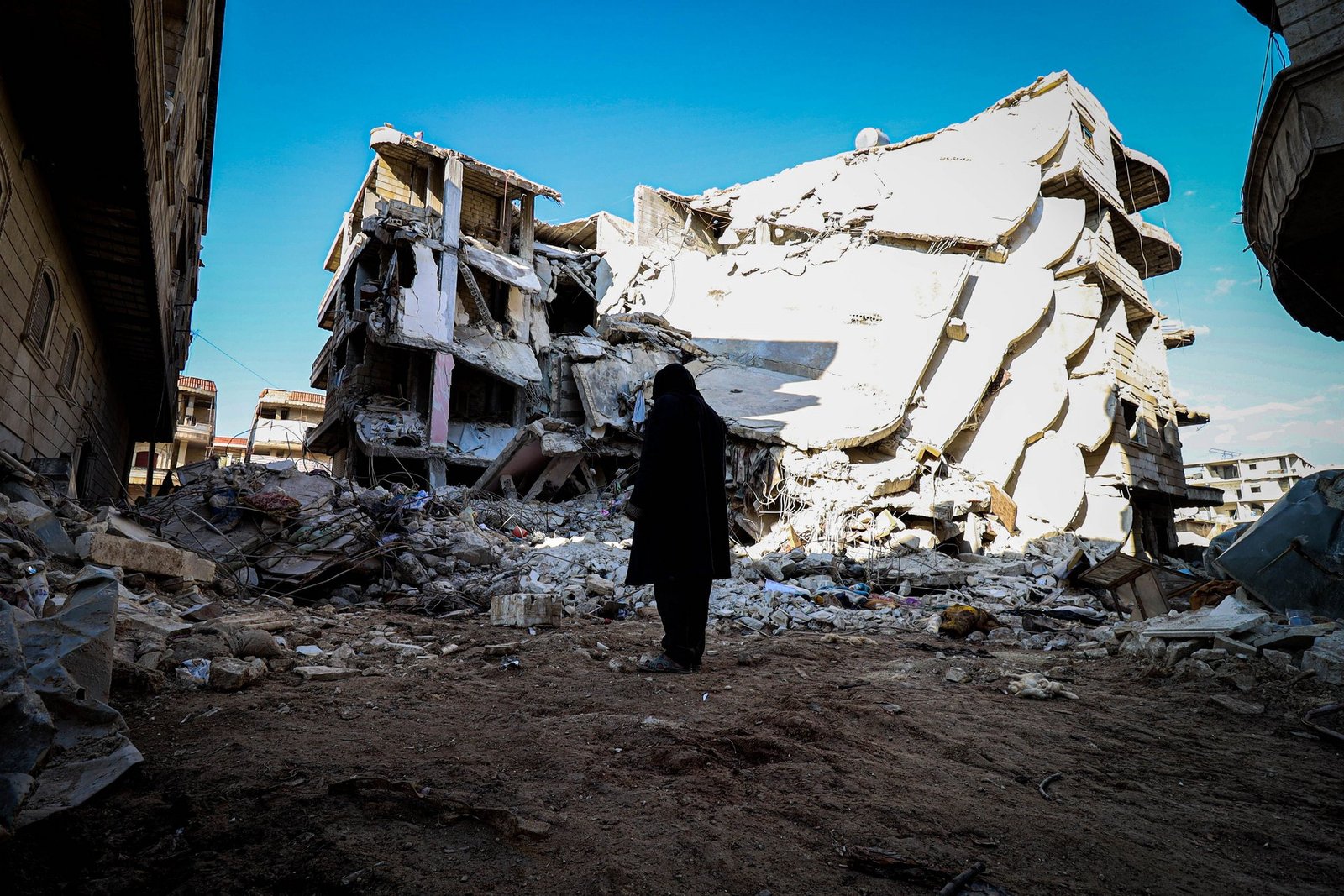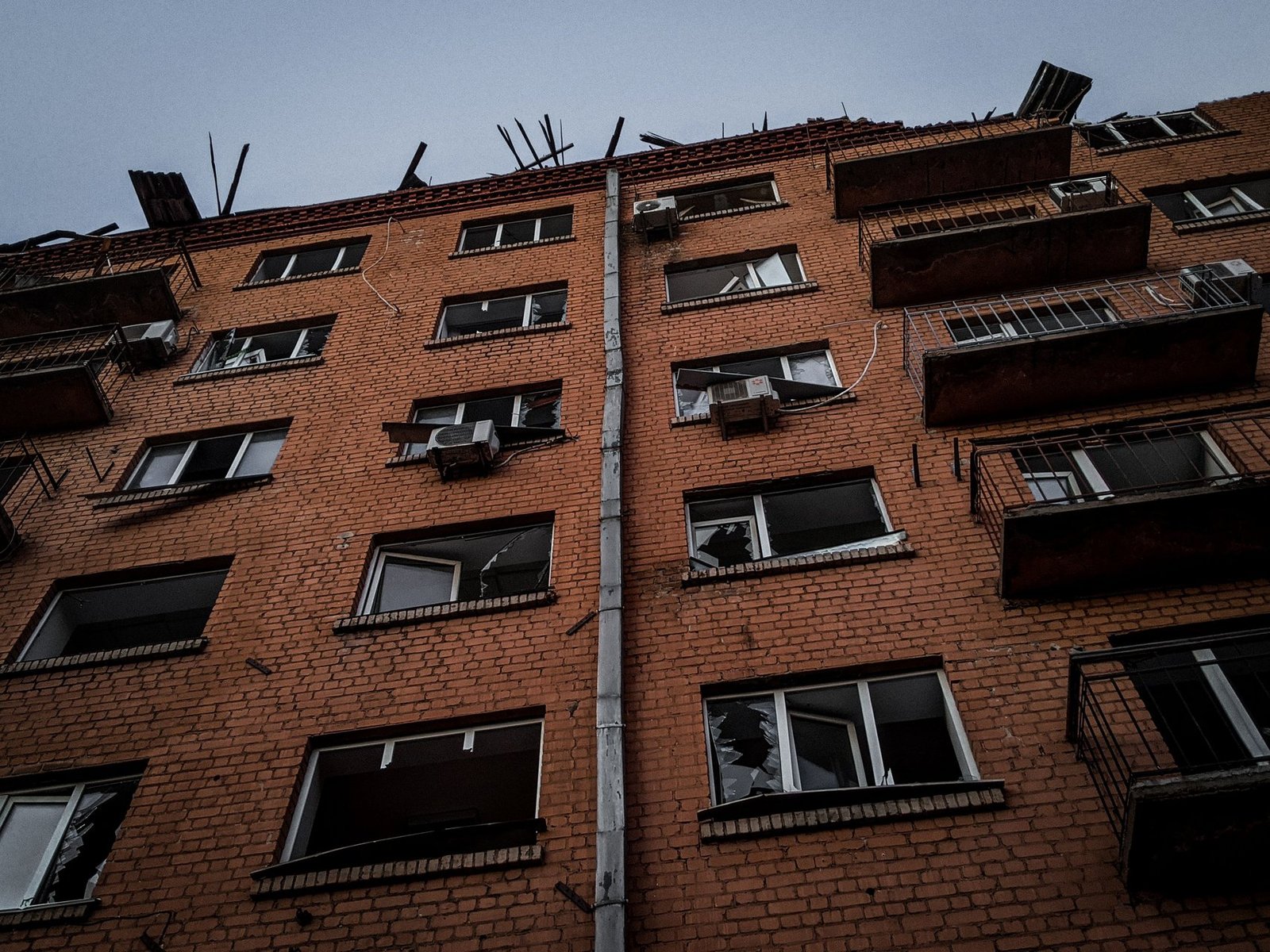
In a solemn remembrance, Nepal observed a national day of mourning on Monday to honor the victims of the catastrophic flash floods that recently struck the country. This occasion marked the conclusion of the traditional 13-day Hindu mourning period, with many Nepalis lighting candles in tribute to those lost.
As flags were displayed at half-mast, the ceremonies were notably subdued, as rescue operations are still underway in the affected areas, with teams tirelessly searching for survivors. Candlelight vigils were scheduled for Monday evening, allowing communities to unite in their grief.
Impact of the Flash Floods
The devastating floods, believed to have resulted from a glacial collapse, have claimed at least 1,287 lives, while the search continues for more than 5,000 individuals who remain unaccounted for nearly two weeks after the disaster. Phanindra Paudel from the National Emergency Operation Centre (NEOC) indicated that no governmental events would take place due to the ongoing rescue efforts in the flooded regions.
President Ram Chandra Paudel visited the impacted areas on Monday, accompanied by aides, to witness the destruction firsthand. The Home Ministry announced that government offices and missions abroad would lower the national flag to commemorate the final day of mourning.
Rescue Efforts Continue
According to Army spokesperson Raja Ram Basnet, rescue operations maintain the same intensity as on the first day, focusing on search and rescue efforts across multiple fronts: on land, by air, and within the tunnels. There is particular concern for individuals who may still be trapped.
Rescue teams are concentrating on tunnels associated with local hydropower facilities, where many workers are among the missing. Arnold Dix, an Australian tunnel rescue specialist advising Nepali teams, highlighted the complexity of the operation, which involves simultaneous rescues in various locations, each presenting its own set of challenges and potential survivors.
Survivor Stories and Ongoing Challenges
In recent days, four individuals have been rescued, three of whom were found in tunnels related to hydropower projects. Notably, a 64-year-old woman was saved from her home in the Nuwakot district, where she had been trapped for over ten days after a massive avalanche of ice, rock, and mud buried her dwelling. She was located alive on the fourth floor and subsequently airlifted to a hospital in Kathmandu.
Meanwhile, rescue efforts across the border in Tibet have yielded tragic results, with twelve bodies recovered by Chinese workers using excavators and ground-penetrating radar. Reports indicate that at least 5,083 individuals are still missing in Nepal, while the death toll in Tibet has reached 31, with 531 people still unaccounted for.