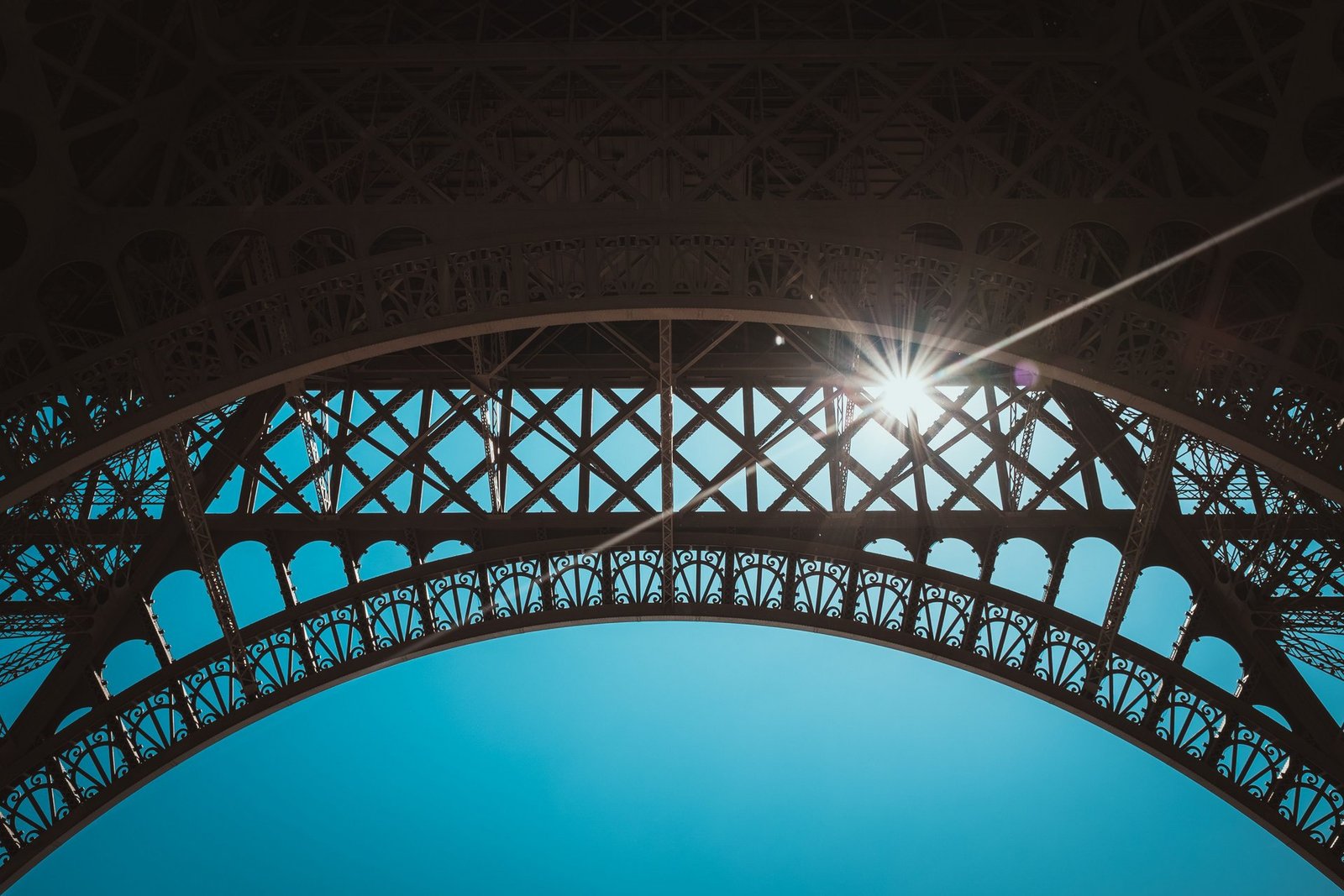
The iconic Eiffel Tower in Paris experienced an unexpected closure following a protest that coincided with a significant cultural event for the Hindu community. The Hindu group, which recently inaugurated its first major temple in France, had organized a visit to the landmark, prompting concerns from some quarters that led to the protest.
Background of the Event
This past Sunday marked a historic occasion as a Hindu group consecrated its first substantial temple in the vicinity of Paris. This ceremony not only reflects the growing presence of Hindu culture in France but also highlights the community’s efforts to establish a place of worship that resonates with their traditions and beliefs.
The temple’s inauguration has been a point of pride for many within the Hindu community, symbolizing their cultural heritage and commitment to fostering community ties in a foreign land. However, the timing of the temple’s consecration coincided with a scheduled visit to the Eiffel Tower, leading to a series of events that would culminate in the monument’s closure.
Protest and Its Aftermath
As news of the Hindu group’s visit spread, a protest emerged, primarily driven by concerns regarding the perceived sidelining of women staff members at the Eiffel Tower during this event. The protestors voiced their discontent regarding the handling of the situation, leading to heightened tensions and prompting the management of the Eiffel Tower to take the precautionary step of closing the landmark.
In the aftermath of the protest, the Hindu group released a statement acknowledging the concerns raised by the demonstrators. They emphasized their respect for the issues highlighted and assured that they take these matters seriously. This response indicates a willingness to engage with the broader community and address any misconceptions or grievances that may have arisen from their activities.
Significance and Future Implications
The closure of the Eiffel Tower, a symbol of France’s rich history and culture, underscores the complex interplay between cultural events and social issues such as gender equality. The incident reflects not only the challenges faced by immigrant communities in establishing their cultural identities but also the importance of dialogue and understanding in multicultural settings.
As the Hindu community continues to grow in France, it may face further scrutiny and challenges as they seek to integrate their traditions into the fabric of French society. The dialogue initiated through this protest could serve as an opportunity for the community to engage with various stakeholders to foster greater understanding and promote inclusivity.
Looking ahead, it remains to be seen how both the Eiffel Tower management and the Hindu group will navigate the aftermath of this incident. With ongoing discussions about gender equality and cultural representation, the implications of this protest may resonate well beyond the immediate events, potentially influencing future interactions between diverse cultural groups within France.