The call for a comprehensive disarmament initiative in Manipur is gaining momentum as local leaders and citizens advocate for an end to the armed activities that have escalated tensions in the region. The discussion has centered around the need for a decisive and impartial approach to address unlawful armed groups operating within the state.
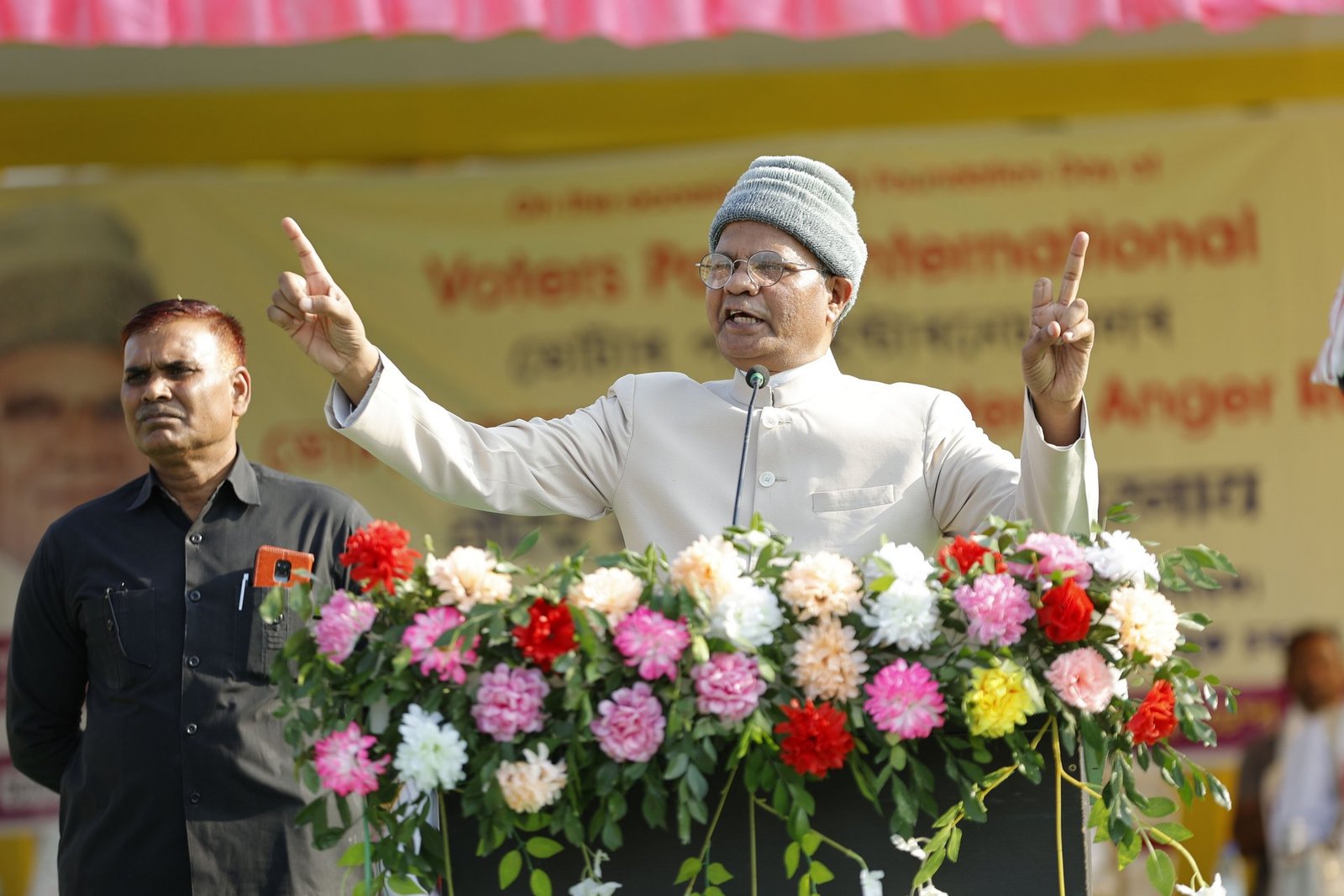
Rajkumar Imo Singh, a Member of the Legislative Assembly representing the Bharatiya Janata Party (BJP), emphasized the importance of taking firm action against these unlawful armed elements. He stated that any measures should be unbiased and aimed specifically at holding accountable those individuals or groups responsible for perpetuating violence, regardless of their community, identity, or affiliations.
Background of Armed Conflicts in Manipur
Manipur, located in northeastern India, has a long history of ethnic strife and violence, with various armed groups vying for power and influence. This ongoing conflict has not only led to loss of lives but has also disrupted the peace and stability of the region, affecting the daily lives of its residents.
The proliferation of armed groups in Manipur has created a complex landscape, where multiple factions operate often with conflicting objectives. The situation has been exacerbated by deep-rooted ethnic divisions and a lack of effective governance. Many community leaders are now recognizing the urgent need for a united front against this rampant violence.
The Importance of Impartial Action
Singh’s assertion that action must be impartial underscores a critical aspect of the disarmament debate. There is a growing concern that any targeted actions against armed groups could be perceived as biased, potentially inflaming tensions among different communities. The MLA’s perspective advocates for a fair approach that focuses solely on the unlawful nature of the armed activities rather than the identities of the groups involved.
This approach is seen as essential to restoring trust in the government and law enforcement agencies, which have often been accused of favoritism in handling conflicts. By promoting a framework that prioritizes justice and accountability, there is hope that communities can begin to heal and rebuild.
Next Steps for Disarmament in Manipur
As calls for ‘Operation Manipur’ grow louder, the next steps involve not only implementing disarmament strategies but also fostering dialogue among the various stakeholders involved. Engaging with community leaders, civil society organizations, and even the armed groups themselves could pave the way for a more peaceful resolution.
Furthermore, the role of the state and central government will be pivotal in ensuring that any disarmament initiative is effectively managed and that there are adequate support systems in place for rehabilitation of former combatants. This could include economic opportunities and social integration programs aimed at addressing the root causes of conflict.
The path ahead is fraught with challenges, yet the increasing advocacy for disarmament marks a significant shift towards addressing the ongoing violence in Manipur. Continuous efforts towards impartial and fair action will be crucial in achieving lasting peace and stability in the region.
Source: NDTV India