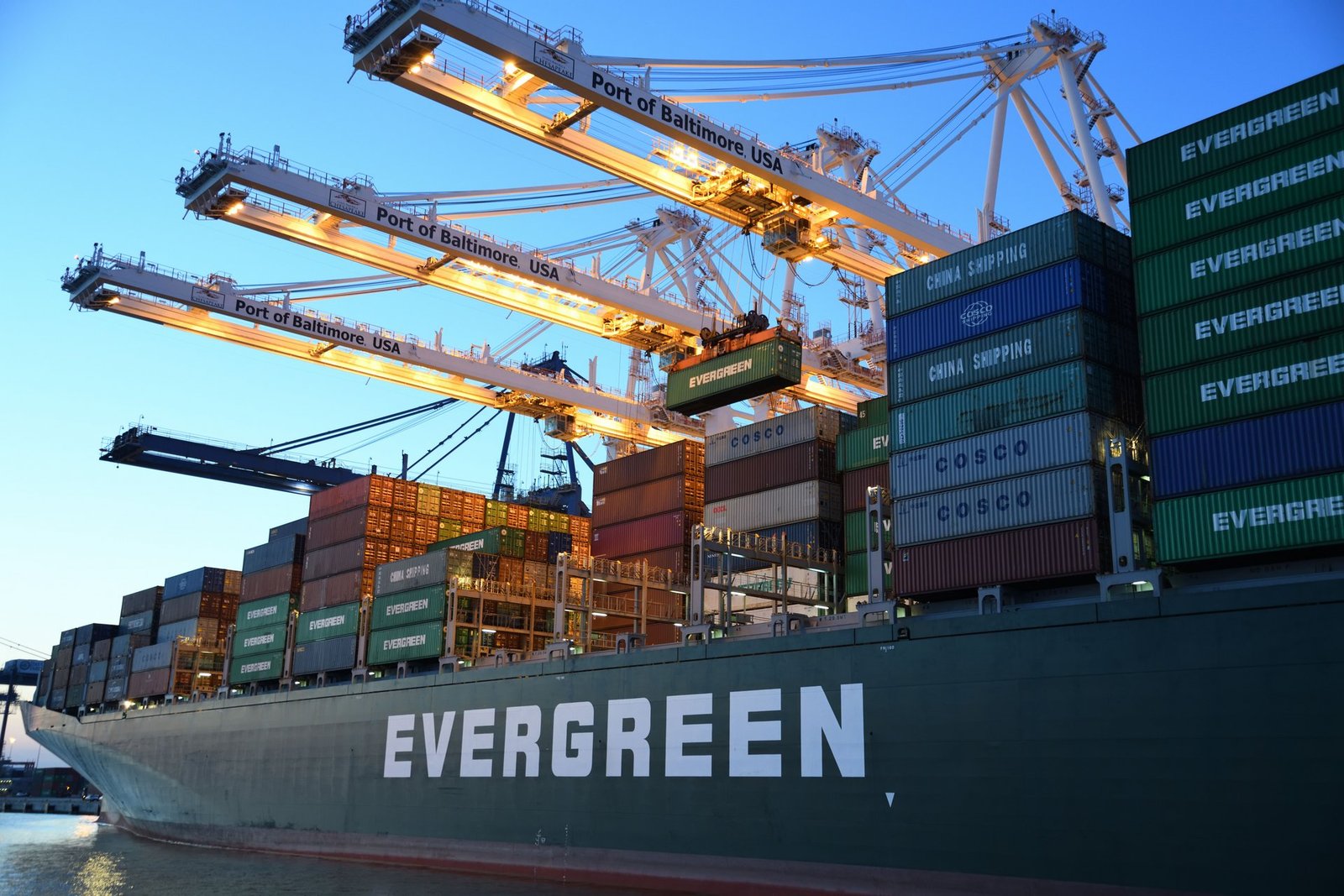
In a significant development in U.S.-Iran relations, Secretary of State Marco Rubio announced on Tuesday that the United States plans to persist in its confrontational stance against Iranian tankers. This declaration comes in the wake of U.S. military actions that have already resulted in strikes against five vessels linked to Iran.
Background of the Situation
The ongoing tensions between the United States and Iran have long been a point of concern in international relations, particularly in the context of maritime security in the Gulf region. Over the years, the U.S. has accused Iran of engaging in various hostile activities, including the disruption of shipping lanes, which are crucial for global oil supply.
Rubio’s remarks underline a growing frustration within the U.S. government regarding Iran’s actions and their implications for regional stability. The U.S. has historically taken a hardline approach, especially following incidents that have threatened the safety of maritime navigation.
Implications of U.S. Actions
The targeting of Iranian tankers is viewed as a direct response to perceived threats against U.S. interests and allies in the region. By committing to continue these strikes, the U.S. aims to deter Iran from further aggressive maneuvers that could escalate into broader conflict.
Experts suggest that this strategy may lead to increased tensions in the region, prompting Iran to react decisively. Such a cycle of retaliation could have severe repercussions, not only for U.S.-Iran relations but also for global oil markets, which are sensitive to disruptions in supply.
What Lies Ahead
As the U.S. moves forward with this aggressive stance, the international community will be closely monitoring developments. The potential for further military actions looms large, and diplomatic channels may struggle to gain traction amidst escalating tensions.
In the coming weeks, it will be crucial to observe how Iran responds to these U.S. actions. Any retaliatory measures could provoke additional military responses, leading to a precarious situation that could affect not only regional stability but also global economic conditions.
The situation remains fluid, and the U.S. government’s commitment to continue its campaign against Iranian tankers signals that this confrontation is far from over.