In response to escalating geopolitical tensions, particularly in the Strait of Hormuz, the United States military has significantly stepped up its investment in unmanned naval systems. This strategic move comes as the U.S. seeks to enhance its capabilities in monitoring vast oceanic expanses, gathering critical intelligence, and tracking the movements of potential adversaries, including ships and submarines.
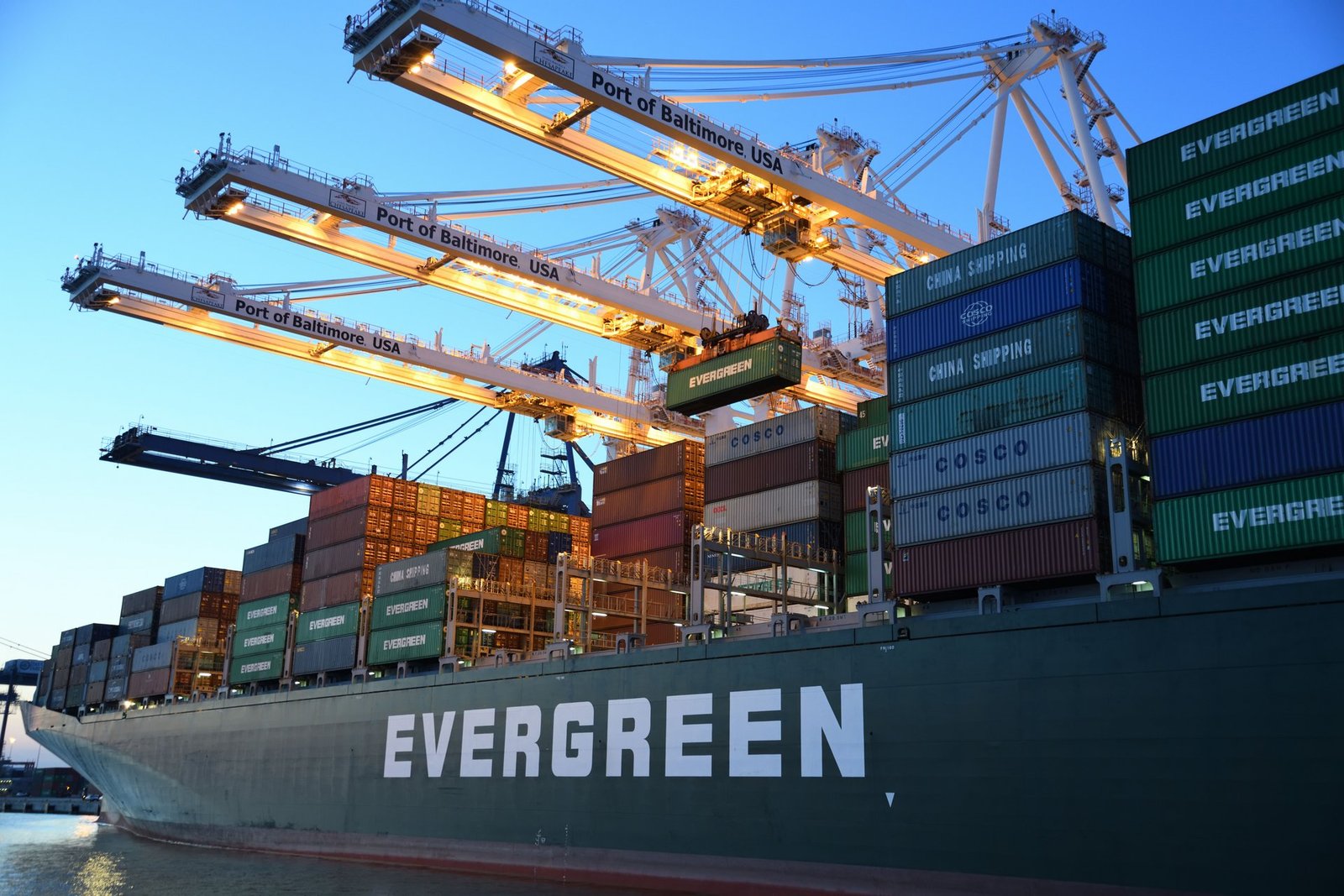
The Strait of Hormuz, a vital waterway for global oil transportation, has been a focal point of military concerns due to recent incidents involving oil tankers. The U.S. military’s efforts reflect a broader strategy to ensure maritime security in regions prone to conflict and disruption.
Unmanned naval systems, which encompass both underwater and surface vessels, offer a cost-effective alternative to traditional manned ships. These technologies enable the U.S. to maintain a persistent presence in key maritime areas without the substantial costs associated with deploying crewed vessels. By utilizing these advanced systems, the military can enhance situational awareness and respond more effectively to threats.
Strategic Implications of Unmanned Naval Investments
The investment in unmanned systems is not merely a technological upgrade; it represents a shift in military strategy that acknowledges the changing dynamics of modern warfare. As adversaries develop increasingly sophisticated naval capabilities, the need for the U.S. to adapt becomes crucial. Unmanned vessels can perform reconnaissance missions, gather intelligence, and conduct surveillance operations, allowing for greater operational flexibility.
Additionally, unmanned systems can operate in high-risk areas where manned vessels might be vulnerable to attack. This capability is particularly pertinent in regions like the Strait of Hormuz, where tensions with Iran and other regional actors have resulted in a complex security environment. By leveraging unmanned technology, the U.S. aims to mitigate risks while maintaining its strategic interests.
Future Directions and Enhancements in Naval Technology
The U.S. military’s focus on unmanned systems is expected to drive further innovations in naval technology. As these systems evolve, they will likely incorporate advanced sensors, artificial intelligence, and enhanced communication capabilities. This integration will not only improve operational efficiency but also enable the military to make informed decisions in real-time.
Moreover, the ongoing development of unmanned naval systems aligns with the U.S. Department of Defense’s broader objectives of modernizing its forces to address 21st-century security challenges. As adversaries continue to invest in their naval capabilities, the U.S. is committed to maintaining its competitive edge through technological advancements.
In conclusion, the U.S. military’s increased investment in unmanned naval systems signals a proactive approach in safeguarding maritime interests amid rising tensions in strategic waterways. As the military continues to innovate and adapt, it will be better positioned to respond to threats and ensure the stability of critical maritime routes.