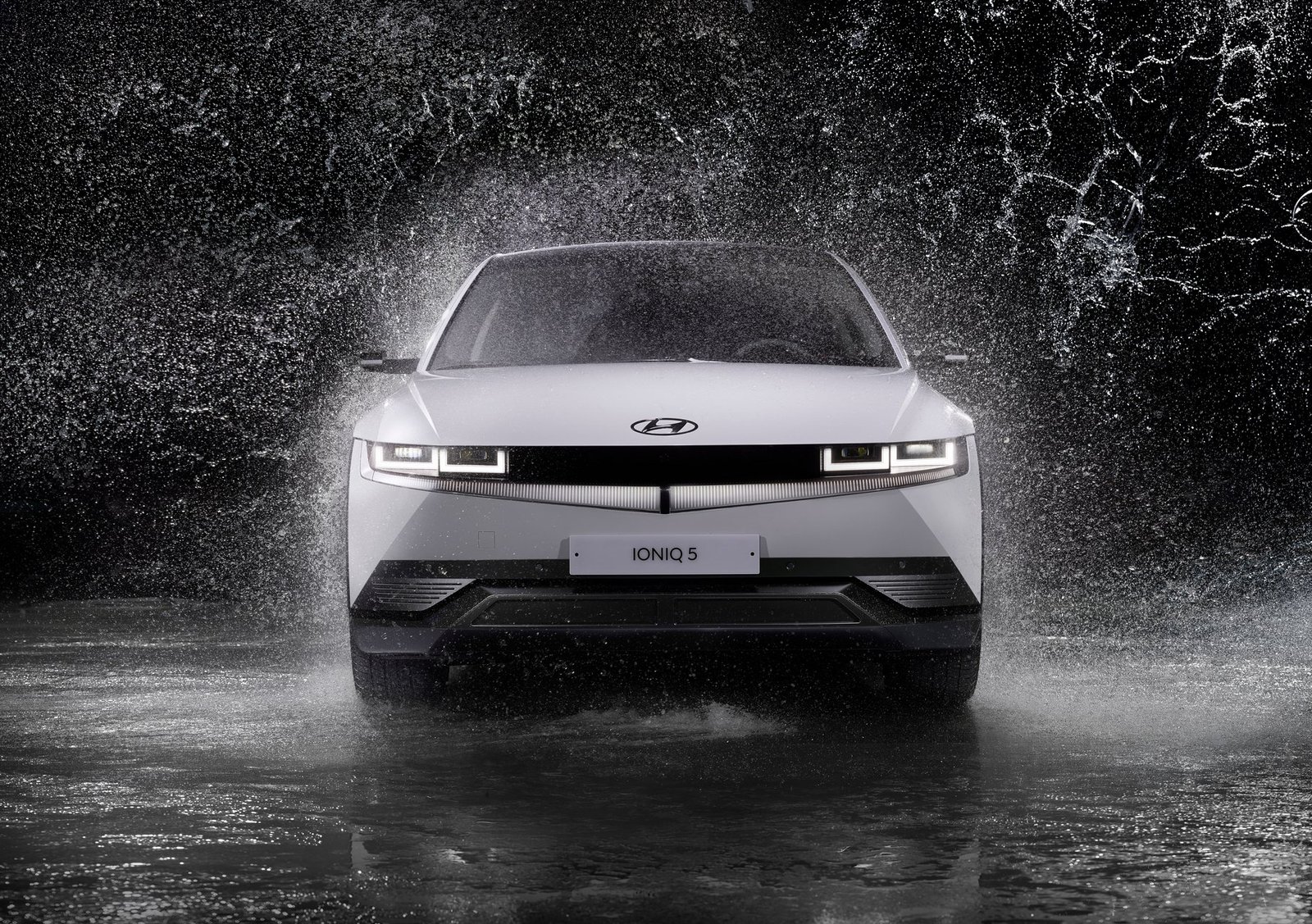
Hyundai Motor Company is preparing to introduce a compact electric SUV designed specifically for the Indian market, which is expected to be named the Ioniq P. This new model aims to expand Hyundai’s well-known Ioniq brand into a more budget-friendly segment, catering to a broader audience in India.
During a recent earnings conference call held on October 29, 2026, Hyundai management outlined their regional strategies, confirming that the Ioniq P will follow the launch of the Bayon model. Although Hyundai Motor India has yet to officially confirm the name, the management’s statements hinted at its connection to the HE1i project, the internal codename for the upcoming vehicle.
The Ioniq P is intended to play a pivotal role in enhancing Hyundai’s position in the electric vehicle (EV) market, particularly as sales of electric passenger vehicles in India have surged nearly 90% in the fiscal year 2027. This significant growth underscores the necessity for a competitively priced electric SUV in Hyundai’s offerings. Tarun Garg, managing director of Hyundai Motor India, indicated that the company is focused on increasing its EV market share to align more closely with the industry average by the fiscal year 2028, spearheaded by this new mass-market electric model.
Market Position and Future Plans
While Hyundai has not shared specific sales targets for the Ioniq P, this vehicle will be positioned below the Creta Electric in their lineup, thereby enhancing the company’s presence in the electric SUV sector. Reports from Autocar India suggest that the Ioniq P is set to make its debut in January 2027, slightly later than the previously anticipated timeline of late 2026.
Hyundai has recently noted that sales of the Creta Electric have doubled, although specific figures and the time frame for this increase have not been disclosed. The introduction of a smaller electric SUV like the Ioniq P is expected to bolster this upward trend.
Furthermore, the Creta Electric has received approval under the government’s production-linked incentive (PLI) scheme, and Hyundai has also applied for similar approval for the new compact electric SUV, anticipating a quick response. Initially, the Ioniq P will utilize imported battery cells while plans to source locally made cells through a partnership with Exide Industries have faced delays, pushing local production to a later phase.
Commitment to Localisation and Investment
Hyundai has reaffirmed its commitment to investing $15.5 billion in India, with a clear focus on increasing localization efforts, including the production of battery cells. Currently, local content in Hyundai’s vehicles stands at approximately 81%, with the goal to elevate this to 92% over time.
Establishing a reliable local supply of battery cells is essential for controlling costs and minimizing reliance on imports as production volumes rise. This strategy will not only support the growth of Hyundai’s electric vehicle range but also contribute to the overall development of the EV ecosystem in India.
Source: Autocar India