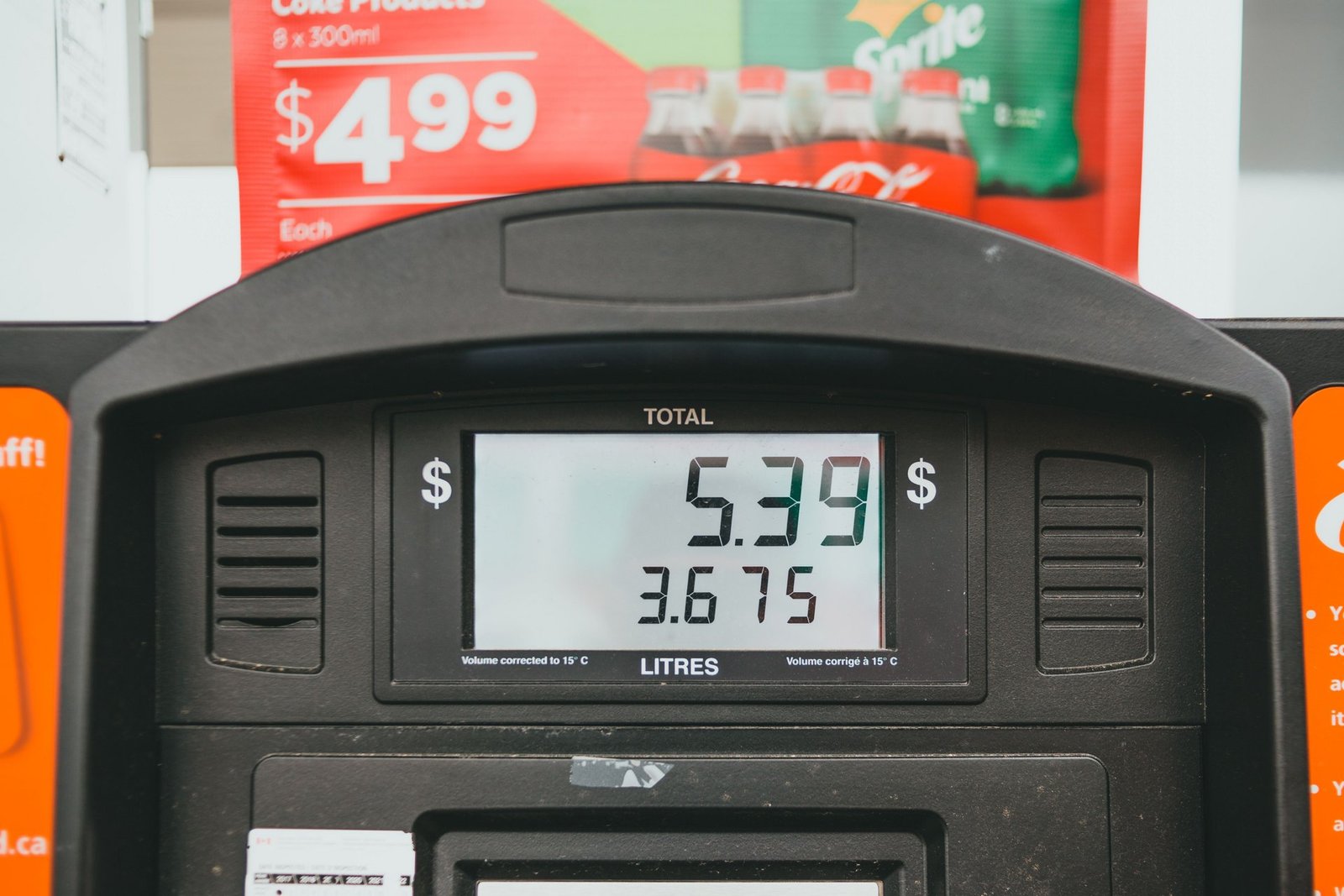
The government has announced an increase in fuel prices, raising petrol by Rs3.40 per litre and high-speed diesel by Rs6.72 per litre. This adjustment means that petrol will now be sold at Rs367.75 per litre, while the price of high-speed diesel will reach Rs392.67 per litre.
This price revision comes with the continued imposition of substantial taxes, which remain at Rs114 per litre for petrol and Rs100 per litre for diesel. The updated prices will officially take effect on September 10, a Thursday, as per a notice from the Petroleum Division.
High-speed diesel prices have seen a decline from their previous high of Rs520.35 recorded on April 3. The surge in prices began with the onset of the US-Iran conflict on February 28, where diesel prices rose from Rs281 per litre.
Petrol Price Trends and Government Measures
Petrol prices also reached significant highs, peaking at Rs458.41 on April 3 after starting from Rs266 in early March. The fluctuations in fuel prices have led to changes in government policy, with Petroleum Minister Ali Pervaiz Malik announcing on July 17 that prices would now be adjusted daily to reflect international market changes, particularly due to ongoing tensions between the US and Iran.
Before this shift, the government had been implementing weekly price adjustments since early March. These changes were part of broader measures aimed at conserving fuel amid potential supply disruptions stemming from the Middle Eastern conflict. In April, the federal government also introduced targeted relief measures to offer subsidized fuel to the public.
According to the petroleum minister, the cabinet and the prime minister have entrusted the Oil and Gas Regulatory Authority (Ogra) with the responsibility of determining fuel prices daily based on international market trends.
Impact on Consumers and Revenue Generation
The adjustments in petrol prices primarily affect private transport users, including small vehicles, rickshaws, and two-wheelers, which predominantly serve the middle and lower-middle classes. Likewise, diesel price fluctuations impact a broader segment of the population, as diesel is widely utilized in heavy transport, power generation, and large generators.
Notably, petrol and high-speed diesel are significant contributors to government revenue, with monthly sales averaging between 700,000 to 800,000 tonnes, in stark contrast to the mere 10,000 tonnes for kerosene. This highlights the critical importance of these fuel sources in the national economy.