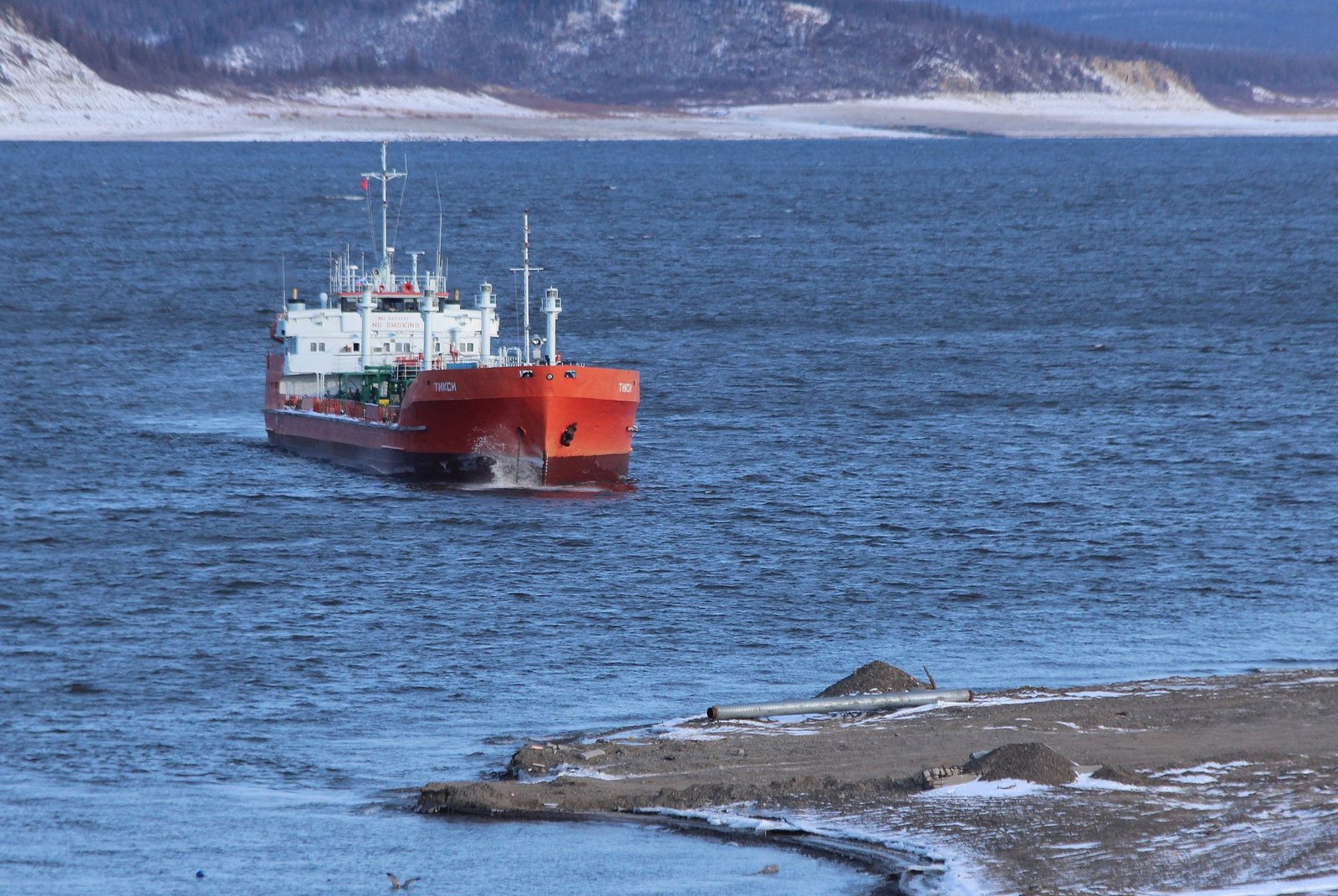
In a remarkable development in global shipping, the Chinese cargo vessel Dubai Tower has successfully completed a journey from Qingdao, China, to Teesport, England, in just three weeks. This voyage, which spans around 575 feet in length, marks a significant reduction in transit time compared to last winter’s journey, which lasted 36 days when the ship took a traditional route through the Middle East.
Significance of the Arctic Route
The successful navigation of the Arctic route by the Dubai Tower highlights the evolving dynamics of maritime shipping. Traditionally, vessels have preferred longer routes, primarily through the Suez Canal and the Middle Eastern waterways, due to their established safety and logistics. However, the Arctic route presents a new, faster alternative that could reshape global shipping patterns.
As climate change continues to impact ice coverage in the Arctic, these waters are becoming increasingly navigable during summer months. The ability to traverse this route not only saves time but also reduces fuel consumption and associated shipping costs. This efficiency could make Arctic passages a preferred choice for shipping companies looking to optimize their operations.
Implications for International Trade
The implications of this shift are significant for international trade. The reduction in travel time could enhance supply chain responsiveness for businesses that rely on timely deliveries from Asia to Europe. With the potential for more ships to begin using this route, European markets could see a change in their import dynamics, affecting everything from pricing to inventory management.
Furthermore, as more vessels adopt the Arctic route, it raises questions about the environmental impact and the sustainability of increased shipping traffic in these fragile ecosystems. Environmentalists have long warned about the risks associated with melting ice and the subsequent exploitation of Arctic resources. This trend could lead to heightened scrutiny and regulation of shipping activities in the region.
Looking Ahead: What This Means for Shipping Companies
For shipping companies, the successful voyage of the Dubai Tower serves as a case study in the viability of Arctic navigation. As operational practices evolve, companies may need to adapt their strategies to incorporate this new route into their logistics planning. This could involve re-evaluating shipping schedules, routes, and partnerships in the face of changing maritime landscapes.
Moreover, the trend indicates a possible increase in competition among shipping lines as they seek to capitalize on the advantages offered by the Arctic route. Companies that can efficiently navigate these waters may gain a competitive edge, potentially reshaping market shares and altering pricing structures in the shipping industry.
Conclusion
The journey of the Dubai Tower is more than a simple maritime milestone; it symbolizes the potential for significant shifts in global shipping practices driven by changing environmental conditions and economic considerations. As Arctic passages become more accessible, stakeholders in the shipping industry must weigh the benefits of reduced travel times against the environmental and regulatory challenges that accompany such changes.