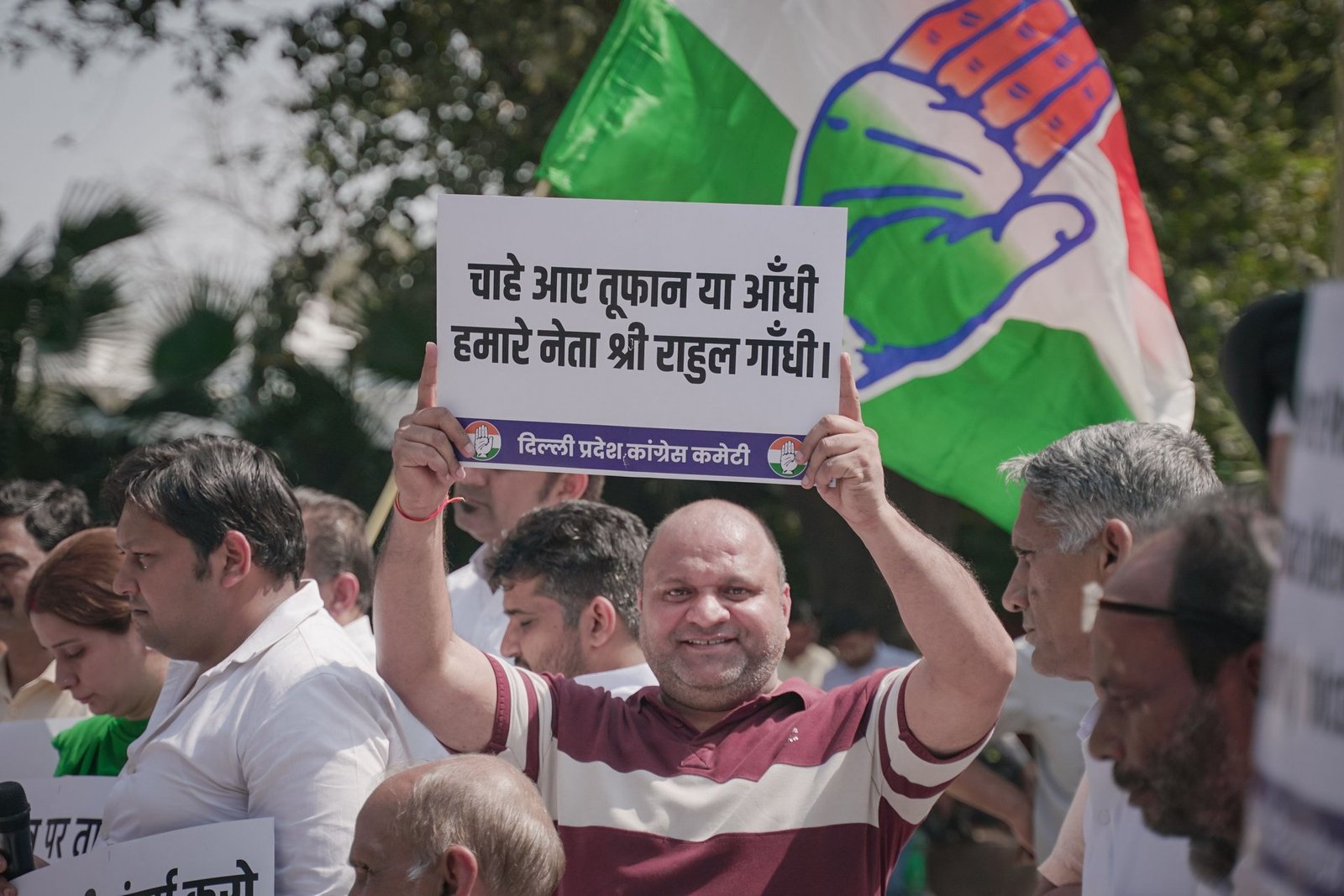
In a significant political move, Rahul Gandhi has sharply criticized the Indian government regarding its approach to Unified Payments Interface (UPI) transaction fees. His comments come in light of recent directives aimed at regulating the charges associated with UPI transactions, particularly those under Rs 2,000, as well as payments made via RuPay debit cards.
Government Directives on UPI Charges
The backdrop to Gandhi’s remarks lies in the government’s recent instruction to banks and payment system providers. This directive explicitly prohibits these financial institutions from imposing any charges on UPI transactions that are equal to or less than Rs 2,000. Additionally, the government has similarly mandated that no fees should be levied on payments conducted through RuPay debit cards, which are widely used across the country.
This move is perceived as an effort to maintain the affordability and accessibility of digital payment systems in India, particularly for everyday transactions. UPI has revolutionized the way people conduct transactions, enabling quick and seamless payments. By ensuring that small transactions remain free from additional charges, the government aims to promote digital transactions among the general populace.
Rahul Gandhi’s Opposition
Despite the government’s intentions, Rahul Gandhi has voiced concerns about the potential for future imposition of fees. He argues that these directives may be a precursor to more significant charges being levied on UPI transactions in the future, which could burden consumers and hinder the widespread adoption of digital payments.
Gandhi’s criticism highlights the ongoing debate surrounding the accessibility and fairness of digital payment solutions in India. He emphasizes that any move towards imposing fees could disproportionately affect lower-income individuals, who rely on UPI for daily transactions. His stance points to a broader concern about financial inclusion and the potential barriers that transaction fees could create.
Implications for Consumers and the Digital Economy
The implications of Gandhi’s statements and the government’s directives are significant for consumers and the digital economy at large. Keeping UPI transactions fee-free for small amounts is crucial for encouraging users to adopt digital payment methods, especially in a country where cash transactions have historically been the norm.
As digital transactions continue to rise, the government’s current stance may serve to bolster public trust and confidence in digital payment systems. However, the potential for future fees raises questions about the sustainability of such initiatives and whether the government can maintain its commitment to a fee-free payment ecosystem.
Looking Ahead
As the discourse around UPI transaction fees develops, it will be essential to monitor how the government balances the need for regulation with the goal of promoting financial inclusion. The evolving landscape of digital payments in India indicates that further discussions and decisions will likely emerge in the coming months.
Both the government and opposition leaders like Rahul Gandhi will play pivotal roles in shaping the future of digital transactions. Ensuring that the benefits of digital payments extend to all segments of society will be a critical aspect of this ongoing conversation.